


 White House Bars CNN, MS NOW and Politico Reporters
  Burnham Eyes UK Leadership Role in AI Ahead of Trump Meeting
  MediaTek Unveils 2nm Dimensity 9600 Pro AI Chip
  Hyundai CEO Warns Chinese Automakers Could Disrupt US Market
  France Urges Faster AI Push Despite Safety Risks
  Prysmian, Rio Tinto Supply Low-Carbon Cables for Amazon Ohio Data Center
  Trump Plans Federal AI Force and AI Czar
  Databricks to Invest $350 Million in Singapore AI Expansion
  LVMH-Hermès Dispute Deepens Over Secret 2002 Share Deal
  Petrobras Joins Brazil’s New Diesel Subsidy Program
  SpaceX Nasdaq 100 Weight to More Than Double in Rebalance
  NASA, Boeing Discuss Expanding Starliner Missions
  Meta CEO Zuckerberg Backs Independent AI Safety Reviews Over Development Slowdown
  Qualcomm Gains on $60B Amazon AI Chip Deal
  Big AI wants to slow down AI research. Is it a safety pause or a strategic retreat?
  SK Hynix, Intel Discuss U.S. Memory Chip Production Deal
  US Federal Register Drops Alibaba Qwen AI Search Tool


 Add as a preferred source on Google
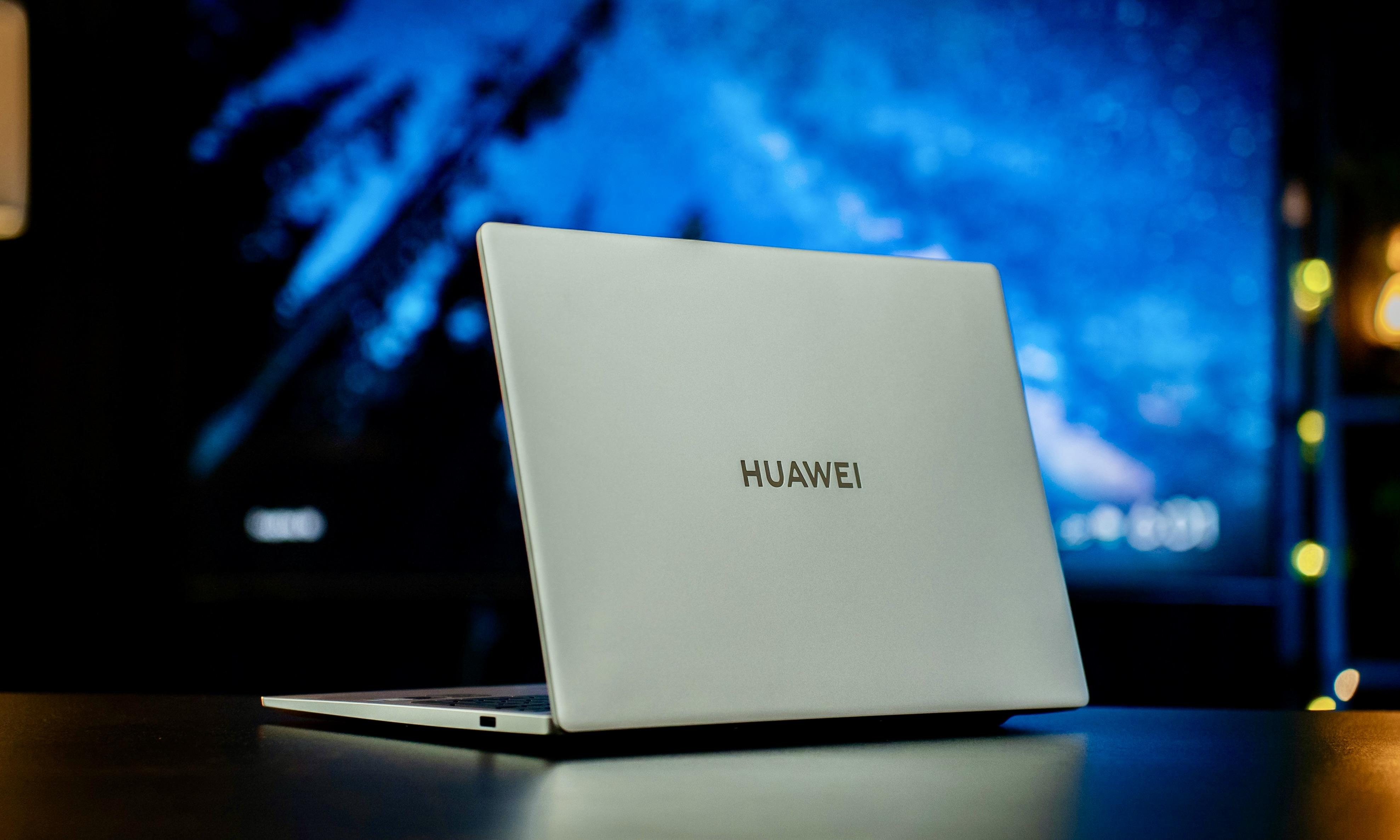
Huawei plans to replace Windows in China with its new HarmonyOS, further distancing itself from Android.
HarmonyOS NEXT for Phones, Watches, and Tablets
It is Huawei's goal to create devices that do not rely on third-party components or operating systems. At this point, HarmonyOS NEXT has reserved the section for phones, watches, and tablets. It appears that Huawei is now planning to displace Windows from China, following Android's lead.
It appears that the Chinese IT behemoth is preparing to launch a PC software system called HarmonyOS, which will compete with Windows and MacOS. Huawei Central provides a high-level overview of Huawei's new operating system voyage in the home ground before we go into the details.
A genuine operating system, HarmonyOS NEXT, was unveiled by Huawei at the beginning of this year. So, to be "genuine," an operating system must not have any Android or other parts developed in the United States. The goal is to defy the original region's regulations regarding foreign operating system platforms.
Eliminating Android and Linux Code
According to the official details, Huawei seeded its new operating system with self-developed components and erased all source code relating to Android or Linux.
The Pangu AI model, ArkUI-X, HarmonyOS Design, MindSpore AI Framework, Ark Compiler, Cangjie language, DevEco Studio, and Harmony kernel are the foundational pieces of HarmonyOS NEXT, which is three times more efficient than Linux.
On top of that, Huawei abandoned the Android Open Source Project for its own OS design. That is to say, going forward, HarmonyOS NEXT will not be able to offer apps that are compatible with Google or Android. However, Huawei devices' performance will be enhanced.
Huawei has teamed up with other app developers, so the project is already underway. Native app versions based on HarmonyOS started to replace many of the Android alternatives. On July 26, the business will also unveil a few of the gaming applications.
Some other examples of apps include WeChat, which is similar to Facebook, Instagram, and WhatsApp but in Chinese, Bilibili, Taobao, Yiche, and many more. As a result, the corporation is now more powerful and autonomous in China, thanks to the U.S. sanctions.
HarmonyOS PC Rumored for 2024 Release
Additionally, the Chinese OEM is developing computer-specific software called HarmonyOS PC in addition to HarmonyOS NEXT. An executive from Huawei, Wang Chenglu, said last year that the company is working on new PC software that could be released in 2024.
As per TechRadar, the new PC software is rumored to be released this year. Despite the fact that this has not been announced by the corporation yet. However, new information suggests that Huawei may launch the HarmonyOS PC in the near future.
According to rumors, the HarmonyOS PC UI layout is shown in a few photos on the official Huawei Developer website. In general, the PC interface looks very much like macOS. The efficiency and spare design, meanwhile, appear to be more effective than Windows.
The disclosure brings attention to numerous other PC applications, including audio, video, social media, and networking. The layout looks roomy, and the functions are simple to use.
Huawei has the unwavering support of the Chinese government as it continues to advance its HarmonyOS ecosystem. With the introduction of HarmonyOS NEXT, a stable version, which is expected in the fourth quarter of this year, maybe we will see some progress on this front.







