


 US Federal Register Drops Alibaba Qwen AI Search Tool
  Databricks to Invest $350 Million in Singapore AI Expansion
  Volkswagen Shares Slide After 2026 Profit Outlook Cut
  US Northeast Airports Resume Operations After Telecom Outage Disrupts Thousands of Flights
  Allegro Raises 2026 Outlook as International GMV Surges
  Burnham Eyes UK Leadership Role in AI Ahead of Trump Meeting
  Guterres Urges Stronger Global AI Safeguards Ahead of UN Assembly
  SoftBank Shares Jump 8% as SB Energy IPO Optimism Builds
  Supertanker Orders Surge as US-Iran War Reshapes Oil Trade
  SpaceX Nasdaq 100 Weight to More Than Double in Rebalance
  Telix to Acquire Germany’s ITM in $1.65 Billion Radiopharma Deal
  CNN, MS NOW and Politico Sue Trump Over White House Media Ban
  FAA Allows Boeing to Sell 35 More 777F Freighters Beyond 2028
  Prysmian, Rio Tinto Supply Low-Carbon Cables for Amazon Ohio Data Center
  Trump Plans Federal AI Force and AI Czar
  Paramount Skydance Faces $30 Million Film Penalty in Warner Bros. Deal
  Hyundai CEO Warns Chinese Automakers Could Disrupt US Market


 Add as a preferred source on Google
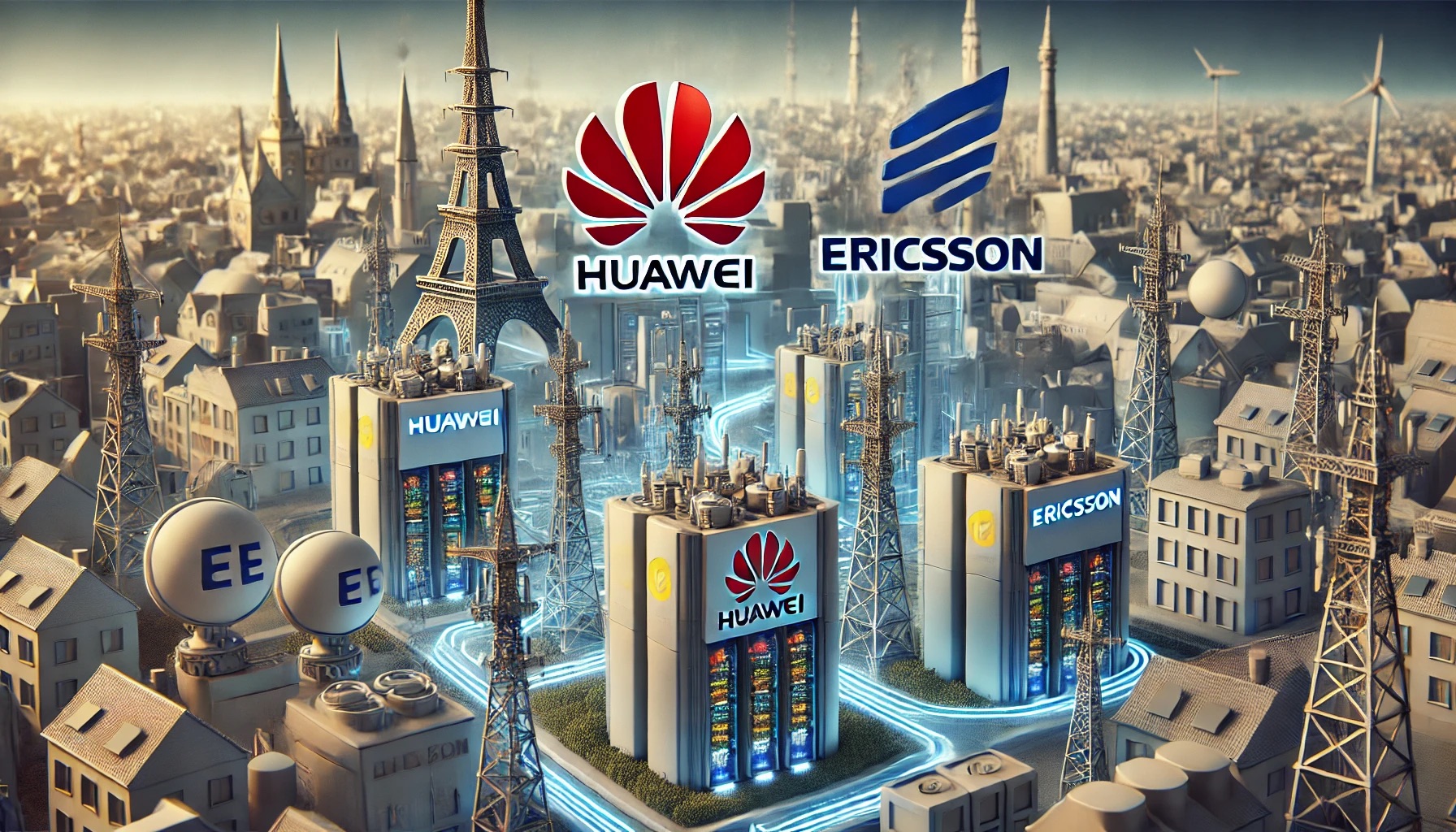
Despite US and EU bans, Huawei remains a formidable competitor for Ericsson in Europe, impacting market shares and revenue.
Bans Fail to Stifle Huawei's Growth
Huawei is a significant competitor in Europe for Ericsson, even though the company's network equipment is banned in the US and EU. The impact of Huawei's withdrawal from the overseas network core on its competitors is outlined in a new report.
There are still countries who are considering banning Huawei network equipment. This line-up includes Germany in the most current one, LightReading shares. No matter what, Ericsson and other companies in Europe still see Huawei as a competitor.
Ericsson CEO Highlights Market Challenges
According to Ericsson CEO Börje Ekholm, Chinese IT giants like ZTE and Huawei continue to pose a threat in the region. During a conference with analysts, the executive shares these and other details about his quarterly sales revenue.
In Latin America and Europe, we are witnessing a dramatic uptick in competition from Chinese suppliers. "It is not true that Chinese vendors have disappeared," Börje Ekholm stated, adding that he had the feeling that everyone else shared this view in recent months.
Ericsson's Declining Market Share
With $5.7 billion in revenues, Ericsson saw a decline of 7% for the year. Compared to previous year's net loss of $56.8 million, this ultimately led to a loss of $1.1 billion.
Ekholm attributes Ericsson's significant network market downturn on Chinese businesses. Global telecom companies were hesitant to invest much in 5G.
So long as Chinese rivals keep selling low-priced goods, telecoms won't be able to put much pressure on them. Operators are moving to providers with more affordable solutions as the network sector experiences a price war.
Huawei's Market Gains
Per Huawei Central, among the worldwide RAN markets, Omdia reports that Huawei is continually gaining ground on Ericsson and others. In 2023, the Chinese IT firm maintained its 31.3% stake while Ericsson's share price dropped to 24.3%, giving the Chinese company the lead.
Ericsson needs greater self-control to increase its gross margin, according to Ekhlom's response to this ranking. The expansion of Huawei, he says, proves that American sanctions were fruitless. The telecommunications companies and their clients must now decide.
Future of Huawei in Germany
According to an earlier estimate, Germany's network core will remain Huawei-enabled for at least five more years. Up until 2030, Chinese companies may still own the majority of network antennas. As for the German prohibition, Ekhlom stated:
“I think it’s still a bit too early to have a view on what will happen in Europe. I saw the legislation announced and I think we’ll have to see how that impacts the market.”







