


 Oil Prices Fall as Saudi Supply Improves, Middle East Fears Ease
  US Stock Futures Rally as Markets Digest Fed Rate Hike
  Yemen Fighting Threatens Red Sea Oil Routes
  BOJ Set for 25-Basis-Point Rate Hike as Yen Weakness Fuels Inflation
  Trump Threatens EU Tariffs Over Canada Membership Proposal
  East Germany Narrows Economic Gap With West but Wealth Divide Persists
  Asian Stocks Rise After Fed Rate Hike
  Asian Stocks Rise as Oil Falls, BOJ Rate Decision in Focus
  Venezuela Nears Deal to Move $4 Billion in Gold to New York Fed
  Gold Rebounds Above $4,300 Despite Hawkish Fed Rate Hike
  Yen Slides After BOJ Rate Hike as Dollar Holds Near Seven-Week High
  US Stock Futures Dip After Wall Street Rally
  Vietnam, U.S. Firms Plan 29 Deals Across Energy, Tech and Aviation
  Oil Prices Fall as Saudi Supply Concerns Ease
  Yen Sinks as BOJ Rate Hike Fails to Impress Markets
  South Korea Producer Prices Rise 0.2% in August


 Add as a preferred source on Google
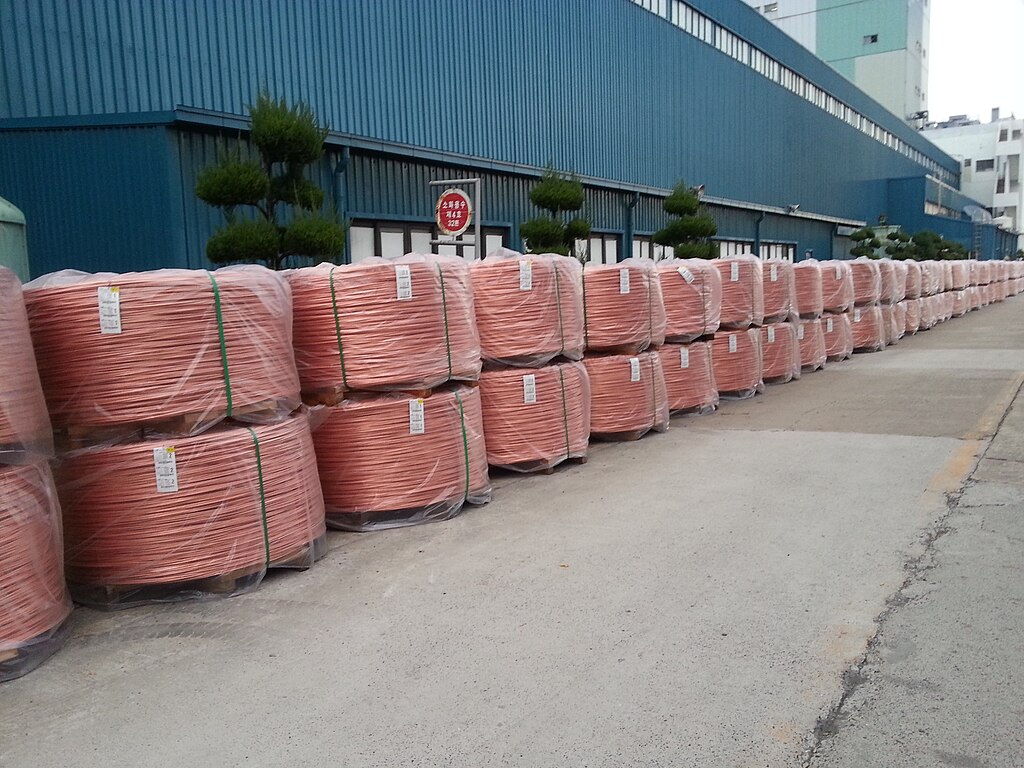
Copper markets are on edge as traders anticipate potential U.S. import tariffs under President Donald Trump’s administration. While no official tariff has been imposed, the price gap between the CME and London Metal Exchange (LME) contracts has widened sharply, with CME copper trading at a premium exceeding $1,000 per metric ton. This suggests the market is pricing in at least a 10% tariff, though a 25% duty, similar to those on aluminum and steel, remains a possibility.
The United States relies on imports for about 45% of its copper consumption, making domestic prices highly sensitive to tariff risks. CME copper stocks have rebounded above 100,000 tons, but traders remain cautious. The tariff impact is expected to extend beyond refined copper, disrupting supply chains for copper products, particularly between the U.S., Canada, and Mexico. A 25% tariff on copper imports from these key trading partners could force manufacturers to relocate operations to Asia, affecting the automotive industry and copper wire production.
North America's copper trade is deeply integrated, with significant cross-border flows of scrap and refined metal. Tariffs could divert supply chains, potentially benefiting China while harming U.S. secondary copper production. Despite these concerns, LME copper prices have risen 7% in 2024, driven by expectations of stronger demand, especially in China. However, escalating trade tensions could ultimately weigh on global copper demand.
If tariffs are enacted, U.S. copper prices may surge, widening the gap with international markets. While traders focus on immediate pricing dynamics, the long-term effects of a full-scale tariff war could disrupt supply chains and weaken global industrial demand, making copper a key battleground in ongoing trade disputes.







