


 Fed Unveils Stablecoin Rules Under GENIUS Act
  Mexico-US Trade Talks Delayed to October as Tariff Negotiations Continue
  Oil Prices Jump 3% as Houthi Attack Revives Supply Fears
  Asian Currencies Mixed as Dollar Holds Near Two-Month High
  Asian Stocks Fall as Surging Bond Yields Rattle Markets
  Japanese Yen Rebounds as Trump Flags Currency Weakness
  Gold Holds Near $4,275 as Rising Treasury Yields Fuel Fed Rate Hike Bets
  Asian Stocks Fall as Bond Yields Surge Ahead of Trump-Xi Summit
  Oil Prices Ease as Iran Tensions Clash With Diplomacy Hopes
  Japanese Bank Stocks Surge as Bond Yields Fuel Rate Hike Bets
  Dollar Falls as Oil Eases, Yen Jumps on Intervention Signals
  Soybean Futures Slip as Traders Await Trump-Xi Trade Signals
  U.S. Treasury Yields Surge as 30-Year Hits 22-Year High
  U.S. Dollar Hits Two-Month High as Oil, Treasury Yields Surge
  Oil Prices Fall on U.S.-Iran Hormuz Deal Hopes
  US Stock Futures Fall as Treasury Yields Surge Ahead of Trump-Xi Summit


 Add as a preferred source on Google
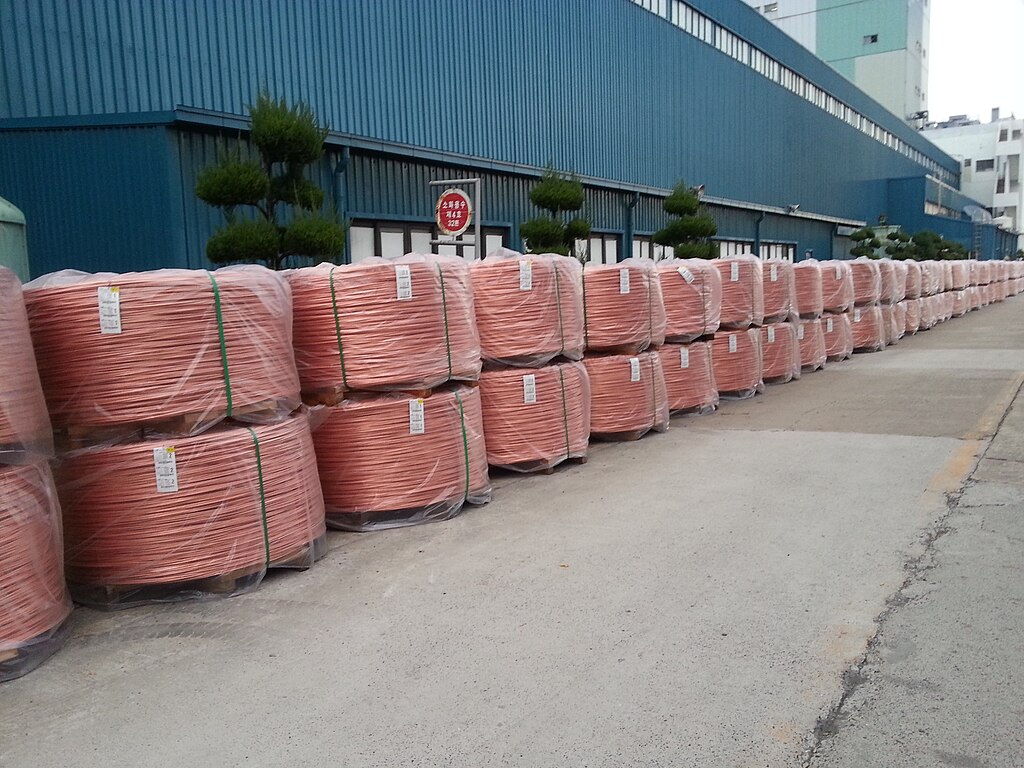
Global copper demand is entering a new phase as China’s dominance in consumption begins to wane, paving the way for the United States and India to play a larger role. Over the past 25 years, copper prices have surged from $1,500 to above $10,000 per metric ton, largely driven by China’s massive industrial and infrastructure boom. However, analysts now predict that the next decade will bring a rebalancing of demand dynamics across regions.
While China will remain the largest consumer of copper, its demand growth is projected to slow significantly as its infrastructure and power grid reach maturity. Panmure Liberum analyst Tom Price forecasts Chinese copper demand to decline by 6% between 2026 and 2031, dropping its share of global consumption from 57% to 52%, or around 27 million tons. In contrast, U.S. copper demand is expected to climb nearly 50% to 2.2 million tons, driven by data center expansion, power grid modernization, and manufacturing reshoring efforts. India is also poised for strong growth, with demand set to rise over 30% to exceed 1 million tons by 2031.
Trade policies are also reshaping the market. U.S. President Donald Trump’s 50% tariffs on Chinese copper pipes and wiring aim to boost local production while limiting China’s exports. Meanwhile, India’s ambitious target of 500 GW of non-fossil fuel capacity by 2030 is fueling large-scale investment in transmission and renewable infrastructure.
Analysts from CRU and Benchmark Mineral Intelligence note that the next phase of copper demand will come from upgrading aging Western power grids and expanding digital infrastructure worldwide. As China’s consumption levels off, emerging economies and Western modernization projects are set to become the new engines of global copper demand, marking a pivotal shift in the red metal’s future.







