


 NATO Boosts Intelligence Sharing Amid Russia Hybrid Threats
  EU Defence Build-Up Too Slow for 2030 Russia Readiness Goal
  US Judge Dismisses Imran Ahmed Deportation Lawsuit
  Synthetic data could ease people’s concerns about privacy breaches. But who gets to create it?
  White House Bars CNN, MS NOW and Politico Reporters
  Trump Warns China Against Supporting Iran in Xi Talks
  China Reviews Broadcom Switch Use in State Data Centres
  Trump Administration Plans Faster FDA Reviews for Smoke-Free Nicotine Products
  US Supreme Court Revives Trump Administration Voter Citizenship Database
  Xi Calls for Deeper U.S.-China AI Cooperation in Trump Talks
  Trump, Xi Focus on Trade and AI at White House Summit
  Australia Tightens Student Visa Rules, Targets Migration Cut by 2028
  Pope Leo Backs Press Freedom After White House Media Ban
  Abbas Reaffirms November 28 Palestinian Elections
  Trump Administration Removes Confederate Memorial Criticism From Arlington Website


 Add as a preferred source on Google
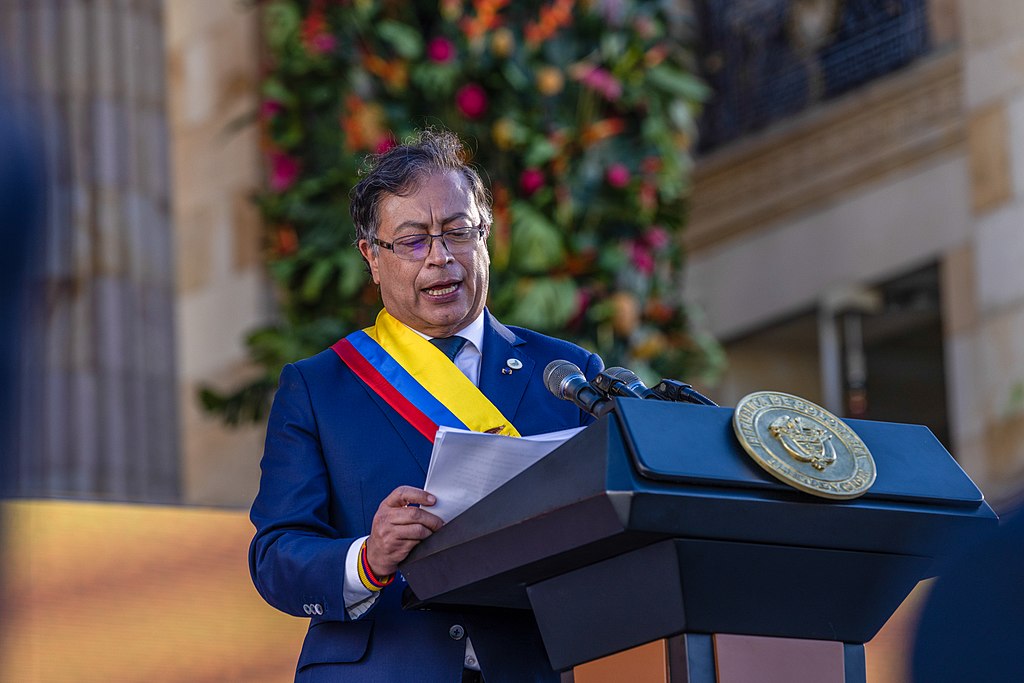
Colombian President Gustavo Petro has ordered the suspension of intelligence sharing between Colombia’s security forces and U.S. intelligence agencies following alleged attacks by Washington on boats in the Caribbean. Petro announced the decision on X, emphasizing that Colombia’s participation in the fight against drug trafficking must respect human rights and regional sovereignty.
“The fight against drugs must be subordinated to the human rights of the Caribbean people,” Petro wrote, underscoring his government’s disapproval of recent U.S. actions. The move marks a significant shift in the long-standing cooperation between the two countries in anti-narcotics operations.
Colombia has been one of Washington’s closest allies in the region, playing a central role in joint efforts to combat drug smuggling routes that pass through the Caribbean. However, Petro’s stance reflects a growing tension between Colombia’s progressive administration and U.S. policies that prioritize military enforcement over humanitarian concerns.
According to Petro, U.S. naval and aerial operations have endangered civilian lives in the region, contradicting Colombia’s commitment to protecting human rights. His directive aims to pressure Washington to reconsider its approach to anti-drug campaigns, which Petro has criticized as outdated and ineffective.
The suspension could impact regional security operations and intelligence flow vital for tracking drug cartels operating between South America and the Caribbean. Analysts suggest this move may signal a broader push by Petro to redefine Colombia’s foreign relations and promote regional autonomy.
Petro’s call for reform in the global war on drugs aligns with his broader political agenda, advocating for alternative strategies that address the social and economic roots of drug production rather than relying solely on punitive measures.







