


 US Bans Canadian Alcohol, Motorcycles as Trade War Escalates
  US Comfortable With Canada Trade Standoff as Import Bans Loom
  Oil Prices Fall on U.S.-Iran Hormuz Deal Hopes
  Judge Orders Trump to Restore White House Access for CNN, MS NOW and Politico
  Who should own the knowledge that underpins AI technology?
  Gold Holds Near $4,275 as Rising Treasury Yields Fuel Fed Rate Hike Bets
  White House Bars CNN, MS NOW and Politico Reporters
  US Northeast Airports Resume Operations After Telecom Outage Disrupts Thousands of Flights
  FDA Names Permanent Drug and Biologics Center Chiefs
  Fed Unveils Stablecoin Rules Under GENIUS Act
  U.S. Dollar Hits Two-Month High as Oil, Treasury Yields Surge
  Pentagon Restarts Testosterone Testing for US Troops
  Nvidia-Groq AI Chip Deal Faces U.S. Antitrust Probe
  U.S. Imposes New Visa Restrictions Over South Africa Policies
  Synthetic data could ease people’s concerns about privacy breaches. But who gets to create it?
  Australia Tightens Student Visa Rules, Targets Migration Cut by 2028


 Add as a preferred source on Google
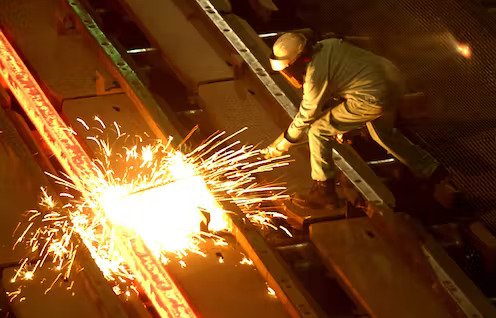
China has announced it will continue strict regulation of crude steel output and prohibit the addition of illegal new capacity from 2026 to 2030, reinforcing its long-term strategy to curb overcapacity and reduce carbon emissions. As the world’s largest steel producer and consumer, China first halted growth in crude steel production in 2021, aligning industrial policy with its climate goals and broader supply-side reforms.
The policy comes as China’s steel industry continues to grapple with weak domestic demand, largely driven by a prolonged downturn in the property market. Reduced construction activity has weighed heavily on steel consumption, leaving producers facing persistent oversupply and margin pressure. According to official data, China’s crude steel output fell 4% year-on-year in the first 11 months of 2025, putting full-year production on track to drop below 1 billion tons for the first time in six years.
In a statement, the National Development and Reform Commission (NDRC) said the raw materials sector, including steel, is struggling with an imbalance between supply and demand. The agency emphasized that deeper supply-side reform will be a key priority during the Fifteenth Five-Year Plan period from 2026 to 2030, adding that the industry must promote “survival of the fittest” to improve efficiency and competitiveness.
While domestic demand has weakened, China’s steel exports have remained strong since 2023, helping mills offset losses at home. However, the surge in exports has triggered a growing protectionist response globally. An increasing number of countries have imposed trade barriers, arguing that low-priced Chinese steel products harm local manufacturers and distort markets.
In response to mounting trade tensions, Beijing recently unveiled plans to introduce a licensing system from 2026 to regulate exports of around 300 steel-related products. The move signals tighter oversight of outbound shipments and reflects China’s intention to balance industrial stability, environmental goals, and international trade pressures as it reshapes its steel sector over the next decade.







