


 Trump, Xi Visit US National Archives After White House Summit
  US Comfortable With Canada Trade Standoff as Import Bans Loom
  Trump, Xi Focus on Trade and AI at White House Summit
  China’s ‘Lipstick King’ Says AI Won’t Replace Livestream Hosts
  Kremlin Says No Decision Yet on Putin-Trump December Summit
  Trump Asks Supreme Court to Restore Third-Country Deportations
  Russian Envoy Dmitriev Heads to US for Ukraine Talks
  U.S. 10-Year Treasury Yield Hits 2007 High as Fed Rate Hike Bets Rise
  Netanyahu’s Brief US Trip Highlights Strains With Trump
  Asian Stocks Fall as Surging Bond Yields Rattle Markets
  RBI Uses $10 Billion Currency Swaps to Drain Excess Rupee Liquidity
  Pezeshkian Says US Must Choose When Iran War Ends
  U.S. Treasury Yields Surge as 30-Year Hits 22-Year High
  Gold Holds Near $4,275 as Rising Treasury Yields Fuel Fed Rate Hike Bets
  Fed Unveils Stablecoin Rules Under GENIUS Act
  Trump Warns China Against Supporting Iran in Xi Talks
  Oil Prices Jump 3% as Houthi Attack Revives Supply Fears


 Add as a preferred source on Google
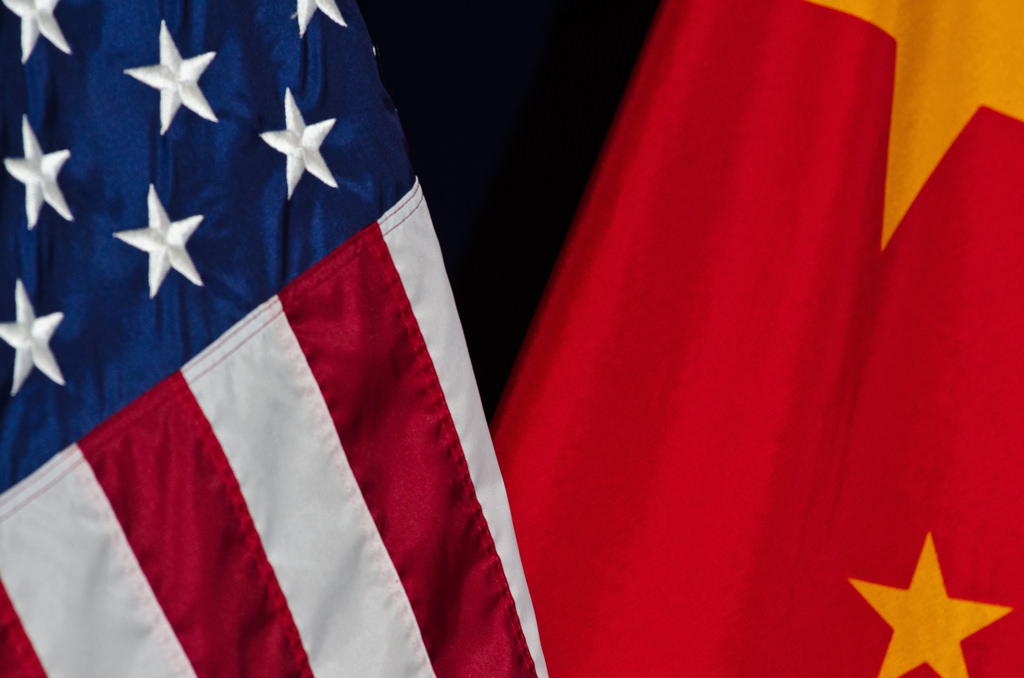
China has announced the suspension of its export ban on gallium, germanium, and antimony to the United States, a move expected to ease supply tensions in key industrial sectors. According to the Ministry of Commerce, the suspension took effect on Sunday and will remain in place until November 27, 2026. These metals, vital for manufacturing semiconductors, fiber-optic cables, ammunition, and flame retardants, were previously under a strict export ban imposed in December 2024 after Washington introduced new restrictions on China’s chip industry.
The initial export controls began in August 2023, expanding over the following year before targeting the U.S. directly. The ban led to significant shortages across American industries, prompting some importers to seek alternative routes through third countries to obtain the critical materials. The recent decision to suspend the ban signals a softening in China’s stance on strategic mineral exports and follows a high-profile meeting between U.S. President Donald Trump and Chinese President Xi Jinping in South Korea, where trade relations were a central topic.
Despite the suspension, the three metals remain listed under China’s dual-use export control regulations, meaning exporters will still need government licenses for shipments abroad. Furthermore, the suspension does not lift existing prohibitions on the export of dual-use items to U.S. military users, which were implemented alongside the original metals ban last year.
In a related move, China’s Ministry of Commerce also announced the suspension of stricter licensing checks for graphite exports to the U.S., signaling a broader effort to stabilize trade ties. Analysts view these steps as a potential easing of tensions in the ongoing U.S.-China trade dispute over technology and critical materials.







