


 Gold Prices Fall as Treasury Yields Rise on Fed Rate Hike Bets
  Oil Prices Ease as Iran Tensions Clash With Diplomacy Hopes
  US 10-Year Treasury Yield at 6% Emerges as New Market Risk Threshold
  Japan Private-Sector Growth Slows as Domestic Demand Weakens
  Mexico-US Trade Talks Delayed to October as Tariff Negotiations Continue
  Fed Unveils Stablecoin Rules Under GENIUS Act
  Oil Prices Surge as U.S.-Iran Diplomacy Hopes Fade
  Asian Stocks Fall as Bond Yields Surge Ahead of Trump-Xi Summit
  China’s ‘Lipstick King’ Says AI Won’t Replace Livestream Hosts
  U.S. Dollar Hits Two-Month High as Oil, Treasury Yields Surge
  Russian Envoy Dmitriev Heads to US for Ukraine Talks
  European Stocks Fall as Bond Yields and Geopolitical Risks Weigh
  Asian Currencies Mixed as Dollar Holds Near Two-Month High
  U.S. 10-Year Treasury Yield Hits 2007 High as Fed Rate Hike Bets Rise
  Gold Holds Near $4,275 as Rising Treasury Yields Fuel Fed Rate Hike Bets
  Dollar Holds Near Two-Month High as Yen Approaches 160


 Add as a preferred source on Google
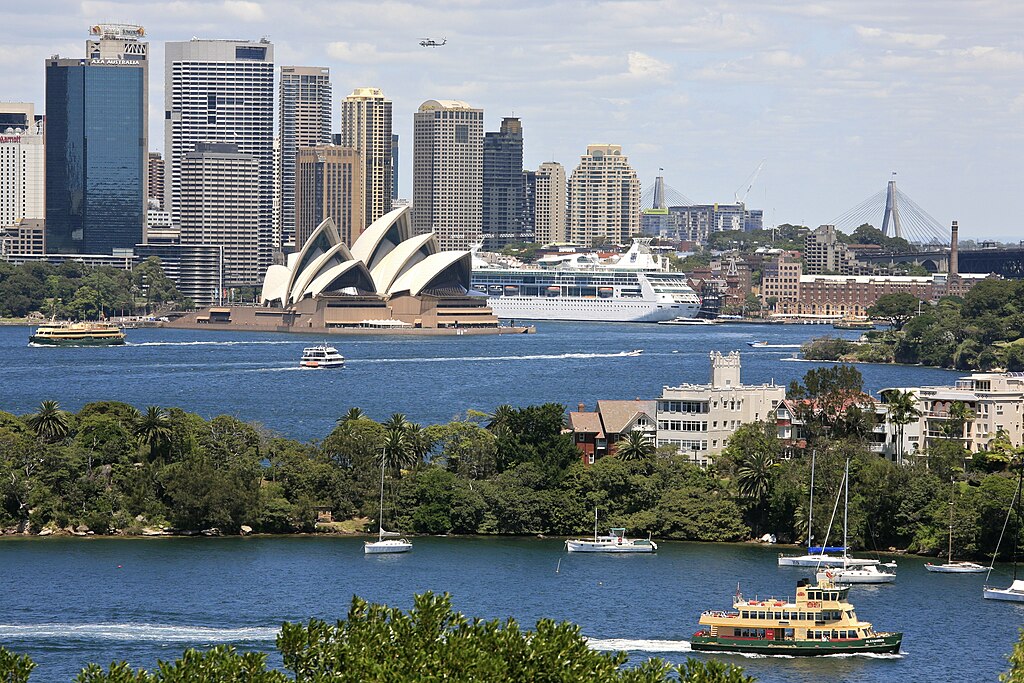
Australian household spending declined in December as consumers eased back after heavy year-end sales activity, but solid sales volumes continued to highlight why the Reserve Bank of Australia (RBA) recently raised interest rates to curb rising inflation.
New data from the Australian Bureau of Statistics (ABS) showed the Monthly Household Spending Indicator (MHSI) fell by 0.4% in December to A$78.86 billion, following a 1% increase in November and a stronger 1.4% rise in October. On an annual basis, household spending growth slowed to 5%, down from 6.3% previously, signaling some moderation in consumer demand after months of elevated activity.
According to ABS head of business statistics Tom Lay, strong sales events and cultural promotions in October and November encouraged households to bring forward purchases. The pullback in December suggests consumers were adjusting after earlier splurges rather than signaling a sharp deterioration in confidence.
Despite the monthly decline, sales volumes for the December quarter grew by a solid 0.9% from the previous period. Economists estimate this increase will contribute around 0.3 percentage points to Australia’s gross domestic product, reinforcing the view that overall economic momentum remains resilient.
The spending data arrives shortly after the RBA raised its cash rate by 25 basis points to 3.85%. The decision followed a resurgence in inflation after three rate cuts last year. Headline inflation stood at 3.6% last quarter and is forecast to rise to 4.2% by June, well above the RBA’s target range of 2% to 3%. Strong consumer spending, record-high house prices, and relatively easy access to credit have all supported the case for tighter monetary policy.
Market pricing now suggests a 74% chance of another interest rate hike in May, with around 37 basis points of additional tightening expected this year. December data showed spending on goods fell 0.5%, led by declines in clothing, footwear, and household appliances, while services spending slipped 0.3% due to lower transport and health costs.
Looking ahead, economists expect higher interest rates to weigh on household spending in 2026. However, easing inflation and solid wage growth should help prevent a sharp downturn in consumer sentiment, supporting a more balanced outlook for the Australian economy.







