


 Colombia Extradites FARC Dissident Leader ‘Spider’ to US
  Ukrainian Drone Attacks Hit Russian Regions, Injuring at Least 12
  Trump Warns China Against Supporting Iran in Xi Talks
  Trump Asks Supreme Court to Restore Third-Country Deportations
  Putin Says Ukraine Peace Proposals Remain on Table
  Netanyahu Defends Israel at UN as Delegates Stage Walkout
  Abbas Reaffirms November 28 Palestinian Elections
  Yemen Violence Displaces 130,000 as Civilian Toll Rises
  EU Agrees €6.6 Billion Military Aid Funding for Ukraine
  UK PM Burnham to Unveil Economic Vision at Labour Conference
  Iran Awaits U.S. Response on Hormuz Ceasefire Proposal
  US Supreme Court Revives Trump Administration Voter Citizenship Database
  Pope Leo Warns UN, Multilateral Groups Face Crisis
  Saudi Arabia Seeks Military Support as Houthi Attacks Escalate
  North Korea Warns South Korea Over US-Led Defense Role
  Saudi Arabia, Turkey and Pakistan Plan Urgent Defence Talks Over Houthi Attacks
  US Backs Musk in Fight Against EU’s €120 Million X Fine


 Add as a preferred source on Google
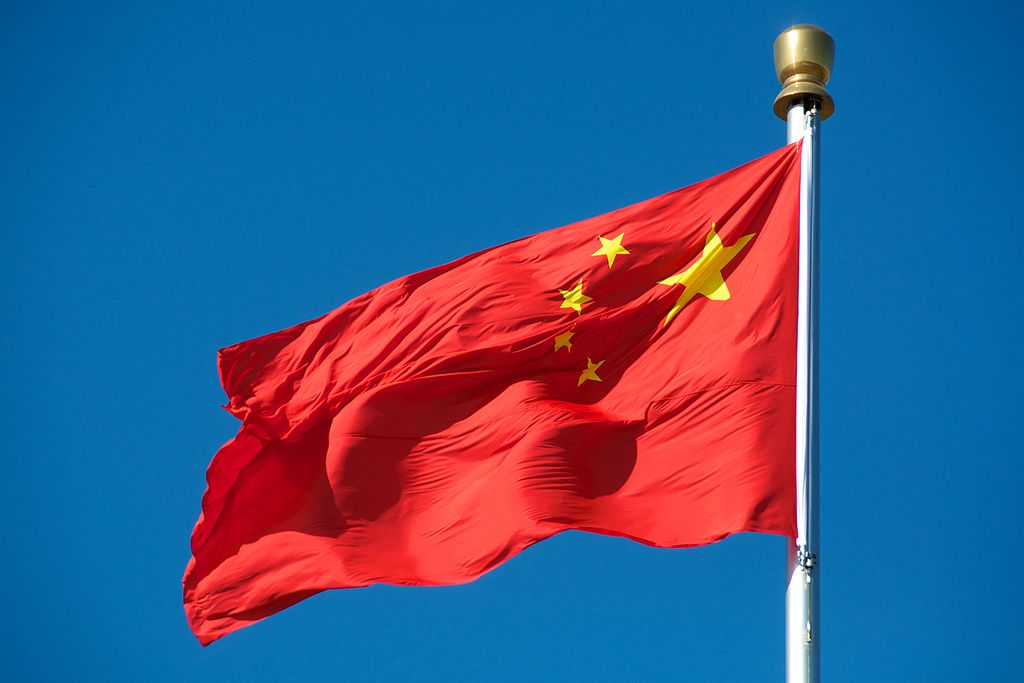
China is emerging as the leading force in global climate diplomacy as the United States skips the U.N. COP30 climate summit for the first time in 30 years. At the conference in Belém, Brazil, China’s presence is impossible to overlook: its massive pavilion sits at the entrance, its top clean-energy companies are showcasing innovations in English, and its diplomats are actively working behind the scenes to keep negotiations on track.
This shift reflects a broader change in the global climate landscape following President Donald Trump’s return to office and renewed skepticism toward climate agreements. With the U.S. again withdrawing from the Paris Agreement and declining to send a high-level delegation, China is seizing an opportunity to strengthen its diplomatic influence and advance its renewable-energy agenda.
Experts say China’s dominance in solar, batteries, and electric vehicles is translating into real political leverage. At COP30, Chinese companies like CATL, BYD, Trina Solar, LONGi, and State Grid showcased technologies that are already reshaping global energy markets. CATL, the world’s largest battery maker, emphasized its commitment to global cooperation, while BYD introduced hybrid vehicles running on Brazilian biofuels—signaling its growing investment in Latin America.
Chinese officials highlighted how their expanding renewable-energy capacity benefits developing countries, particularly in the Global South, by offering affordable low-carbon technologies. COP30 organizers praised China’s contributions, noting its ability to scale clean-energy solutions at competitive prices.
Behind the scenes, diplomats say China is stepping into roles once played by the U.S., helping mediate early negotiations and uniting developing nations around shared climate interests. While some analysts argue China could still set more ambitious emissions targets, others believe its rapid technological progress already demonstrates substantial leadership.
Observers note that real power in climate diplomacy comes not just from negotiation, but from producing the clean-energy technologies that make climate goals achievable. As one expert put it, the country shaping the world’s low-carbon future is not the loudest voice at COP—it’s the one building the solutions.







