


 Trump Plans Federal AI Force and AI Czar
  NASA, Boeing Discuss Expanding Starliner Missions
  Gold Prices Rise as Oil Slide Eases Fed Rate Hike Fears
  France Debt-to-GDP Ratio Seen Hitting Record 119.3% in 2026
  Goldman Sachs Names Simon Lyons UK Investment Banking Co-Head
  Who should own the knowledge that underpins AI technology?
  MediaTek Unveils 2nm Dimensity 9600 Pro AI Chip
  US, Japan and South Korea Back Taiwan Ahead of Trump-Xi Summit
  SoftBank Launches $11 Billion Bond Sale to Fund OpenAI Investment
  Europe Jet Fuel Deficit Drives South Korean Imports to Four-Year High
  Paramount-Warner Bros $110 Billion Deal Draws Antitrust Backlash
  RBA Says ASX Still Falls Short on Governance and Risk Controls
  U.S. Stock Futures Rise Ahead of Trump-Xi Summit, Middle East Risks Weigh
  Big AI wants to slow down AI research. Is it a safety pause or a strategic retreat?
  US Stock Futures Rise as Meta Muse Fuels AI Rally
  fnny Beta Launches With a Simple Idea: Find an Event, Show Up, Get Rewarded
  China Reviews Broadcom Switch Use in State Data Centres


 Add as a preferred source on Google
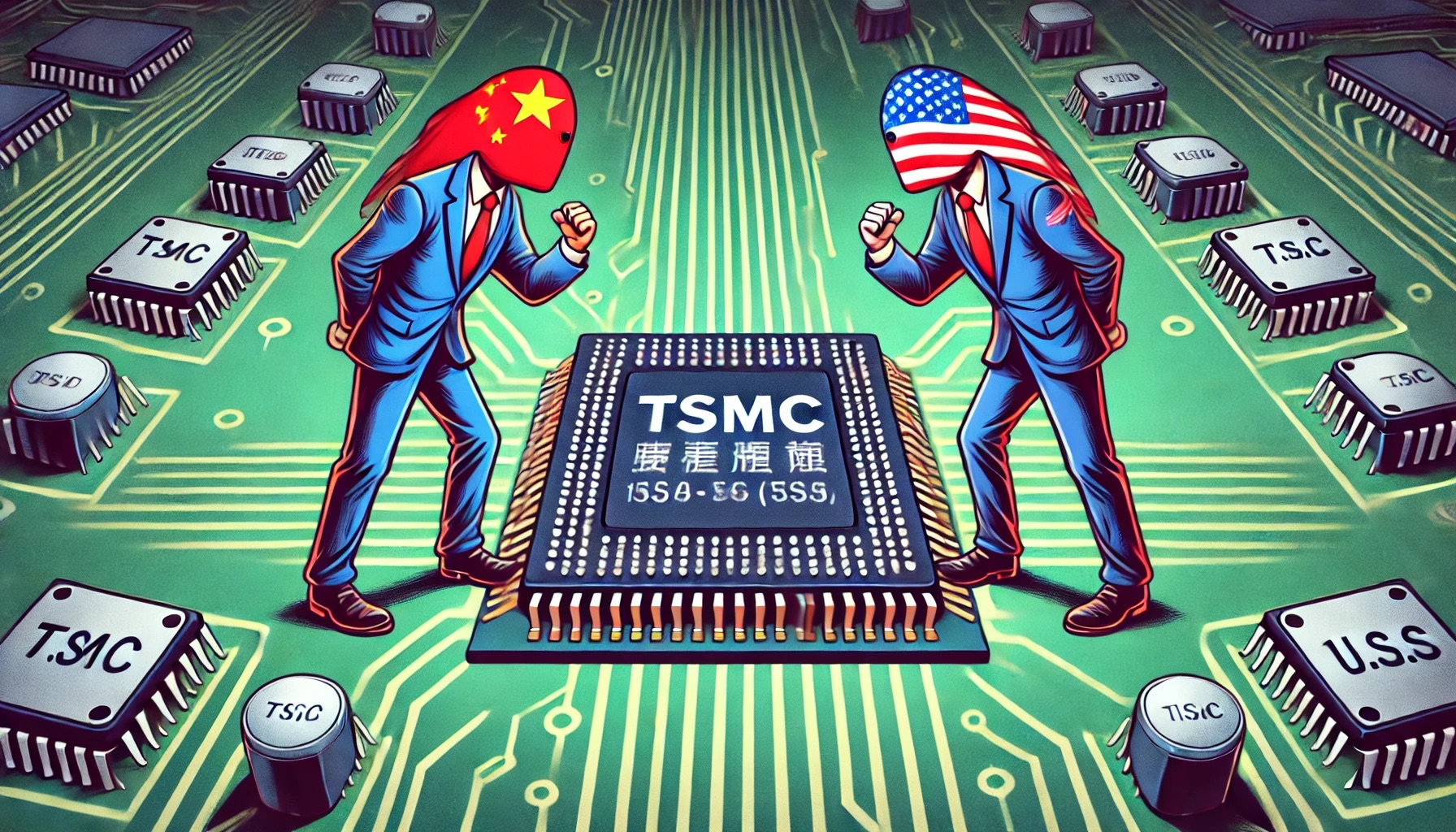
China’s Taiwan Affairs Office condemned recent U.S. restrictions on TSMC chip exports to Chinese firms, claiming the U.S. is weaponizing Taiwan’s tech industry to increase Taiwan Strait tensions. This statement marks China’s first official response to the export limits.
China Criticizes U.S. for Escalating Taiwan Tensions through Chip Restrictions
China's Taiwan Affairs Office stated on Wednesday that a United States directive to Taiwan Semiconductor Manufacturing Co. to block shipments of advanced chips to some Chinese clients demonstrated that the United States was "playing the Taiwan card" in order to increase tensions in the Taiwan Straits. The order was reported by Reuters.
According to Zhu Fenglian, a spokeswoman for China's Taiwan Affairs Office, the United States intended to make the situation with Taiwan even more difficult, and she stated that such a move would be detrimental to the interests of multinational corporations based in Taiwan. When she was at a news conference, she was questioned about the reports.
The remarks are the first public response from China following a report by Reuters on Sunday stating that the United States had instructed TSMC to comply with the order. An individual who is aware with the situation stated that TSMC had stopped the shipments beginning on Monday.
Advanced AI Chips at Center of U.S.-China Tech Dispute
Chips like this are frequently utilized in applications that include artificial intelligence. This comes at a time when members of both the Republican and Democratic parties have expressed concerns regarding the inadequacy of export controls on China and the enforcement of these limits by the Commerce Department, US News points out.
The United States Department of Commerce was informed by TSMC a few weeks ago that one of its chips had been discovered in a Huawei artificial intelligence processor.
Huawei, the Chinese technology giant that is at the core of the action taken by the United States, is on a restricted trade list. This means that suppliers are required to get permits in order to ship any goods or technology to Huawei.







