


 DOJ Will Investigate AI-Related Crimes, Attorney General Blanche Says
  Yen Weakens as Dollar Gains on Widening US-Japan Rate Gap
  NASA, Boeing Discuss Expanding Starliner Missions
  Nvidia CEO Jensen Huang Expected at Trump-Xi State Dinner
  Trump Plans Federal AI Force and AI Czar
  Microsoft Stock Upgraded as Stifel Sees Stronger Azure Growth
  Telix to Acquire Germany’s ITM in $1.65 Billion Radiopharma Deal
  Meta Partners With Shopify to Bring Shop Pay Checkout to Muse AI
  fnny Beta Launches With a Simple Idea: Find an Event, Show Up, Get Rewarded
  Novo Nordisk Weighs Direct NYSE Listing to Boost U.S. Profile
  US, Japan and South Korea Back Taiwan Ahead of Trump-Xi Summit
  Oil Prices Rise as U.S.-Iran Talks Fuel Diplomacy Hopes
  Gold Prices Rise as Oil Slide Eases Fed Rate Hike Fears
  Who should own the knowledge that underpins AI technology?
  Dollar Hits Two-Month High as Fed Rate Hike Bets Rise
  Vietnam Stocks Join FTSE Emerging Market Indexes, Unlocking Billions in Foreign Investment


 Add as a preferred source on Google
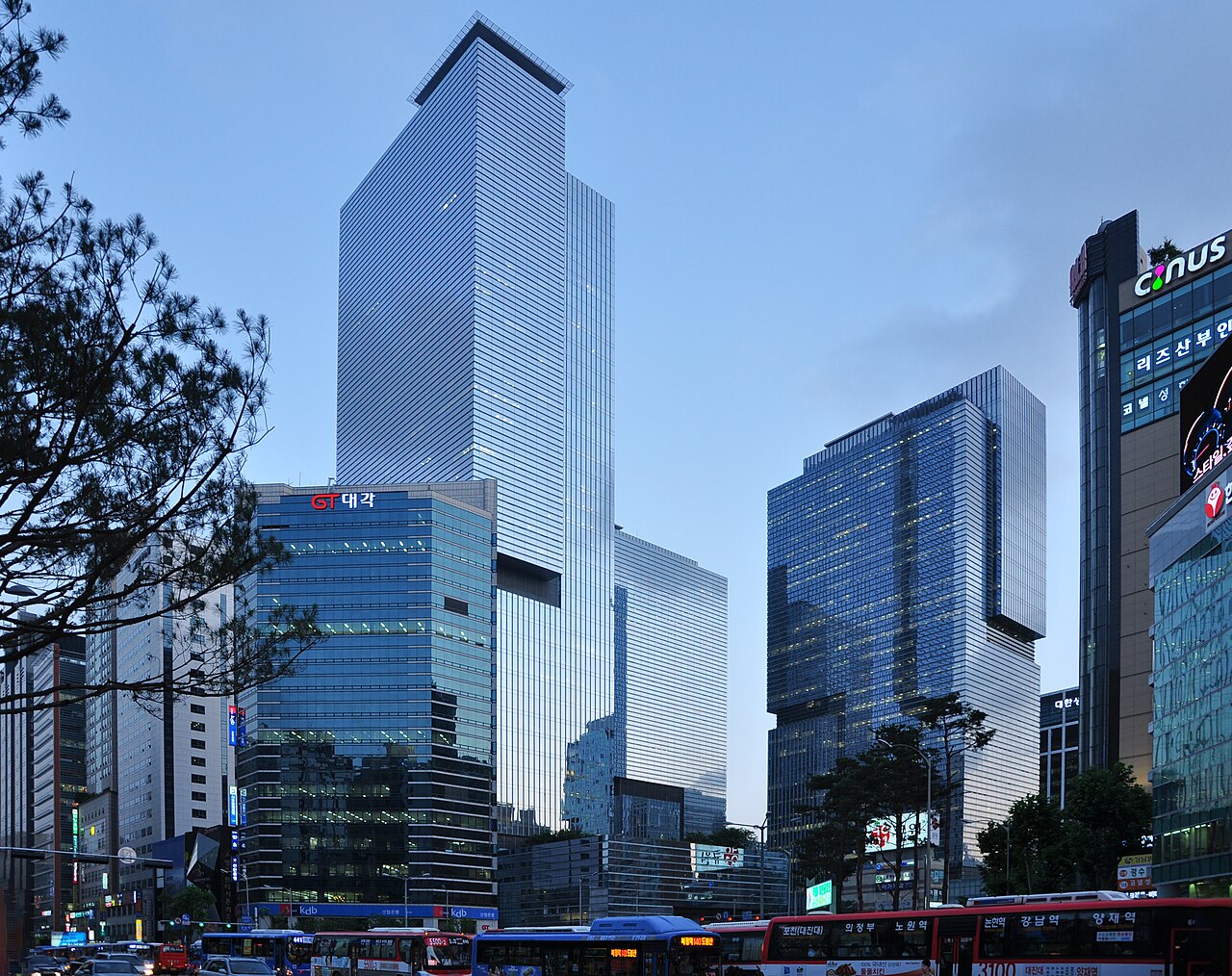
Samsung Electronics shares reached their lowest level in over four years Wednesday, as fears over potential U.S. tariffs on Chinese imports and fierce competition from AI-focused chipmakers put the tech giant under pressure. Samsung’s AI chip lag has fueled a steep market drop this year.
Samsung Shares Plunge Amid Trump Tariff Concerns
On Wednesday, analysts claimed that concerns about the potential impact of U.S. tariffs under the new Trump administration caused shares of Samsung Electronics, the world's leading maker of memory chips, to fall to their lowest level in over four years, Reuters shares.
The South Korean IT behemoth has failed to keep up with its competitors in capitalizing on the surging demand for AI chips, making its stock the worst-performing among global chipmakers this year.
Samsung’s reliance on AI chip advancements has underscored a challenging year for the company, with heightened investor concerns.
Samsung Faces Heightened Exposure to Chinese Tariffs
According to Lee Min-hee, an analyst at BNK Investment & Securities, Samsung would be more severely hit by Trump's possible taxes on Chinese imports than its local competitor SK Hynix, due to Samsung's greater dependence on Chinese consumers.
U.S. clients like Nvidia have started buying more high-end AI server chips from Hynix. This shift underscores the competitive edge Hynix may hold amid tariff threats.
Potential U.S. Tariffs Threaten Electronics Demand
According to Greg Noh, an analyst at Hyundai Motor Securities, demand for electronics devices that employ chips will decrease if Trump follows through on his promise to put a general 10% tariff on imports and 60% on Chinese goods.
Per US News, the prospect of heavy tariffs on Chinese imports threatened by Trump has South Korean President Yoon Suk Yeol worried that Korean chip companies might be disadvantaged overseas if their Chinese competitors decrease export prices.
Such competitive price cuts could deepen challenges for Samsung, potentially driving a further gap between it and its rivals.
Samsung on Track for Worst Annual Performance in Two Decades
Samsung is on track to have its worst yearly performance in over 20 years, with shares down 34% so far this year. So far this year, SK Hynix shares have increased by 32%, and Nvidia shares have increased by 199%.
As of 0126 GMT, shares of Samsung, South Korea's most valuable firm, were down 2.1% after plunging as low as 51,700 won, the lowest level since June 24, 2020, while the larger KOSPI market was down 1.5%. This extends losses to four consecutive sessions.
SK Hynix Gains Despite Broader Market Decline
SK Hynix rebounded from two straight sessions of decline to a 2% gain, defying the broader downturn in the market and marking a stark contrast to Samsung’s continued decline.







