


 Fed Unveils Stablecoin Rules Under GENIUS Act
  European Stocks Fall as Bond Yields and Geopolitical Risks Weigh
  Netanyahu Takes Aim at Mamdani as Israel Election Nears
  Dollar Holds Near Two-Month High as Yen Approaches 160
  Japan Private-Sector Growth Slows as Domestic Demand Weakens
  Japanese Bank Stocks Surge as Bond Yields Fuel Rate Hike Bets
  Fed Unveils Stablecoin Rules Under GENIUS Act
  France Defends Netanyahu Airspace Clearance Despite ICC Warrant
  NATO Boosts Intelligence Sharing Amid Russia Hybrid Threats
  EU Defence Build-Up Too Slow for 2030 Russia Readiness Goal
  Pezeshkian Says US Must Choose When Iran War Ends
  Soybean Futures Slip as Traders Await Trump-Xi Trade Signals
  Trump, Xi Visit US National Archives After White House Summit
  Asian Stocks Fall as Bond Yields Surge Ahead of Trump-Xi Summit
  Ukrainian Drone Attacks Hit Russian Regions, Injuring at Least 12
  Abbas Reaffirms November 28 Palestinian Elections
  North Korea Warns South Korea Over US-Led Defense Role


 Add as a preferred source on Google
China is developing a new rare earth export licensing system that could accelerate shipments but is unlikely to represent a full rollback of restrictions, according to industry insiders. The Ministry of Commerce has informed select exporters that they will soon be able to apply for streamlined permits, signaling a partial easing of the export curbs that have strained global supply chains.
China currently dominates more than 90% of the world’s processed rare earths and magnet production—essential materials for electric vehicles, smartphones, and military technology. The export restrictions, introduced in April and expanded in October, required exporters to apply for licenses for each shipment, creating delays that disrupted industries worldwide. The curbs also gave Beijing a powerful trade leverage tool amid its ongoing tensions with Washington.
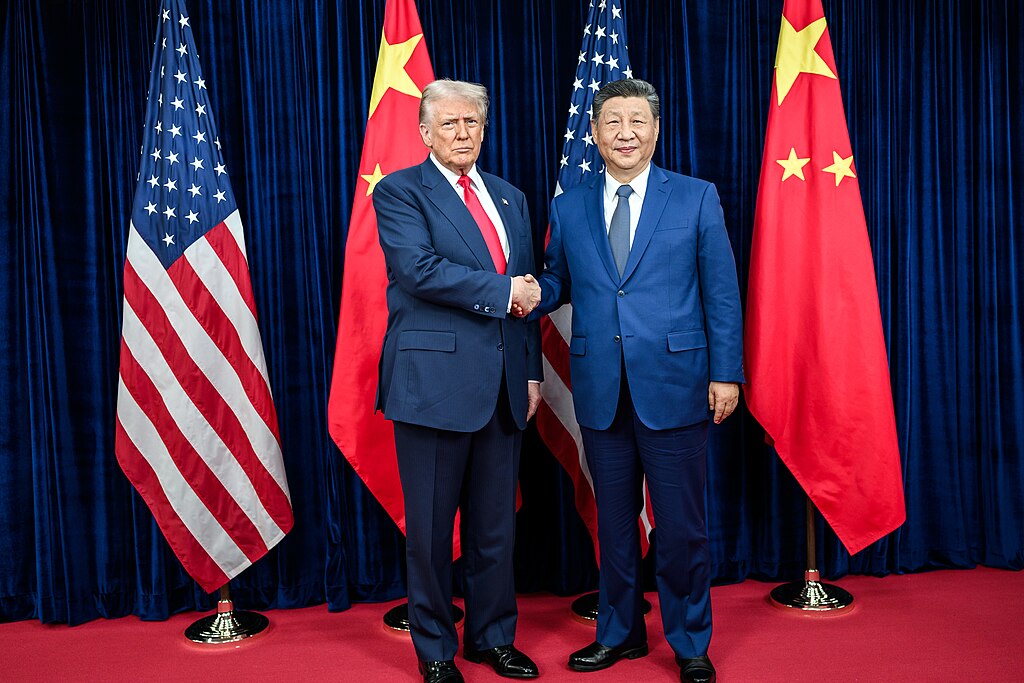
After a recent agreement between Presidents Xi Jinping and Donald Trump, Beijing announced it would pause some restrictions for one year. The White House interpreted this as an effective end to China’s export controls, citing plans for “general licenses.” However, sources close to the matter say the new permits will still maintain oversight and limitations, especially for companies linked to defense and sensitive technologies.
The proposed general licenses would be valid for one year and could allow higher export volumes. Exporters are now preparing documentation that demands more detailed information from customers. While some companies expect further clarity before year-end, others report no official notice of the change.
Despite the potential easing, the new system is not expected to remove all export barriers. Of the 2,000 rare earth export applications submitted by EU firms since April, only about half have been approved. As discussions continue, the global market remains cautious, awaiting how China’s new rare earth policy will reshape supply chains and trade relations.







