


 Australia Tightens Student Visa Rules, Targets Migration Cut by 2028
  FDA Names Permanent Drug and Biologics Center Chiefs
  NATO Boosts Intelligence Sharing Amid Russia Hybrid Threats
  Trump Asks Supreme Court to Restore Third-Country Deportations
  US Backs Musk in Fight Against EU’s €120 Million X Fine
  Trump Bans CNN, MS NOW and Politico From White House
  Trump Administration Removes Confederate Memorial Criticism From Arlington Website
  North Korea Rejects Nuclear Test Warning, Calls Nuclear Status Irreversible
  US Judge Dismisses Imran Ahmed Deportation Lawsuit
  Ukrainian Drone Attacks Hit Russian Regions, Injuring at Least 12
  South Korea, US Discuss Warship Building Cooperation
  DOJ Will Investigate AI-Related Crimes, Attorney General Blanche Says
  Saudi Arabia, Turkey and Pakistan Plan Urgent Defence Talks Over Houthi Attacks
  FAA Allows Boeing to Sell 35 More 777F Freighters Beyond 2028
  Sudan Rejects US Legitimacy Remarks, Defends Sovereignty
  Judge Orders Trump to Restore White House Access for CNN, MS NOW and Politico


 Add as a preferred source on Google
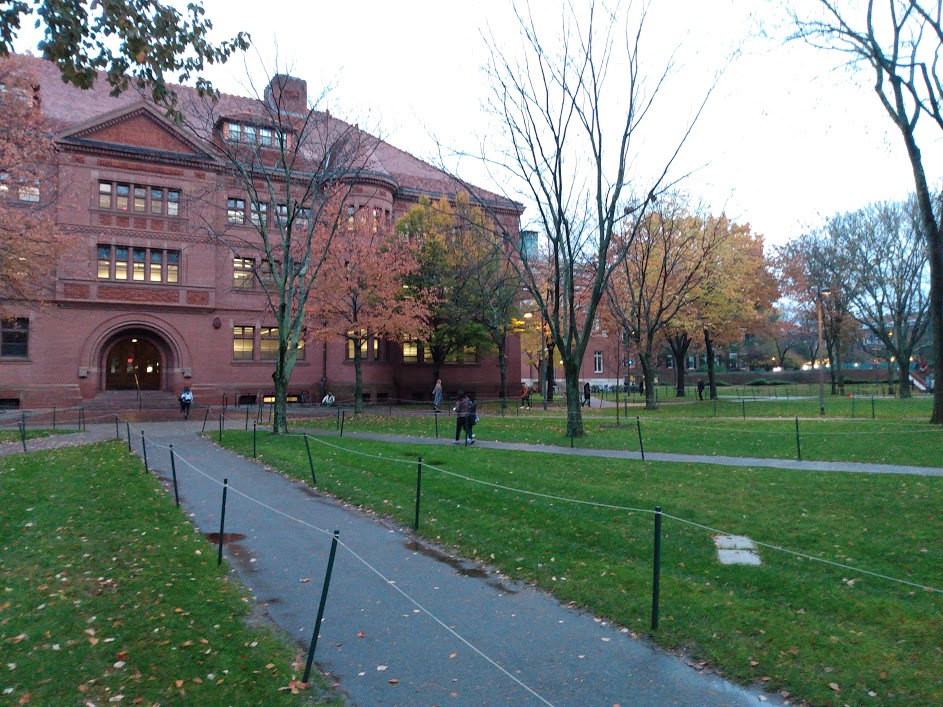
China has vowed to protect the legal rights of its overseas students and scholars following the Trump administration’s move to block Harvard University from enrolling international students. The decision has sparked diplomatic tension, with Beijing warning that such actions damage the United States’ global image and credibility.
During a regular press conference on Friday, Chinese Foreign Ministry spokesperson Mao Ning emphasized that the U.S. ban not only undermines educational exchange but also harms bilateral cooperation in academia. She noted that educational ties between China and the U.S. have long benefited both nations and should not be politicized.
The restriction on Harvard, one of America’s top universities, is part of a broader clampdown on foreign student admissions reportedly aimed at addressing national security concerns. However, critics argue that the move is discriminatory and jeopardizes the global standing of U.S. higher education institutions.
Mao stated that China will continue to support its citizens studying abroad and ensure their rights are upheld. She also urged the U.S. to correct its policies and return to a more open and inclusive approach toward international collaboration in education.
The ban comes amid escalating tensions between Washington and Beijing across various sectors, including trade, technology, and diplomacy. Observers say this latest action could deter future Chinese enrollment at U.S. universities, which have historically relied on international students for both cultural diversity and financial stability.
As the global academic landscape becomes increasingly competitive, experts warn that limiting access to U.S. education may have long-term implications for American influence and innovation. China’s strong response signals its growing intent to protect its global talent and assert its voice in international affairs.







