


 Yemen Violence Displaces 130,000 as Civilian Toll Rises
  Abbas Reaffirms November 28 Palestinian Elections
  RBI Uses $10 Billion Currency Swaps to Drain Excess Rupee Liquidity
  U.S. Treasury Yields Surge as 30-Year Hits 22-Year High
  NATO Boosts Intelligence Sharing Amid Russia Hybrid Threats
  Oil Prices Fall on U.S.-Iran Hormuz Deal Hopes
  Mexico-US Trade Talks Delayed to October as Tariff Negotiations Continue
  France Defends Netanyahu Airspace Clearance Despite ICC Warrant
  Pope Leo Warns UN, Multilateral Groups Face Crisis
  Australia Unemployment Hits Five-Year High Despite Strong Jobs Growth
  What ‘Taiwan Independence’ Means as Xi Presses Trump on US Policy
  US Stock Futures Fall as Treasury Yields Surge Ahead of Trump-Xi Summit
  Putin Says Ukraine Peace Proposals Remain on Table
  Pope Leo Backs Press Freedom After White House Media Ban
  Canadian Dollar Faces Pressure as Fed-BoC Policy Gap Widens
  Netanyahu Defends Israel at UN as Delegates Stage Walkout
  Xi Calls for Deeper U.S.-China AI Cooperation in Trump Talks


 Add as a preferred source on Google
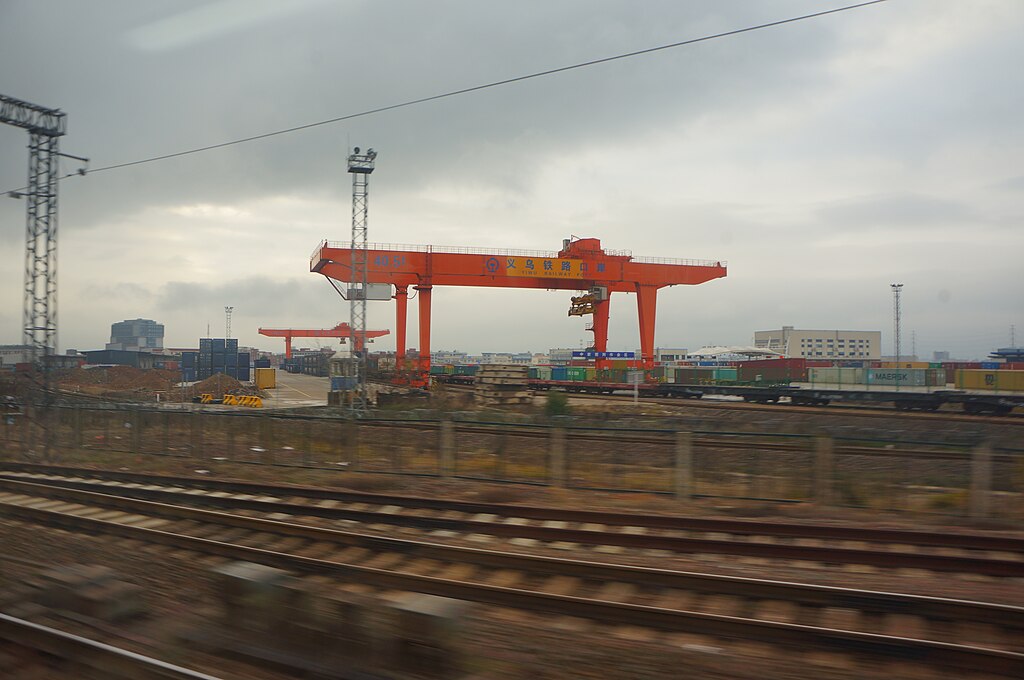
China has officially started collecting special port fees from ships that are U.S.-owned, operated, built, or flagged, marking a new escalation in the ongoing U.S.-China trade standoff. According to China’s state broadcaster CCTV, these fees took effect on Tuesday and will not apply to Chinese-built vessels, which are explicitly exempt under the new rules.
The announcement detailed specific exemptions, including ships built in China, empty ships entering Chinese shipyards for repairs, and vessels deemed eligible for exemption by authorities. The move comes as a direct countermeasure to U.S. port fees targeting China-linked vessels, introduced around the same time by the U.S. government.
China’s Ministry of Transport stated that the special port charges will be collected at the first port of entry on a single voyage or for up to five voyages within a year. The annual billing cycle will start on April 17. Failure to pay the required fees, CCTV reported, will result in the suspension of import and export procedures for the affected ships — a move that could significantly disrupt U.S.-China maritime logistics.
In response to China’s actions, U.S. President Donald Trump announced that Washington would raise tariffs on Chinese imports to 100% starting November 1. He also introduced new export controls on critical software technologies, retaliating against Beijing’s earlier decision to tighten export restrictions on rare earth minerals vital for global electronics and defense industries.
The reciprocal measures between the two global powers underscore deepening economic and geopolitical tensions, signaling that both sides are prepared to weaponize trade and logistics policies in their growing rivalry over technology, resources, and influence in global commerce.







