


 Trump, Xi Focus on Trade and AI at White House Summit
  Russian Envoy Dmitriev Heads to US for Ukraine Talks
  Judge Orders Trump to Restore White House Access for CNN, MS NOW and Politico
  Russian Missile and Drone Attack on Kyiv Kills Two, Damages Maternity Hospital
  Sudan Rejects US Legitimacy Remarks, Defends Sovereignty
  Kremlin Says No Decision Yet on Putin-Trump December Summit
  Abbas Reaffirms November 28 Palestinian Elections
  Taiwan Thanks US for Support Ahead of Trump-Xi Summit
  US Senate Rejects Iran War Powers Resolution in 50-49 Vote
  US Officials Split Over Response to Israeli West Bank Settlements
  Pezeshkian Says US Must Choose When Iran War Ends
  US Invites Putin to Miami G20, Opening Door to Trump Summit
  North Korea Rejects Nuclear Test Warning, Calls Nuclear Status Irreversible
  Netanyahu Takes Aim at Mamdani as Israel Election Nears
  Mexico-US Trade Talks Delayed to October as Tariff Negotiations Continue
  North Korea Warns South Korea Over US-Led Defense Role
  Ghana Says Western Support Growing for Slave Trade Reparations


 Add as a preferred source on Google
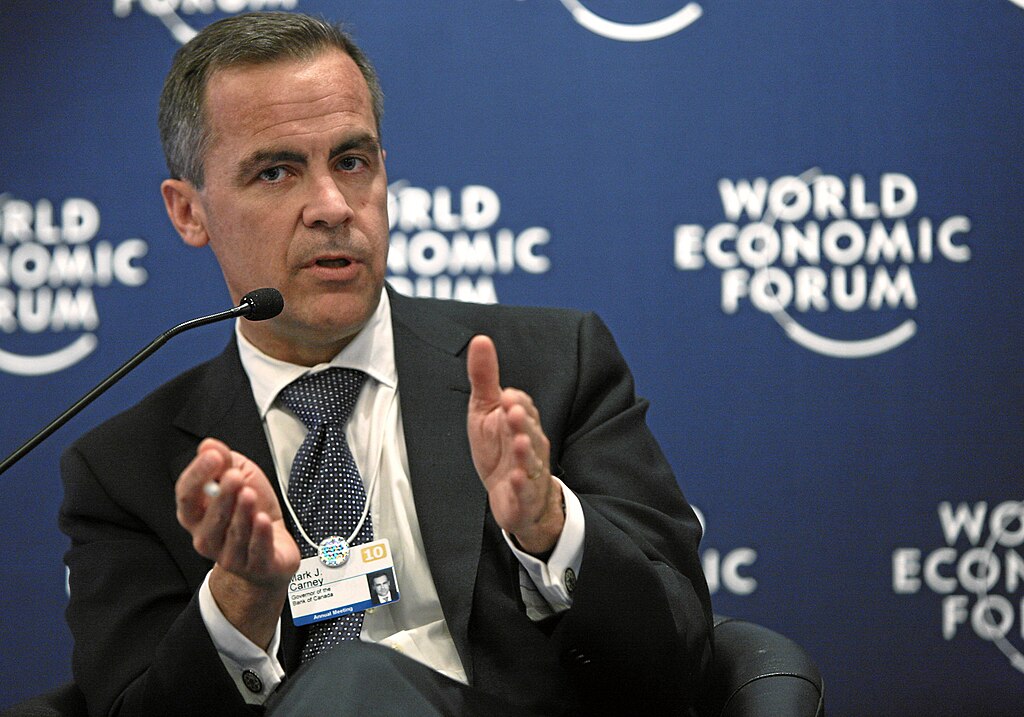
In a high-stakes French-language debate held in Montreal on April 16, Canadian Prime Minister Mark Carney and Conservative leader Pierre Poilievre faced off for the first time ahead of the April 28 federal election. The debate, seen as pivotal in shaping voter opinion in key battleground Quebec, centered on U.S. tariffs, annexation threats from President Donald Trump, and Canada’s housing and cost-of-living crises.
Carney, a former central bank chief in both Canada and the UK, emphasized his crisis-management experience, positioning himself as the best candidate to confront Trump’s aggressive trade and annexation rhetoric. He criticized Poilievre’s lack of diplomatic depth, while Poilievre attacked Carney as a continuation of former Prime Minister Justin Trudeau, blaming Liberal policies for economic decline and soaring housing prices.
“You’re just like Trudeau. We need change,” Poilievre said. Carney countered, “Mr. Poilievre is not Mr. Trudeau, and neither am I. This election is about who can succeed and face Trump.”
Both leaders vowed to take a tough stance on U.S. tariffs, but differed sharply on domestic economic strategies. Poilievre accused the Liberals of stifling natural resource development and overregulating the economy. He also slammed Carney’s record as Bank of England governor, blaming him for a surge in UK home prices.
The debate, moved to avoid conflicting with a Montreal Canadiens game, was closely watched in Quebec, which holds 78 of the 343 federal seats. Carney, though not fluent, made an effort to speak French throughout. With the separatist Bloc Québécois holding sway in the province, polls show some Bloc voters are leaning Liberal, viewing Carney as the most capable leader to navigate the Trump challenge. An English-language debate follows on Thursday.







