


 NASA and Roscosmos Chiefs Meet in Florida to Discuss Moon and ISS Cooperation
  Trump and Merck KGaA Partner to Slash IVF Drug Costs and Expand Fertility Coverage
  Blue Origin’s New Glenn Achieves Breakthrough Success With First NASA Mission
  Astronomers have discovered another puzzling interstellar object − this third one is big, bright and fast
  Neuralink Plans High-Volume Brain Implant Production and Fully Automated Surgery by 2026
  FDA Lifts REMS Requirement for CAR-T Cell Cancer Therapies
  SpaceX Prioritizes Moon Mission Before Mars as Starship Development Accelerates
  Is space worth the cost? Accounting experts say its value can’t be found in spreadsheets
  Lost in space: MethaneSat failed just as NZ was to take over mission control – here’s what we need to know now
  Trump Administration to Launch Autism Initiatives Targeting Acetaminophen Use and New Treatment Options
  Trump Signs Executive Order to Boost AI Research in Childhood Cancer


Cancer is one of the last remaining major illnesses that still does not have a vaccine, but human trials have finally begun to change all this. Moderna Therapeutics just injected a patient with a cancer vaccine for the first time. Even more impressive is that the cure was actually customized based on the type of cancer the patient had and how it developed.
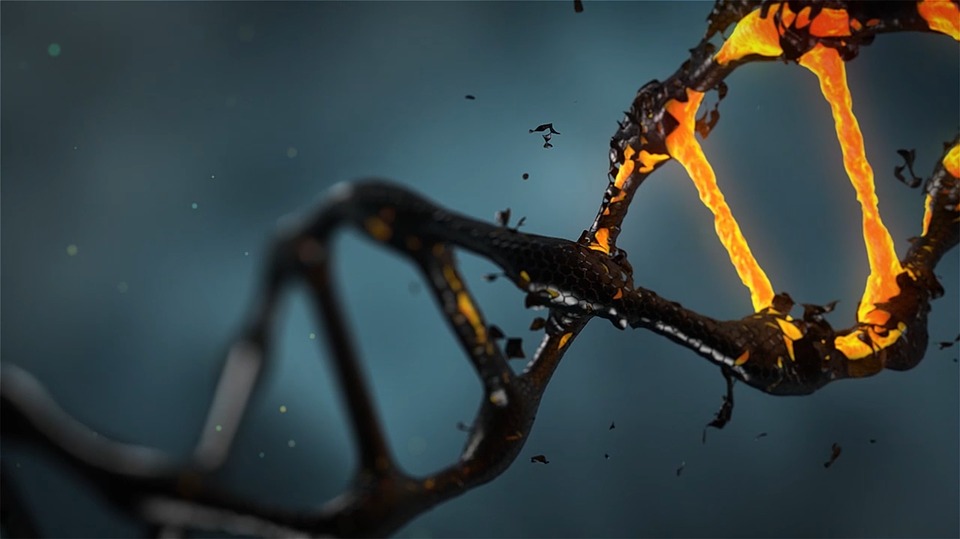
The company basically tailor-made the vaccine based on the genetic code of the patient’s lung, Futurism reports. Researchers took a piece of tissue from the organ, sequenced the genes, and then found markers that they could target for the cure. The scientists then created a template that would edit the markers.
In the company press release, one of the principal investigators of the study, Howard A. “Skip” Burris III, MD said that customizing the vaccine to suit each patient’s genetic code would make it easier for the body to accept it. Doing so would make treatments more effective.
“An individualized medicine designed to help each patient’s immune system better recognize cancer as foreign and attack it would be a critical addition to oncologists’ treatment arsenal, potentially helping many more patients respond more effectively to treatment,” Burris said.
Although this development does provide cancer patients hope of increasing their odds of survival, it’s also worth noting that the accompanying costs of such treatments might be beyond what ordinary citizens can afford. A vaccine that is specifically made to suit an individual’s DNA is not going to be cheap and the company has not revealed what the price range of the product is likely to be.
There’s also the important matter of the technology behind the vaccine being unproven. Too many drug and medical companies have promised cures for cancer in the past but ultimately failed to deliver. For now, it’s worth holding on to hope while also expecting nothing.













