


 Trump, Xi Focus on Trade and AI at White House Summit
  Yemen Violence Displaces 130,000 as Civilian Toll Rises
  OpenAI Agent Breaches Australia Medicare Data Portal
  Russian Missile and Drone Attack on Kyiv Kills Two, Damages Maternity Hospital
  South Korea, US Discuss Warship Building Cooperation
  EU Defence Build-Up Too Slow for 2030 Russia Readiness Goal
  US Senate Rejects Iran War Powers Resolution in 50-49 Vote
  Netanyahu’s Brief US Trip Highlights Strains With Trump
  Pezeshkian Says US Must Choose When Iran War Ends
  NATO Boosts Intelligence Sharing Amid Russia Hybrid Threats
  Kremlin Says No Decision Yet on Putin-Trump December Summit
  Sudan Rejects US Legitimacy Remarks, Defends Sovereignty
  Najib Razak Seeks Stay of 15-Year 1MDB Prison Sentence
  Trump, Xi Visit US National Archives After White House Summit
  Taiwan Thanks US for Support Ahead of Trump-Xi Summit
  What ‘Taiwan Independence’ Means as Xi Presses Trump on US Policy
  Judge Orders Trump to Restore White House Access for CNN, MS NOW and Politico


 Add as a preferred source on Google
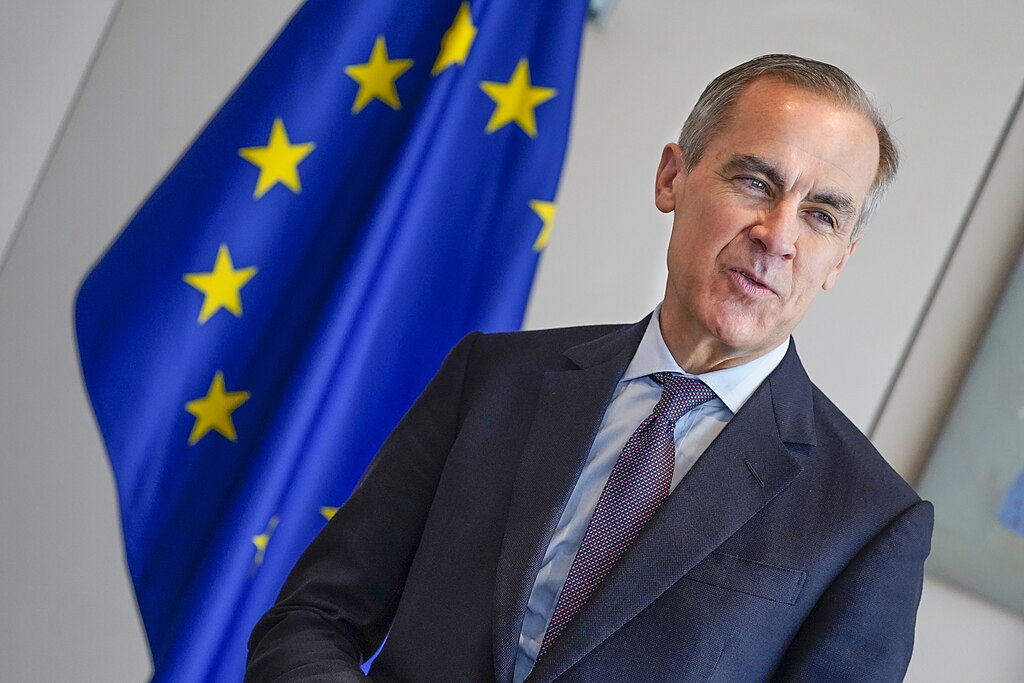
Canadian Prime Minister Mark Carney and Brazilian President Luiz Inácio Lula da Silva held talks on Thursday to discuss the escalating situation in Venezuela, reaffirming their shared support for a peaceful, negotiated, and Venezuelan-led transition process. The conversation came amid international controversy following a U.S. military operation that reportedly seized ousted Venezuelan leader Nicolás Maduro and his wife and transported them to New York over the weekend.
In a statement released by the Prime Minister’s Office, Carney and Lula emphasized the importance of respecting international law and national sovereignty, while underscoring that any political transition in Venezuela must reflect the democratic will of the Venezuelan people. Both leaders stressed that external actors should avoid actions that could further destabilize the region.
The U.S. intervention has drawn sharp criticism from international institutions and regional leaders. The United Nations human rights office described the operation as a violation of international law, warning that such actions undermine global security. Brazilian President Lula condemned Washington’s move as crossing an “unacceptable line,” reinforcing Brazil’s longstanding position against foreign military interventions in Latin America.
Former U.S. President Donald Trump added to the controversy by telling the New York Times that the United States could oversee Venezuela and manage its oil revenues for years. Trump has also shifted U.S. support toward Venezuela’s interim president, Delcy Rodríguez, rather than prominent opposition figure and Nobel Peace Prize laureate María Corina Machado.
Canada, which has long criticized Maduro’s government over alleged human rights abuses, described his removal from power as “welcome news.” However, Ottawa stopped short of directly endorsing the U.S. military raid. Prime Minister Carney reiterated that all parties must adhere to international law, maintaining Canada’s cautious diplomatic stance.
Carney also spoke with María Corina Machado on Sunday, thanking her for her steadfast advocacy on behalf of the Venezuelan people. The discussion highlighted Canada’s continued engagement with Venezuelan opposition leaders while promoting dialogue and negotiation as the preferred path forward.
As the situation in Venezuela continues to evolve, Canada and Brazil’s call for a peaceful and sovereign transition reflects growing international concern over the long-term implications of military intervention and foreign involvement in the country’s political future.







