


 DOJ Will Investigate AI-Related Crimes, Attorney General Blanche Says
  Pentagon Restarts Testosterone Testing for US Troops
  U.S. 10-Year Treasury Yield Hits 2007 High as Fed Rate Hike Bets Rise
  US Resumes Immigrant Visa Processing for Hungary, Poland
  Fed Unveils Stablecoin Rules Under GENIUS Act
  Wall Street Falls as Treasury Yields Surge, Oil Rebounds on Iran Tensions
  Trump Scales Back Endangered Species Act Protections
  U.S. Dollar Hits Two-Month High as Oil, Treasury Yields Surge
  Netanyahu Defends Israel at UN as Delegates Stage Walkout
  China Reviews Broadcom Switch Use in State Data Centres
  NATO Boosts Intelligence Sharing Amid Russia Hybrid Threats
  Asian Currencies Mixed as Dollar Holds Near Two-Month High
  Saudi Arabia Shuts East-West Oil Pipeline After Drone Attack
  Abbas Reaffirms November 28 Palestinian Elections
  FDA Weighs Safety Standards for Psychedelic Therapies
  Oil Prices Surge as U.S.-Iran Diplomacy Hopes Fade
  US Backs Musk in Fight Against EU’s €120 Million X Fine


 Add as a preferred source on Google
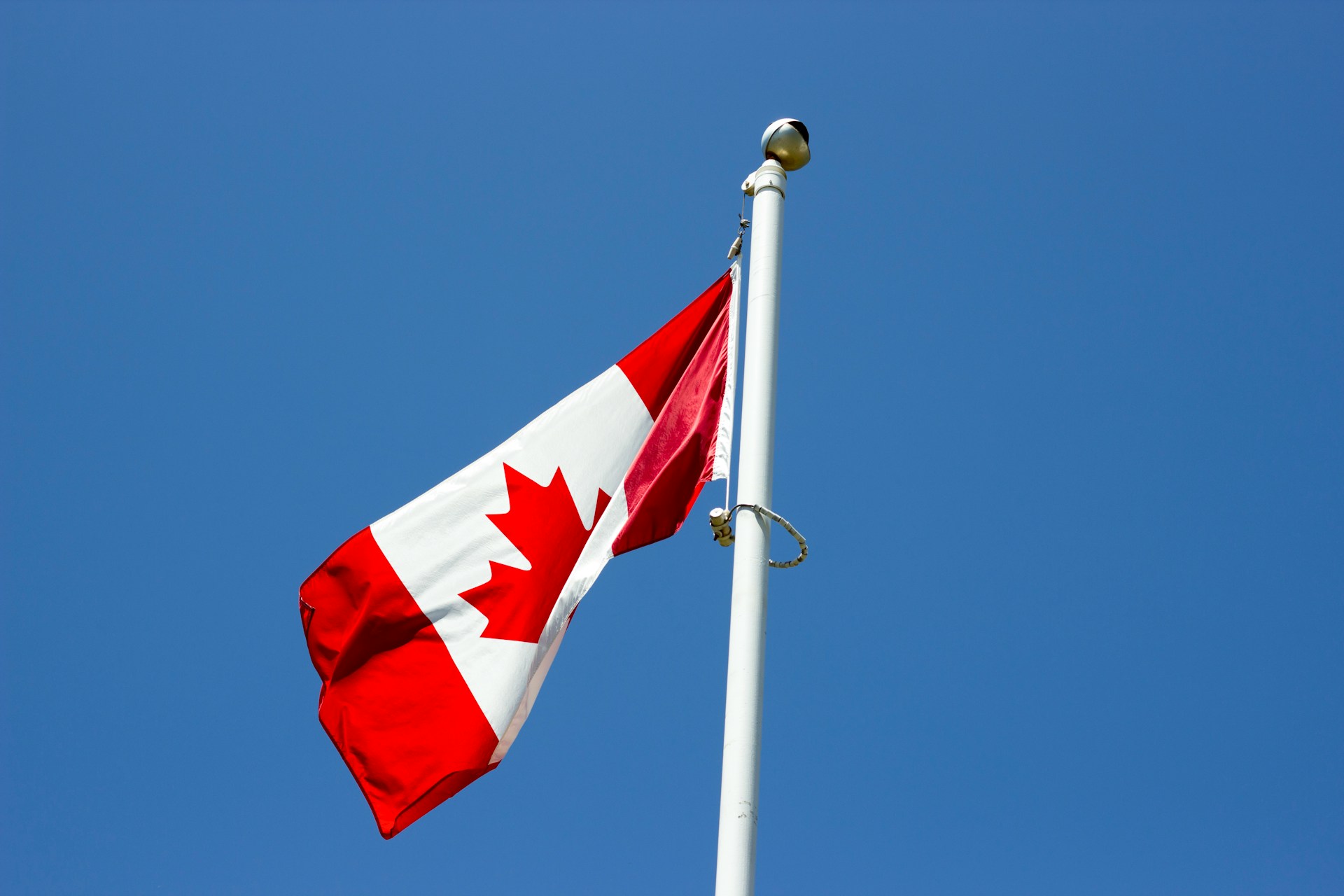
Canada’s Finance Minister François-Philippe Champagne has directed all federal ministries to identify long-term savings, reduce program spending, and reallocate funds toward key national priorities. In a joint letter with Treasury Board President Shafqat Ali, Champagne emphasized the need for financial discipline amid growing fiscal pressures.
The move aligns with Prime Minister Mark Carney’s dual goals of launching large-scale infrastructure and defense investments while also committing to a balanced operating budget by 2028-29. However, economists remain skeptical, warning that without significant cost reductions or a surge in economic growth, Canada may face persistently high deficits.
According to a senior government official, ministries have been asked to reassess their budgets, evaluate program effectiveness, and eliminate overlapping efforts with provincial and municipal governments. Departments must also identify their top three priorities and shift resources from lower-impact programs to fund these core initiatives.
The fiscal directive includes specific annual reduction targets: 7.5% cuts in 2026-27, 10% in 2027-28, and 15% in 2028-29. These measures are aimed at reshaping government operations to ensure more efficient spending while supporting strategic investments.
The finance ministry is currently preparing its fall budget, expected in early October. While no official comments have been issued yet, the move signals a shift toward leaner government operations amid rising public spending and economic uncertainty.
Originally reported by The Globe and Mail, the internal push reflects a growing urgency within Canada’s federal leadership to rein in costs while sustaining long-term investment in key sectors such as housing, infrastructure, and national defense.
This budget-tightening initiative highlights Ottawa’s commitment to fiscal responsibility and efficient governance, setting the stage for a critical fall budget announcement.







