


 Australia Tightens Student Visa Rules, Targets Migration Cut by 2028
  Macron, Trump Discuss Ukraine-Russia Energy Strike Moratorium
  Lula Meets Mamdani in New York as Elections Approach
  Trump Scales Back Endangered Species Act Protections
  Trump Sets High-Stakes UN Meetings With Zelenskiy, Gulf Leaders
  Burnham Eyes UK Leadership Role in AI Ahead of Trump Meeting
  U.S. Issues Cuba Health Alert as Illnesses Rise
  Trump Open to Pezeshkian Meeting as Iran Tensions Escalate
  Appeals Court Rejects Trump Third-Country Deportation Policy
  US Immigration Arrests Surge as Deportations Lag Behind
  US Resumes Immigrant Visa Processing for Hungary, Poland
  Canada Unveils Bill to Fast-Track Major Resource Projects
  South Korea to Brief Lawmakers on $350 Billion US Investment Package
  United Russia Leads Russia Election as Ukraine Drones Hit Moscow
  US Northeast Airports Resume Operations After Telecom Outage Disrupts Thousands of Flights
  Trump Grants Clemency to Jay-Z Associate Emory Jones
  U.S. Imposes New Visa Restrictions Over South Africa Policies


 Add as a preferred source on Google
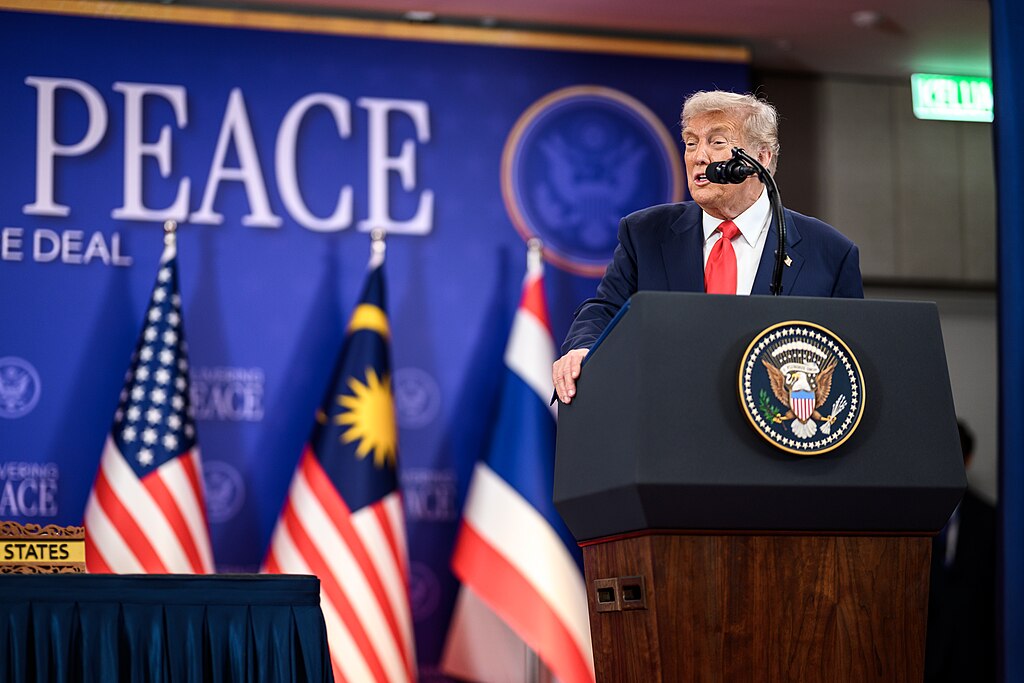
President Donald Trump has agreed to wind down the controversial immigration enforcement effort known as “Operation Metro Surge” in Minnesota, marking a rare policy reversal amid mounting protests and bipartisan criticism. The announcement was made by White House border czar Tom Homan, who confirmed that many of the immigration agents deployed to the state will return to their home jurisdictions within the coming week.
Operation Metro Surge, described by Trump as the largest deportation operation in U.S. history, brought approximately 3,000 armed immigration agents to Minnesota by late January. The move was intended to accelerate migrant deportations and strengthen public safety. However, the operation sparked intense opposition from Minnesota Governor Tim Walz, Minneapolis Mayor Jacob Frey, and thousands of residents who staged large-scale protests across major cities.
Tensions escalated after two U.S. citizens, Renee Good and Alex Pretti, were fatally shot by federal immigration agents during separate incidents in Minneapolis. The deaths deepened the political crisis surrounding the deportation surge and drew scrutiny from federal judges, who reprimanded Immigration and Customs Enforcement (ICE) officials for allegedly defying court orders related to detainee releases.
Public opinion also appeared to shift. Reuters/Ipsos polling in January indicated declining support for Trump’s immigration agenda as enforcement actions expanded nationwide. Even some Republican lawmakers voiced concerns, including Senator Rand Paul, who criticized administration officials for initially labeling the two deceased Americans as “domestic terrorists,” warning that such statements undermined public trust.
Before the surge, Minnesota had about 150 immigration agents. A week ago, Homan announced that 700 agents would be withdrawn, and he has now confirmed that additional personnel will leave. State leaders remain cautious, with ongoing investigations into federal actions during the operation.
While the administration cites improved coordination with Minnesota law enforcement, local officials argue cooperation was already in place. Community advocates say the social and economic impact of the deportation surge will linger, even as the federal presence scales back.







