


 Yes, government influences wages – but not just in the way you might think
  Can your cat recognise you by scent? New study shows it’s likely
  AI is driving down the price of knowledge – universities have to rethink what they offer
  6 simple questions to tell if a ‘finfluencer’ is more flash than cash
  BNP Paribas, KB Kookmin Eye $2 Billion Techcombank Stake
  Stuck in a creativity slump at work? Here are some surprising ways to get your spark back
  Office design isn’t keeping up with post-COVID work styles - here’s what workers really want
  Meta, U.S. States Discuss Settlement in Teen Addiction Trial
  Time to buy local: war fuel price shocks reveal the folly of a long food supply chain
  Disaster or digital spectacle? The dangers of using floods to create social media content
  What’s the difference between baking powder and baking soda? It’s subtle, but significant
  How to support someone who is grieving: five research-backed strategies
  OpenAI Data Center Chief Chris Malone Exits Ahead of Planned 2027 Listing
  The ghost of Robodebt – Federal Court rules billions of dollars in welfare debts must be recalculated
  Heritage, desire and diplomacy: why China still values scotch whisky
  Every generation thinks they had it the toughest, but for Gen Z, they’re probably right


 Add as a preferred source on Google
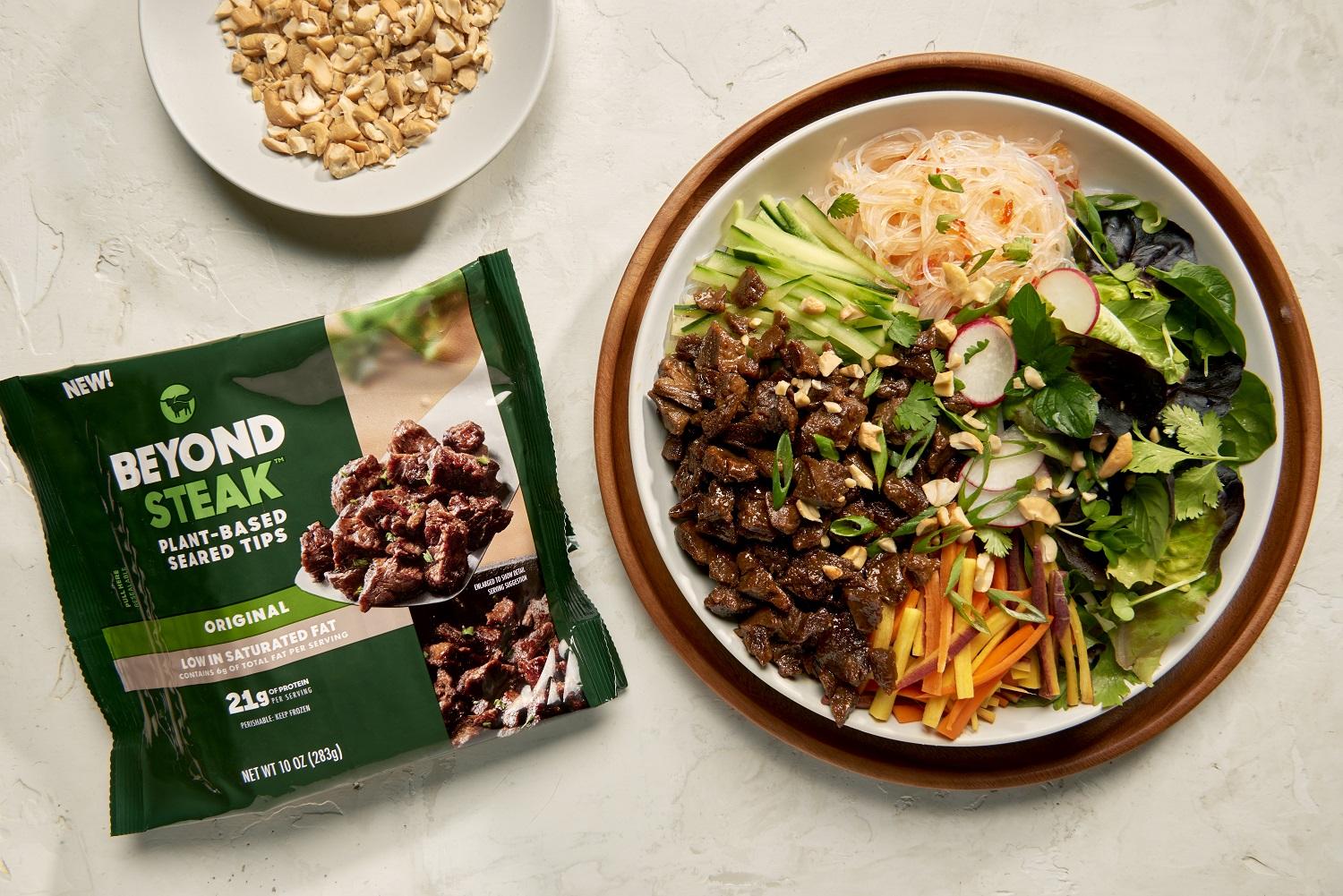
In a setback for Beyond Meat, the company reported lower-than-expected quarterly revenue and a wider loss. The sluggish demand for plant-based meat products in the United States has been a major contributing factor to the disappointing performance.
The company has been compelled to offer steeper discounts as consumers' perception of the health benefits of plant-based meat has taken a hit, as per Reuters.
Concerns Over Declining Consumer Sentiment
Street Insider reported that during the post-earnings call, Beyond Meat executives expressed their concern over the declining percentage of people in the U.S. who believe that plant-based meats are healthy. It is anticipated that the figure will drop further this year, following a 38% decline in 2022.
Such findings were based on data from the trade association Food Marketing Institute, indicating a significant challenge that the company is facing.
Net revenue for the third quarter declined by 8.7% to $75.3 million, missing analysts' average estimate of $85.4 million. Despite this downturn, the company managed to achieve an improvement in gross margins thanks to easing input costs, including manufacturing, materials, and logistics expenses. Nonetheless, Beyond Meat's shares have experienced a sharp decline of nearly 45% year-to-date.
Beyond Meat's CEO, Ethan Brown, expressed disappointment with the overall results, noting that the company continues to face headwinds both within the plant-based meat sector and from broader consumer sentiment. The weakening demand and higher discounts have particularly impacted retail volume in the U.S., which fell by 18.8% in the reported quarter.
According to Rachel Wolff, a senior analyst at Insider Intelligence, American consumers have been somewhat reluctant to embrace plant-based protein alternatives like Beyond Meat due to taste and flavor concerns. Shoppers' standards for these products have not yet been fully met, resulting in a slow adoption rate in the market.
Revised Revenue Forecast and Cost-Reduction Plan
Earlier this month, Beyond Meat revised its annual revenue forecast, reflecting the challenging market conditions. As part of the effort to mitigate the impact of the downturn, the company also announced additional job cuts as part of a comprehensive cost-reduction plan.
For the period ended September 30, Beyond Meat reported a loss of $1.09 per share, surpassing market expectations of a loss of 89 cents per share. This indicates the magnitude of the challenges the company has been facing in recent months.
Despite the domestic challenges, Beyond Meat has experienced positive momentum in international retail and food service net revenues. While the company continues to explore opportunities abroad, the soft demand and higher discounts in the U.S. remain areas of concern.
Photo: Beyond Meat Newsroom







