


 BOJ Policymakers Warn Weak Yen Could Fuel Inflation Risks and Delay Rate Action
  U.S.-India Trade Framework Signals Major Shift in Tariffs, Energy, and Supply Chains
  Vietnam’s Trade Surplus With US Jumps as Exports Surge and China Imports Hit Record
  Thailand Inflation Remains Negative for 10th Straight Month in January
  U.S. Stock Futures Edge Higher as Tech Rout Deepens on AI Concerns and Earnings
  RBI Holds Repo Rate at 5.25% as India’s Growth Outlook Strengthens After U.S. Trade Deal
  Bank of Canada Holds Interest Rate at 2.25% Amid Trade and Global Uncertainty
  Asian Markets Slip as AI Spending Fears Shake Tech, Wall Street Futures Rebound
  ECB’s Cipollone Backs Digital Euro as Europe Pushes for Payment System Independence
  MAS Holds Monetary Policy Steady as Strong Growth Raises Inflation Risks
  Bank of England Expected to Hold Interest Rates at 3.75% as Inflation Remains Elevated
  RBA Raises Interest Rates by 25 Basis Points as Inflation Pressures Persist


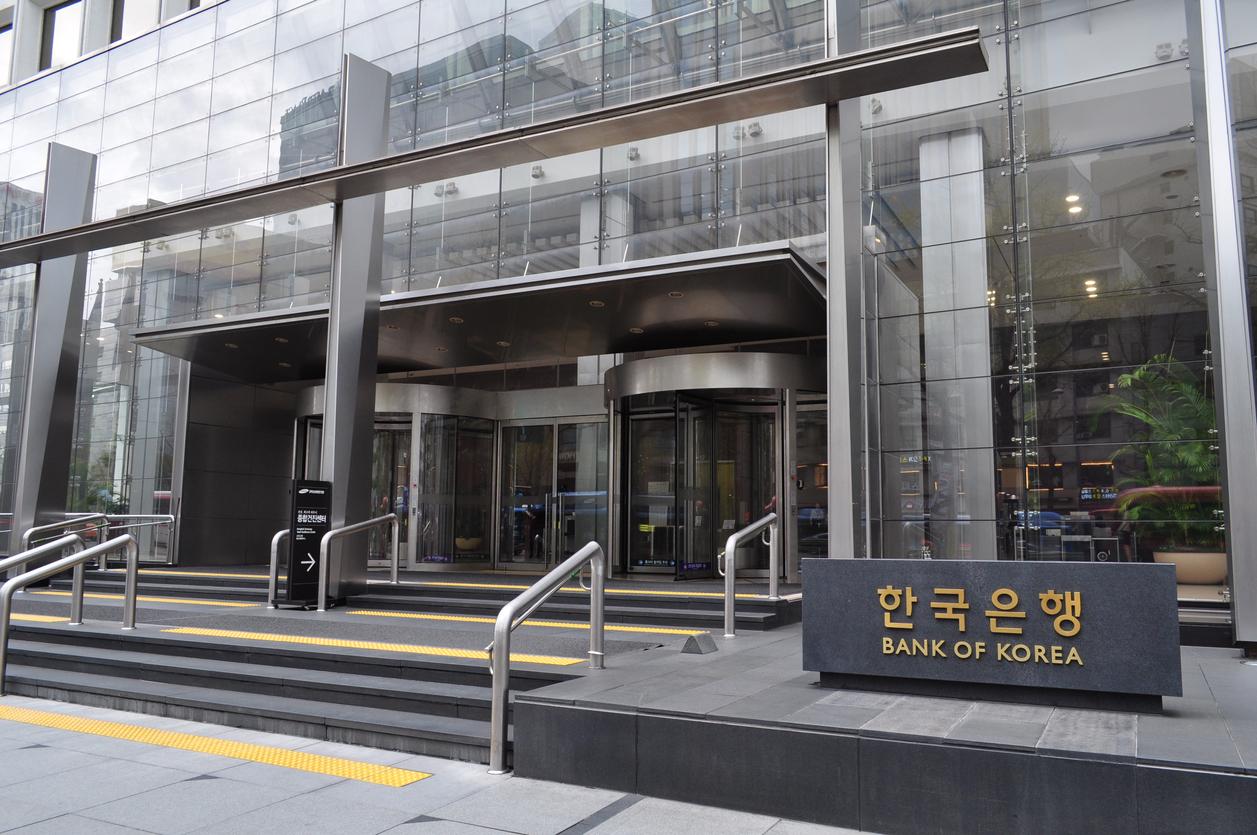
The Bank of Korea (BOK) is widely expected to cut its key interest rate by 25 basis points to 2.75% on Tuesday to support South Korea’s sluggish economy. A Reuters poll of 36 economists found that all but one anticipate the rate cut, with additional easing likely later this year.
After holding rates steady last month, the BOK signaled caution due to political uncertainties and currency volatility. However, with the Korean won rebounding 2.5% against the U.S. dollar this year and inflation at 2.2%, close to the central bank’s 2% target, policymakers now have room to stimulate growth.
South Korea’s economy, heavily reliant on semiconductor exports, faces mounting risks from weaker consumer sentiment, slowing exports, and geopolitical uncertainties. U.S. trade policies, particularly potential tariff actions, could further impact economic performance.
A strong majority of economists—32 out of 35—predict another 25-basis-point cut to 2.50% in Q2, followed by a possible reduction to 2.25% in Q3. Despite expectations that the U.S. Federal Reserve may cut rates only once in June, analysts believe the BOK has greater flexibility to ease monetary policy.
“The BOK is acknowledging the economy’s widening negative output gap,” said Stephen Lee, chief economist at Meritz Securities. “As long as FX volatility remains controlled, further rate cuts are likely.”
With growth expected to slow beyond the previously estimated 1.9% this year, the BOK is under pressure to act. Analysts expect rates to remain at 2.25% in Q4, aligning with earlier forecasts.
Market watchers will closely monitor the central bank’s policy stance as South Korea navigates economic headwinds.













