


 SpaceX Eyes Starlink Mobile Phone Service to Challenge Verizon, AT&T, and T-Mobile
  China Keeps Loan Prime Rates Unchanged for 13th Straight Month as Policymakers Prioritize Credit Demand Recovery
  Iran Attack in Strait of Hormuz Pushes Oil Prices Higher
  BOJ Raises Interest Rates to 31-Year High, Signals Strong Focus on Inflation Risks
  Wall Street Ends Mixed as Tech Stocks Struggle Ahead of Micron Earnings
  South Korea’s KOSPI Plunges as Apple Price Hikes and OpenAI IPO Delay Shake AI Chip Stocks
  South Korea Remains MSCI Emerging Market Despite Reform Progress
  Indonesia Central Bank to Draft New Regulations After Expanded Economic Growth Mandate
  South Korea’s KOSPI Jumps Over 5% as Samsung, SK Hynix Rally on Micron Earnings Boost
  Asian Currencies Trade Mixed as Yen Hovers Near 40-Year Low, Dollar Holds Firm on Fed Outlook
  Oil Prices Drop as Strait of Hormuz Shipping Recovers
  Taiwan Central Bank Likely to Keep Interest Rates Unchanged Through 2027
  BOJ Signals More Rate Hikes as Inflation Risks Rise Amid Energy Price Pressures
  Japan Signals Preference for Low Interest Rates as BOJ Policy Debate Intensifies
  White House Seeks $87.6 Billion Emergency Funding for Iran War, Farmers, and Ebola Response


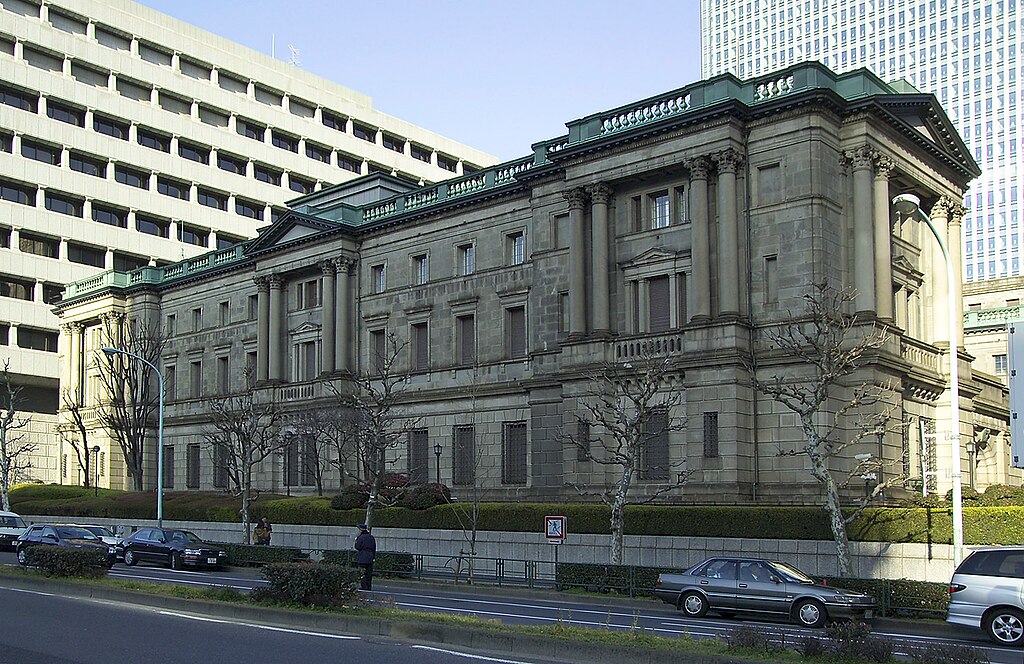
Bank of Japan Governor Kazuo Ueda reaffirmed on Thursday that Japan's real interest rates remain firmly in negative territory, signaling that the country's financial conditions continue to support economic growth. His remarks, delivered before parliament, highlighted the central bank's commitment to sustaining a monetary environment that encourages private sector investment.
Ueda acknowledged a potential concern surrounding increased government fiscal spending, noting that higher public expenditure could theoretically push up market interest rates and squeeze out private investment — a phenomenon economists commonly refer to as "crowding out." However, he was quick to point out that current conditions do not warrant alarm, as both short- and medium-term real interest rates in Japan are clearly negative, keeping borrowing costs effectively low for businesses and households alike.
The governor emphasized that these accommodative financial conditions are already producing tangible results, pointing to a moderate but steady upward trend in private capital expenditure. This suggests that Japanese businesses are responding positively to the low-rate environment by ramping up spending on equipment, infrastructure, and expansion — a key driver of long-term productivity and economic resilience.
Ueda's comments come at a time when global central banks are navigating complex trade-offs between controlling inflation and sustaining growth. Japan, historically battling deflationary pressures, has maintained an ultra-loose monetary policy stance for years. The central bank's ongoing commitment to negative real rates reflects a deliberate strategy to stimulate domestic demand and support wage growth without tightening prematurely.
For investors and market watchers, Ueda's parliamentary remarks reinforce expectations that the Bank of Japan will proceed cautiously with any policy normalization. As long as real rates remain negative and private investment continues its upward momentum, a significant shift in monetary policy direction appears unlikely in the near term.







