


 Wall Street Ends Flat as Oil, Treasury Yields and Fed Jitters Rattle Markets
  US Dollar Hits Two-Month High as Fed Rate Hike Bets Rise
  Gold Drops Over 1% as Dollar, Treasury Yields Surge on Fed Rate Hike Bets
  Fed Rate Hike Threatens Housing as U.S. Growth Leans on AI, Citi Says
  US 10-Year Treasury Yield at 6% Emerges as New Market Risk Threshold
  RBI Uses $10 Billion Currency Swaps to Drain Excess Rupee Liquidity
  Fed Unveils Stablecoin Rules Under GENIUS Act
  JPMorgan Sees ECB Raising Rates to 2.75% in December
  Oil Prices Surge as U.S.-Iran Diplomacy Hopes Fade
  European Stocks Slip as Iran Tensions Offset Strong Eurozone Data
  Gold Prices Fall as Treasury Yields Rise on Fed Rate Hike Bets
  Central Banks Could Buy 20,000 Tonnes of Gold: BofA


 Add as a preferred source on Google
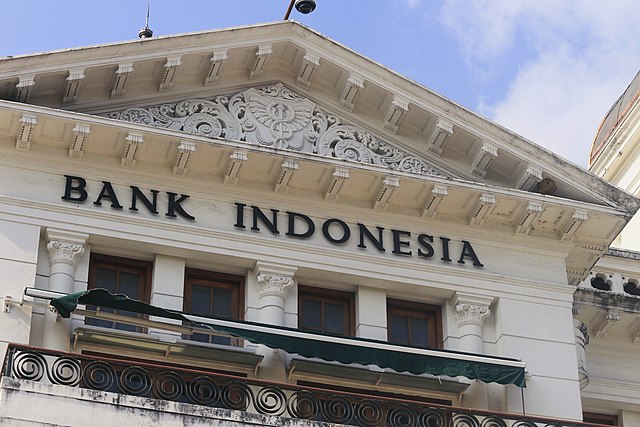
Indonesia’s central bank, Bank Indonesia (BI), is set to prepare new technical regulations following the approval of a major financial system law that significantly expands its mandate. The move comes after Indonesia’s parliament passed legislation aimed at strengthening the central bank’s role in supporting economic growth, job creation, and broader development goals.
According to BI spokesperson Ramdan Denny Prakoso, the central bank supported the new law and actively provided input during the legislative process. He stated that Bank Indonesia will formulate the necessary implementing regulations once the law is officially enacted.
The newly approved financial system law broadens BI’s responsibilities beyond its traditional objectives of maintaining price stability and safeguarding the rupiah’s exchange rate. Under the revised framework, the central bank is now explicitly tasked with supporting real-sector growth, creating employment opportunities, and contributing to sustainable economic development.
The legislation aligns with President Prabowo Subianto’s ambitious economic agenda, which targets 8% GDP growth by 2029. However, the law has also triggered concerns among economists and investors regarding the future independence of Indonesia’s central bank.
Market observers have expressed caution over provisions that grant parliament greater authority to evaluate financial institutions and issue binding recommendations. Additional scrutiny has focused on changes to the mechanism governing the removal of Bank Indonesia’s board members, raising questions about potential political influence over monetary policy decisions.
Investor concerns have intensified amid fears that increased oversight could interfere with the central bank’s ability to independently manage inflation, interest rates, and currency stability while supporting the government’s growth objectives.
Despite these concerns, Bank Indonesia emphasized its commitment to maintaining economic stability. The central bank said it will continue implementing a balanced policy mix designed to preserve financial stability, support sustainable economic growth, and strengthen cooperation with both the government and parliament.
As Indonesia moves forward with the new financial system framework, market participants will closely monitor how the central bank adapts its policies and regulations under its expanded mandate.







