


 Nanya Technology Shares Surge 10% After $2.5 Billion Private Placement from Sandisk and Cisco
  Brazil Meat Exports Weather Iran War Disruptions With Rerouted Shipments
  Google's TurboQuant Algorithm Sends Memory Chip Stocks Tumbling
  Xiaomi's AI Model "Hunter Alpha" Mistaken for DeepSeek's Next Release
  Lynas Rare Earths Signs Vietnam Deal with LS Eco Energy to Boost Magnet Metal Production
  Unilever and Magnum Face Defamation Lawsuit Over Ben & Jerry's Board Chair Dismissal
  OpenAI Pulls the Plug on Sora, Ending $1 Billion Disney Partnership
  Cyberattack on Stryker Triggers U.S. Government Warning Over Microsoft Intune Security
  Meta Ties Executive Pay to Aggressive Stock Price Targets in Major Retention Push
  Bank of America's $72.5M Epstein Settlement: What You Need to Know
  Reflection AI Eyes $25 Billion Valuation in Massive $2.5 Billion Funding Round
  Trump White House Unveils National AI Policy Framework for Congress
  Palantir's Maven AI Earns Pentagon "Program of Record" Status, Reshaping Military AI Strategy
  Chinese Universities with PLA Ties Found Purchasing Restricted U.S. AI Chips Through Super Micro Servers
  Rio Tinto's Resolution Copper Mine: U.S. Smelting Challenges and Global Operations Update
  Apple Defies China's Smartphone Slump with Strong Early 2026 Sales
  Nintendo Switch 2 Production Cut as Holiday Sales Miss Targets


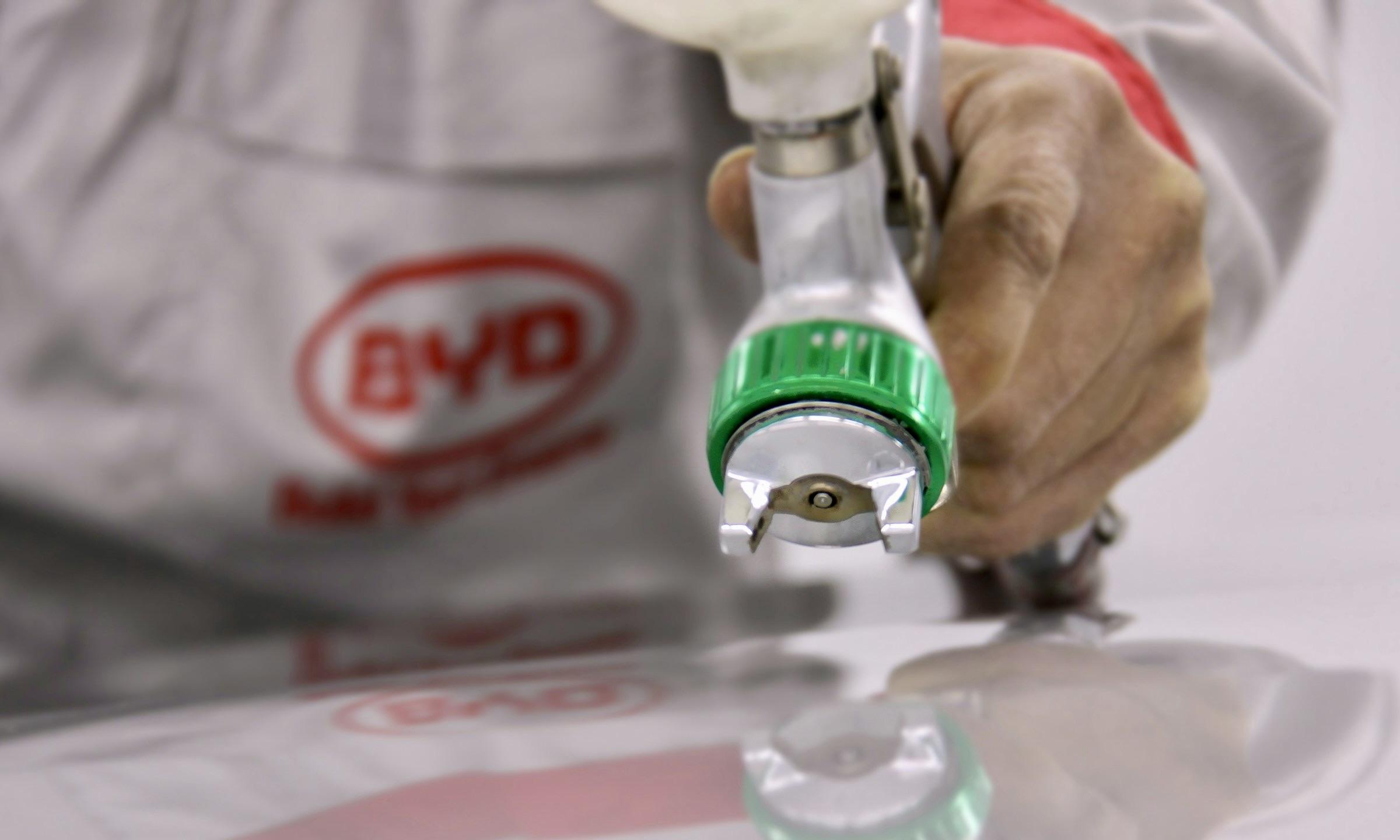
BYD plans to invest $1 billion in an electric vehicle plant in Turkey, pushing forward its global expansion efforts.
BYD's Strategic Move into Turkey's EV Market
BYD is gearing up to construct a huge electric vehicle (EV) factory in Turkey, with plans to invest $1 billion. The announcement follows BYD's first manufacturing opening in Thailand, with further locations planned in Mexico and Brazil as the company pushes into international markets.
Recep Tayyip Erdogan, president of Turkey, is slated to make the official announcement about the accord on Monday. The plant will be constructed in the province of Manisa, and officials there informed Bloomberg that a ceremony will be held there.
BYD Confident Despite EU's New Tariffs on Chinese EVs
Electrek reports that a new round of tariffs imposed by the European Union on Chinese electric vehicle imports may not be a problem for BYD's new factory. The European Union slapped more taxes on Chinese electric vehicles this week, with rates reaching 38.1%.
Even though BYD was a part of it, it was at the bottom with a 17.4% premium. There will be a rate increase of up to 48.1% for competitors like SAIC, who will receive an additional 38.1% in tasks.
With the "EU premium" helping to boost profits on certain EVs in Europe compared to China, BYD is certain it can weather the additional tariffs.
Each Seal U model sold in the EU generates approximately 14,300 euros ($15,360) for BYD, according to research by Rhodium Group. Approximately 1,300 euros ($1,400) comes in from sales in China. The study acknowledges that a tariff increase of 50% or more would have an effect, but it might have an even greater negative impact on European automakers.
Turkey's Tariff Reductions Open Doors for BYD
Last week, Turkey loosened tariffs in an effort to attract investments, including those from BYD. A substantial opportunity presented itself to the Chinese EV manufacturer in Turkey this past year, as electric cars made up 7.5% of new vehicle sales.
As of Thursday, BYD has opened its first facility in Thailand; now, it is expanding to Turkey with a new electric vehicle plant. Thailand is rapidly transitioning to electric vehicles, with BYD being the country's best-selling brand.
By 2030, Thailand plans to have 30% of its vehicles electrified. Almost half of Thailand's electric vehicle sales are BYDs. With a 9% share, it is also the third biggest passenger automobile brand. However, officials are looking into it because of a recent price reduction of around $10,000.
Additional electric vehicle (EV) assembly plants in Mexico and Brazil will soon be revealed by BYD. With factories in important worldwide markets, BYD aims to speed up its expansion abroad.
Photo: Mohammad Fathollahi/Unsplash







