


 Trump, Xi Visit US National Archives After White House Summit
  NATO Boosts Intelligence Sharing Amid Russia Hybrid Threats
  Trump Asks Supreme Court to Restore Third-Country Deportations
  Ghana Says Western Support Growing for Slave Trade Reparations
  France Defends Netanyahu Airspace Clearance Despite ICC Warrant
  North Korea Rejects Nuclear Test Warning, Calls Nuclear Status Irreversible
  Trump, Xi Focus on Trade and AI at White House Summit
  Netanyahu Takes Aim at Mamdani as Israel Election Nears
  Ukrainian Drone Attacks Hit Russian Regions, Injuring at Least 12
  EU Defence Build-Up Too Slow for 2030 Russia Readiness Goal
  Najib Razak Seeks Stay of 15-Year 1MDB Prison Sentence
  US Backs Musk in Fight Against EU’s €120 Million X Fine
  Yemen Violence Displaces 130,000 as Civilian Toll Rises
  Abbas Reaffirms November 28 Palestinian Elections
  North Korea Warns South Korea Over US-Led Defense Role
  Mexico-US Trade Talks Delayed to October as Tariff Negotiations Continue
  Judge Orders Trump to Restore White House Access for CNN, MS NOW and Politico


 Add as a preferred source on Google
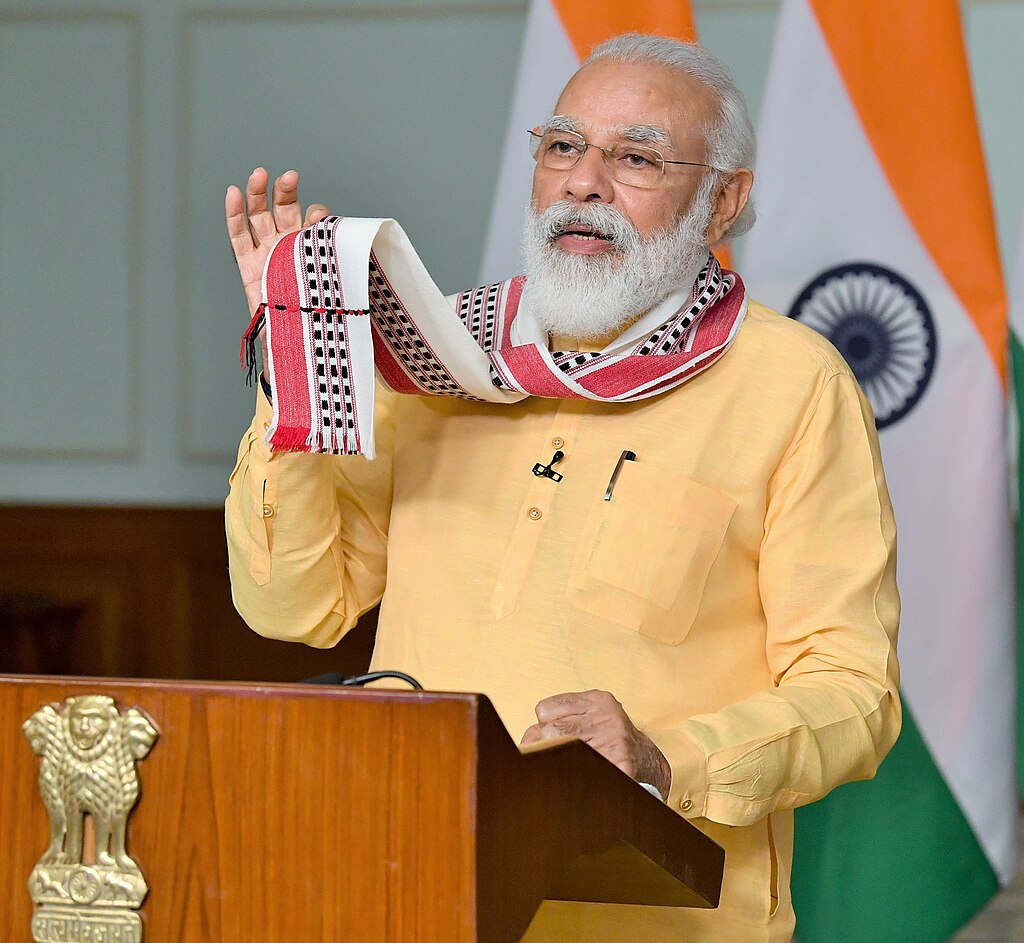
Leaders of the expanding BRICS group gathered in Rio de Janeiro on Sunday, urging reform of Western-dominated global institutions and positioning the bloc as a champion of multilateralism amid growing geopolitical fragmentation. As divisions continue to undermine the effectiveness of forums like the G7 and G20, BRICS nations—now including Egypt, Ethiopia, Indonesia, Iran, Saudi Arabia, and the UAE—are leveraging their growing clout to influence global governance.
Brazilian President Luiz Inacio Lula da Silva stressed the need for emerging economies to protect the multilateral trade system and overhaul international financial institutions. He noted that BRICS now accounts for more than 50% of the global population and 40% of the world’s economic output.
This year’s summit is the first to include Indonesia as a full member. Despite some absences—Chinese President Xi Jinping sent his premier, and Russian President Vladimir Putin is attending virtually due to an ICC arrest warrant—the meeting draws key leaders like India’s Narendra Modi and South Africa’s Cyril Ramaphosa.
Over 30 countries have shown interest in joining or partnering with BRICS, reflecting the bloc’s rising appeal. However, the group’s growing diversity presents challenges, particularly in reaching consensus on sensitive issues such as the Israel-Iran conflict, the Gaza crisis, and Security Council reform. Negotiators reportedly endorsed seats for Brazil and India but postponed selecting an African representative.
The summit also serves as a platform for climate cooperation, with China and the UAE showing interest in Brazil’s proposed Tropical Forests Forever Facility. As BRICS expands, it continues to critique U.S. protectionist policies under President Donald Trump, emphasizing the need for a fairer, more inclusive global order.







