


 China Holds Loan Prime Rates Steady in January as Market Expectations Align
  Bank of England Expected to Hold Interest Rates at 3.75% as Inflation Remains Elevated
  Bank of Canada Holds Interest Rate at 2.25% Amid Trade and Global Uncertainty
  Japanese Pharmaceutical Stocks Slide as TrumpRx.gov Launch Sparks Market Concerns
  Gold and Silver Prices Rebound After Volatile Week Triggered by Fed Nomination
  China Extends Gold Buying Streak as Reserves Surge Despite Volatile Prices
  Australia’s December Trade Surplus Expands but Falls Short of Expectations
  Trump Lifts 25% Tariff on Indian Goods in Strategic U.S.–India Trade and Energy Deal
  U.S. Stock Futures Slide as Tech Rout Deepens on Amazon Capex Shock
  Asian Stocks Slip as Tech Rout Deepens, Japan Steadies Ahead of Election
  Oil Prices Slip as U.S.–Iran Talks Ease Supply Disruption Fears
  Japan Economy Poised for Q4 2025 Growth as Investment and Consumption Hold Firm
  BOJ Policymakers Warn Weak Yen Could Fuel Inflation Risks and Delay Rate Action


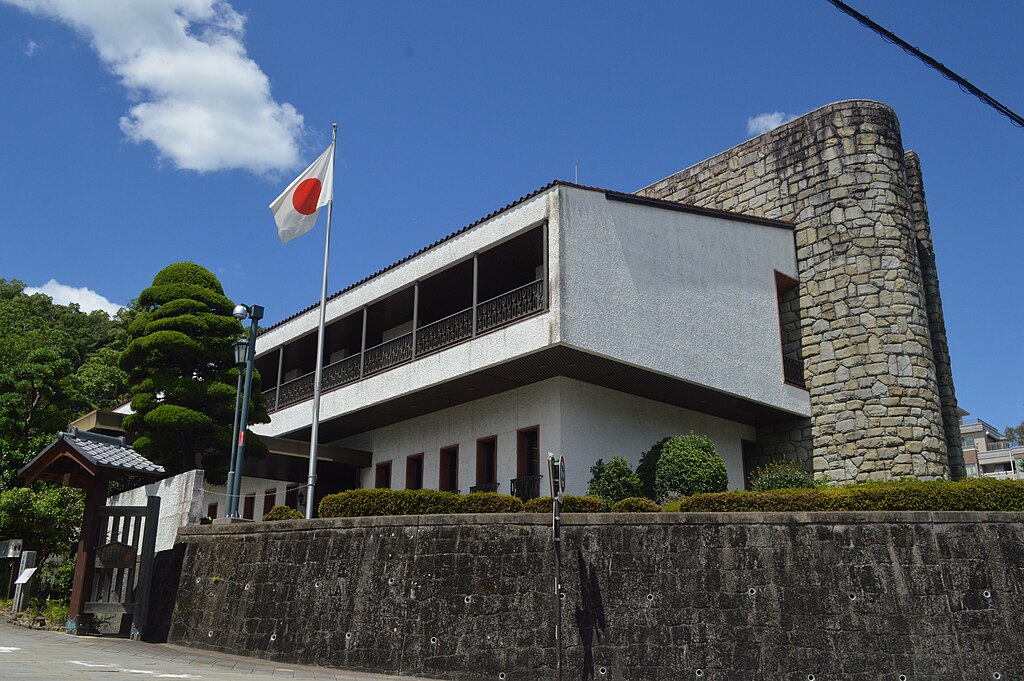
The Bank of Japan (BOJ) is laying the groundwork for a potential interest rate hike, signaling growing concern that persistent food price increases could fuel broader inflation. In its latest quarterly outlook, the BOJ explicitly warned for the first time that rising food costs—once viewed as temporary—may trigger “second-round effects,” as companies pass on higher raw material, labor, and distribution costs to consumers.
BOJ Governor Kazuo Ueda said Japan is making progress toward its 2% inflation target, with the current policy rate at 0.5% still “very low.” He noted that rate hike decisions will depend on the likelihood of underlying inflation reaching that level, rather than waiting for it to firmly settle at 2%. While markets interpreted Ueda’s post-meeting comments as dovish, analysts see the report as a clear signal that every policy meeting from now could be “live.”
The central bank has also shifted to a more neutral inflation outlook, dropping the term “extremely” when describing uncertainty over U.S. trade policy and revising inflation forecasts upward. The easing of trade tensions following Japan’s July agreement with the U.S. and reduced fears of a “cliff-edge” economic downturn have contributed to renewed policy flexibility.
Japan’s consumer inflation has stayed above target for over three years, and food price pressures are intensifying. In August, prices rose for over 1,000 food and beverage items, with more than 3,000 expected to increase in October, according to Teikoku Databank.
A Reuters poll shows most economists expect a rate hike by year-end, with markets pricing a 54% chance in October and 71% in December. Analysts say the BOJ is cautious but increasingly confident in the economy’s ability to sustain inflation, setting the stage for a potential move in the coming months.













