


 Bank Regulation Rollbacks in the U.S. and UK Could Increase Financial Risks, Study Warns
  Australia Jobs Growth Strengthens Rate Hike Outlook
  Gold Price Ends Lower for Fourth Week Despite Rebound as Fed Rate Hike Bets Strengthen
  Australian Household Spending Rebounds Strongly in May as Travel and Dining Drive Consumer Growth
  South Korea Signals Possible Interest Rate Hike as Inflation Remains Elevated
  Asian Markets Rally as Micron and Qualcomm AI Outlook Lifts Global Tech Stocks
  SpaceX Eyes Starlink Mobile Phone Service to Challenge Verizon, AT&T, and T-Mobile
  BOJ Hawk Signals Faster Interest Rate Hikes Amid Inflation Risks
  Trump Requests $11 Billion More in Farm Aid as Rising Costs Pressure U.S. Farmers
  Morgan Stanley Sees Chinese Auto Market Recovery Gaining Momentum in Late Summer
  Japan Signals Preference for Low Interest Rates as BOJ Policy Debate Intensifies


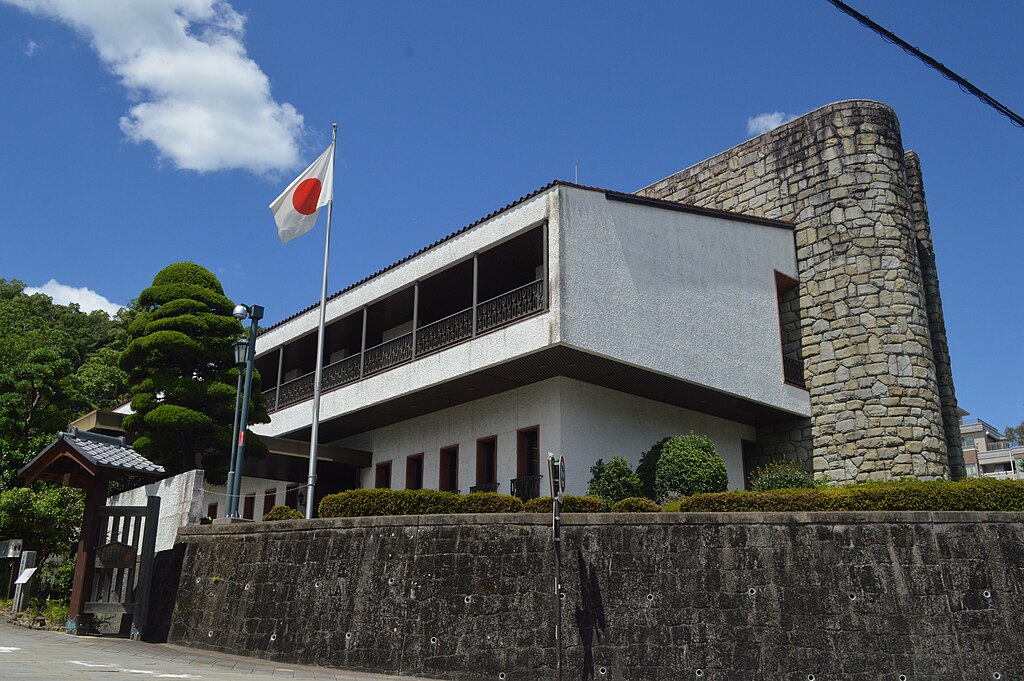
The Bank of Japan is widely expected to raise interest rates by 25 basis points to 0.75% at its December 18–19 meeting, according to a new Reuters poll that shows growing confidence in the central bank’s shift away from ultra-loose monetary policy. The survey, conducted from December 2–9, found that 90% of economists now anticipate a December rate hike—up sharply from 53% in last month’s poll—reflecting increased concern over persistent inflation and a weakening yen.
A majority of analysts also expect the BOJ to lift rates to at least 1% by the end of September 2025, signaling a gradual but steady tightening path. Prime Minister Sanae Takaichi’s government is expected to tolerate the move as wage pressures, cost-push inflation, and currency volatility continue to shape Japan’s economic outlook.
BOJ Governor Kazuo Ueda has previously emphasized that next spring’s labor-management wage negotiations will heavily influence monetary policy decisions. With the latest Tankan survey providing additional data, economists believe the central bank now has enough evidence to justify its first rate increase since January.
Despite expectations of tighter policy, the long-term rate outlook remains modest. The median forecast for end-2026 holds at 1%, although a small number of economists predict a rise to 1.25%. Some analysts argue the current policy rate remains below neutral, suggesting the BOJ may maintain a tightening stance to normalize monetary conditions.
The poll also revealed skepticism over the government’s plan to finance a supplementary budget primarily through new debt, a move many economists say has contributed to upward pressure on long-dated Japanese government bond yields, which recently hit an 18-year high.
Wage growth remains a key uncertainty. Most economists do not expect next year’s wage increases to exceed this year’s 5.25% jump, citing global economic risks, including U.S. President Donald Trump’s tariff policies and strained Japan–China relations. Many expect wage gains to cool slightly as inflation shows signs of moderating, even as labor shortages continue to support upward pressure on pay.







