


 Australia Defends Social Media Algorithm Law Amid US Concerns
  China Tightens Fentanyl Rules Ahead of Trump-Xi Summit
  Macron Challenges Trump’s Gaza Peace Claims at UN
  Russian Strikes Kill Eight Across Ukraine as Energy Sites Hit
  Trump Administration Plans Faster FDA Reviews for Smoke-Free Nicotine Products
  Venezuela Promises Elections as Delcy Rodriguez Pledges Democratic Transition
  Taiwan Vows to Advance US Arms Sales Ahead of Trump-Xi Meeting
  US Invites Putin to Miami G20, Opening Door to Trump Summit
  Who should own the knowledge that underpins AI technology?
  US Judge Dismisses Imran Ahmed Deportation Lawsuit
  FAA Allows Boeing to Sell 35 More 777F Freighters Beyond 2028
  Taiwan Thanks US for Support Ahead of Trump-Xi Summit
  Kremlin Says No Decision Yet on Putin-Trump December Summit
  Trump Says ‘Freedom’ Is Coming to Cuba
  South Korea, US Discuss Warship Building Cooperation
  Zelenskiy Warns Russia Preparing Major Attack on Ukraine
  Russian Envoy Dmitriev Heads to US for Ukraine Talks


 Add as a preferred source on Google
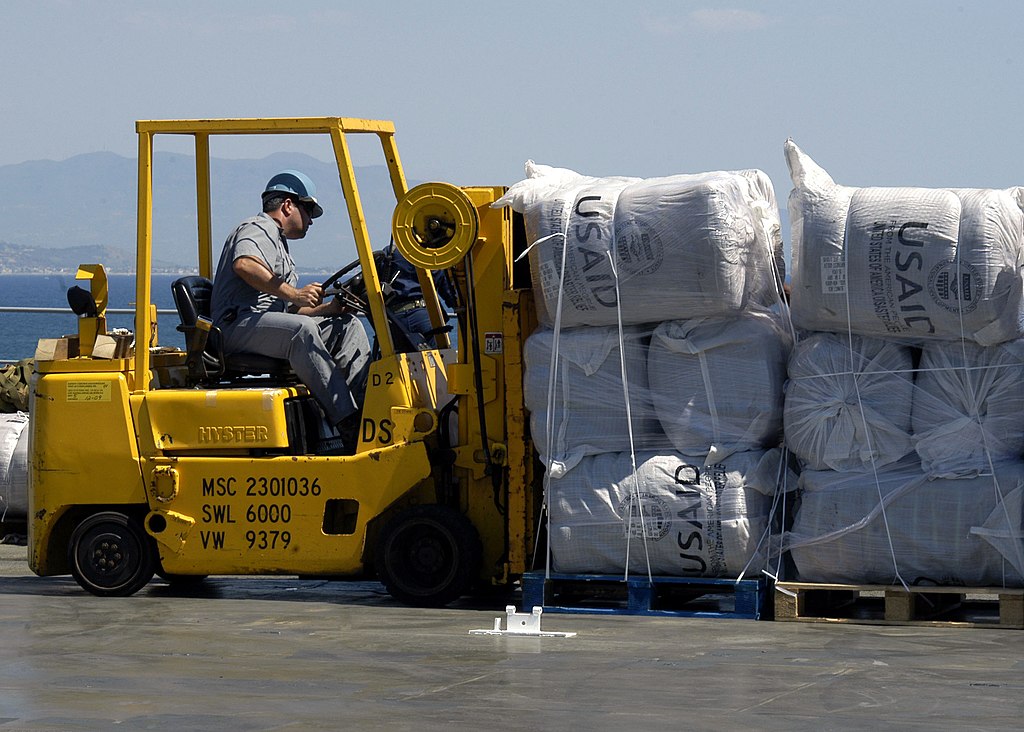
Australia is set to review the effects of U.S. President Donald Trump's budget cuts to the U.S. Agency for International Development (USAID) on Southeast Asia and the Pacific, Bloomberg News reported.
According to government officials, Australia aims to identify potential funding gaps resulting from the USAID reductions. The review will assess how these cuts could impact regional stability, economic development, and humanitarian efforts. Southeast Asia and the Pacific rely on U.S. aid for infrastructure projects, disaster relief, and health programs, making the reductions a critical concern for policymakers.
Australia has long been a key player in supporting regional development and security, and the potential decline in U.S. funding could shift the dynamics of international assistance. Analysts suggest that any significant shortfall may push nations in the region to seek alternative sources of aid, potentially increasing China’s influence.
As geopolitical competition intensifies, Australia is expected to evaluate its role in bridging funding gaps and maintaining regional partnerships. The move underscores the country’s commitment to fostering economic growth and stability in the Indo-Pacific amid shifting global priorities.
The USAID budget cuts are part of broader U.S. policy changes under Trump's administration, emphasizing domestic spending over foreign aid. While Washington’s decision aligns with its "America First" agenda, it raises concerns among allies about the long-term impact on global development initiatives.
Australia's review could shape future diplomatic strategies and economic policies, ensuring continued support for its regional allies while navigating the evolving geopolitical landscape.







