


 Putin Says Ukraine Peace Proposals Remain on Table
  Ukrainian Drone Attacks Hit Russian Regions, Injuring at Least 12
  Netanyahu’s Brief US Trip Highlights Strains With Trump
  Trump Warns China Against Supporting Iran in Xi Talks
  Colombia Extradites FARC Dissident Leader ‘Spider’ to US
  Yemen Violence Displaces 130,000 as Civilian Toll Rises
  Saudi Arabia, Turkey and Pakistan Plan Urgent Defence Talks Over Houthi Attacks
  US Backs Musk in Fight Against EU’s €120 Million X Fine
  EU Agrees €6.6 Billion Military Aid Funding for Ukraine
  NATO Boosts Intelligence Sharing Amid Russia Hybrid Threats
  Abbas Reaffirms November 28 Palestinian Elections
  Saudi Arabia Seeks Military Support as Houthi Attacks Escalate
  France Defends Netanyahu Airspace Clearance Despite ICC Warrant
  What ‘Taiwan Independence’ Means as Xi Presses Trump on US Policy
  Trump, Xi Visit US National Archives After White House Summit
  Pope Leo Warns UN, Multilateral Groups Face Crisis
  Pope Leo Backs Press Freedom After White House Media Ban


 Add as a preferred source on Google
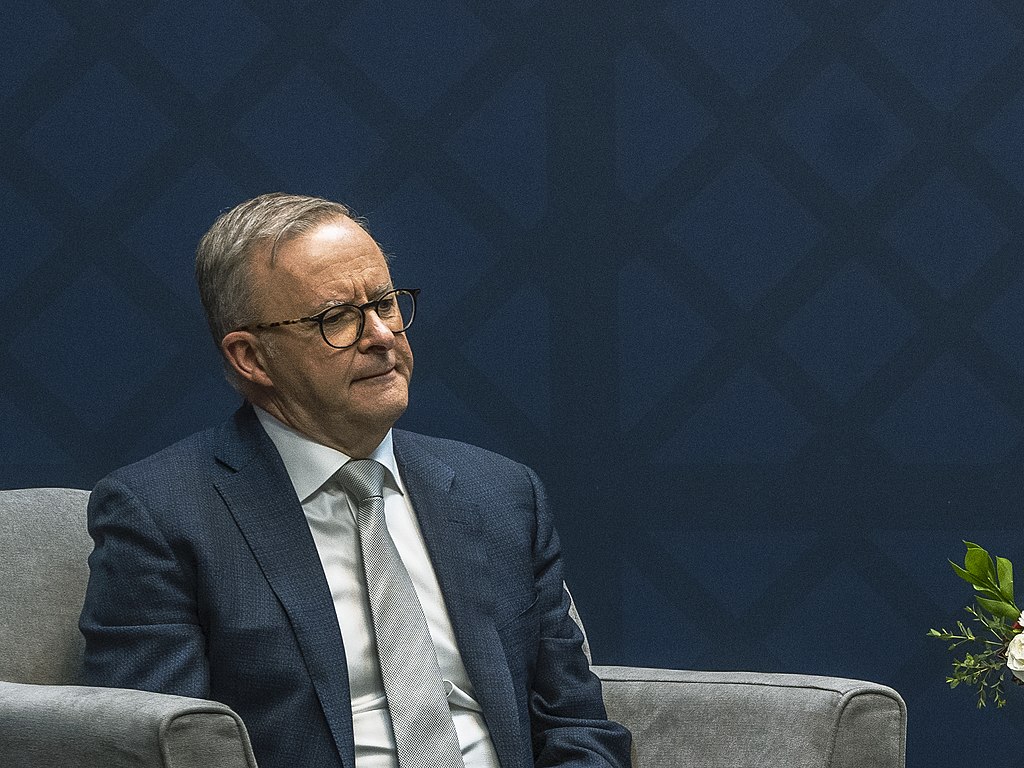
Australian Prime Minister Anthony Albanese met Papua New Guinea’s Prime Minister James Marape in Port Moresby on Wednesday to strengthen defence cooperation, despite a delay in finalizing a landmark mutual defence treaty. Instead, the leaders signed a defence communique confirming their commitment to closer security ties.
Marape emphasized that Australia remains Papua New Guinea’s “security partner of choice,” highlighting the country’s limited capacity to defend its vast land and waters alone. He stressed the deal aligns with Papua New Guinea’s national interest. The communique stated both nations have agreed on the treaty text, which will be signed after cabinet approval in each country. Albanese explained the delay followed Papua New Guinea’s cabinet meeting that failed to reach a quorum on Sunday.
The setback is the second for Australia’s Pacific security agenda this month. Albanese recently visited Vanuatu but was unable to finalize a A$500 million ($326.5 million) security partnership due to internal political review. Australia is pursuing stronger regional defence alliances to counter China’s growing influence, though Marape clarified that Beijing played no role in the delay.
Albanese, who arrived in Papua New Guinea for its 50th independence anniversary, said the treaty would elevate security cooperation to the level of Australia’s longstanding alliance with the United States. According to his office, the agreement recognizes that an armed attack on either nation would threaten the peace and security of both, underscoring a commitment to mutual defence.
Confident the treaty will be signed soon, Albanese noted it would be Australia’s first new alliance in over 70 years. He reiterated that security in the Pacific must be managed within the “Pacific family,” reinforcing Canberra’s push for stronger regional partnerships.







