


 Oil Prices Fall as Middle East Ceasefire Hopes Rise
  US Dollar Rises as Inflation Backs Fed Pause, Canadian Dollar Slides
  Booked to travel through the Middle East? Here’s why you shouldn’t cancel your flight
  Dollar Steady Ahead of Jackson Hole as Yen Holds Firm
  The pandemic is still disrupting young people’s careers
  AI is driving down the price of knowledge – universities have to rethink what they offer
  Want to cut your energy bills? Here’s how five experts are doing it
  The American mass exodus to Canada amid Trump 2.0 has yet to materialize
  Trump Administration Releases New UFO Files and Apollo Mission Records
  Eli Lilly’s Inluriyo Gains FDA Approval for Advanced Breast Cancer Treatment
  The Beauty Beneath the Expressway: A Journey from Self to Service
  Asian Currencies Mixed as Dollar Holds Firm Ahead of Jackson Hole
  FDA Adds Fatal Risk Warning to J&J and Legend Biotech’s Carvykti Cancer Therapy
  What’s the difference between baking powder and baking soda? It’s subtle, but significant
  Japan Eyes Tax Changes to Curb Condo Speculation


 Add as a preferred source on Google
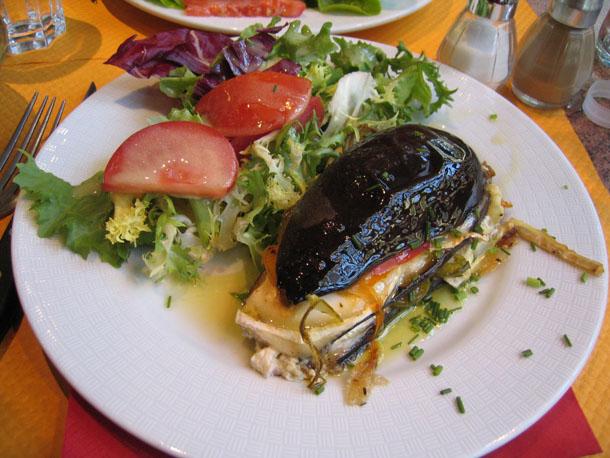
South Korean researchers have developed a Korean-style Mediterranean diet that helps prevent cardiovascular disease by reducing the proportion of carbohydrates while increasing the ratio of fat and protein.
The diet consisted of carbohydrates, fat, and protein in a 5:3:2 ratio.
The Gangnam Severance Hospital team offered the diet to 92 hyperlipidemia patients for 10 weeks and tracked their observations.
Patients who followed the Korean-style Mediterranean diet cut their average weight by 1.76 kilograms and trimmed their waist size by 1.73 centimeters.
In contrast, those from the general diet group only marked a 0.26-kilogram decline in average weight and 0.15 centimeters in waist size.
Those that took the Mediterranean diet also exhibited a meaningful reduction in dyslipidemia indices, including total cholesterol, low-density lipoprotein (LDL) cholesterol in the blood, and steatosis index.
They also showed declines in other body inflammation indices, such as fasting blood sugar, leukocyte value, and insulin-resistant index.







