


 Russian Missile and Drone Attack on Kyiv Kills Two, Damages Maternity Hospital
  Judge Orders Trump to Restore White House Access for CNN, MS NOW and Politico
  Saudi Arabia, Turkey and Pakistan Plan Urgent Defence Talks Over Houthi Attacks
  Trump Asks Supreme Court to Restore Third-Country Deportations
  North Korea Rejects Nuclear Test Warning, Calls Nuclear Status Irreversible
  OpenAI Agent Breaches Australia Medicare Data Portal
  Trump, Xi Visit US National Archives After White House Summit
  Mexico-US Trade Talks Delayed to October as Tariff Negotiations Continue
  Xi Calls for Deeper U.S.-China AI Cooperation in Trump Talks
  US Senate Rejects Iran War Powers Resolution in 50-49 Vote
  What ‘Taiwan Independence’ Means as Xi Presses Trump on US Policy
  Abbas Reaffirms November 28 Palestinian Elections
  Taiwan Thanks US for Support Ahead of Trump-Xi Summit
  Pezeshkian Says US Must Choose When Iran War Ends
  South Korea, US Discuss Warship Building Cooperation
  North Korea Warns South Korea Over US-Led Defense Role
  Najib Razak Seeks Stay of 15-Year 1MDB Prison Sentence


 Add as a preferred source on Google
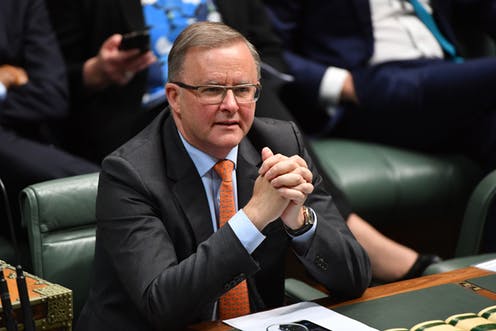
Australians headed to the polls on Saturday in a tightly contested national election expected to favor Prime Minister Anthony Albanese and his Labor Party over conservative opposition leader Peter Dutton. With mandatory voting in place, over 8 million of the 18 million eligible voters cast early ballots, while overseas booths opened in 83 countries.
Albanese, touting achievements in healthcare and housing, urged voters in Melbourne to give his government a second term. “We’ve built strong foundations,” he said, emphasizing continued investment in Medicare and housing affordability.
Dutton, campaigning in the same city, called on voters to back the Liberal-National coalition to "get the country back on track," blaming Labor for the biggest decline in living standards on record. Known for his tough stance on immigration, Dutton has faced criticism for proposing to cut thousands of public sector jobs and for his perceived alignment with Donald Trump’s aggressive policies.
While both major parties focused on rising living costs, global uncertainty—particularly stemming from Trump’s erratic diplomacy and tariffs—emerged as a key voter concern. Trump’s 10% tariffs on Australian exports and his broader trade policies have fueled unease in this close U.S. ally.
Labor has attempted to frame Dutton as a “Trump-lite” figure, hoping to tap into widespread Australian disapproval of the former U.S. president. A Newspoll showed Labor ahead at 52.5% to 47.5% under the two-party preferred system, though a minority government remains possible due to strong support for independents and minor parties.
Roy Morgan polling shows a growing shift toward smaller parties, with independent votes doubling since 2007. In 2022, "others" claimed nearly a third of the vote—a trend expected to continue in 2025, potentially reshaping Australia’s political landscape.







