


 Taiwan Thanks US for Support Ahead of Trump-Xi Summit
  NATO Boosts Intelligence Sharing Amid Russia Hybrid Threats
  Trump Asks Supreme Court to Restore Third-Country Deportations
  US Officials Split Over Response to Israeli West Bank Settlements
  US Backs Musk in Fight Against EU’s €120 Million X Fine
  U.S. Treasury Yields Surge as 30-Year Hits 22-Year High
  US Dollar Hits Two-Month High as Fed Rate Hike Bets Rise
  RBI Uses $10 Billion Currency Swaps to Drain Excess Rupee Liquidity
  Japan Private-Sector Growth Slows as Domestic Demand Weakens
  Oil Prices Jump 3% as Houthi Attack Revives Supply Fears
  Fed Unveils Stablecoin Rules Under GENIUS Act
  US Stock Futures Fall as Treasury Yields Surge Ahead of Trump-Xi Summit
  US, China Extend Trade Truce to Jan. 10 Ahead of Trump-Xi Summit
  Australia Unemployment Hits Five-Year High Despite Strong Jobs Growth
  Russian Envoy Dmitriev Heads to US for Ukraine Talks
  Abbas Reaffirms November 28 Palestinian Elections
  China’s ‘Lipstick King’ Says AI Won’t Replace Livestream Hosts


 Add as a preferred source on Google
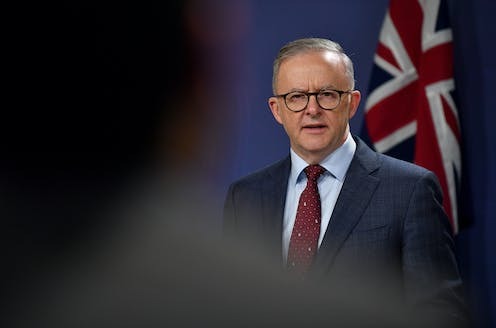
Australian Prime Minister Anthony Albanese has condemned U.S. President Donald Trump’s decision to impose a 10% tariff on Australian imports, calling it "not the act of a friend." The move impacts Australian beef exports, which surged to A$4 billion last year due to declining U.S. production. Trump, speaking at the White House, cited Australia's ban on U.S. beef over mad cow disease concerns as justification, despite Australia never detecting the disease domestically.
Albanese emphasized that the U.S. tariff disregards the long-standing Australia-U.S. alliance, especially given that American goods enter Australia tariff-free. He ruled out imposing reciprocal tariffs, warning it would raise prices for Australian consumers and hinder economic growth. Instead, Australia plans to negotiate for a rollback without activating the dispute resolution mechanism in the Free Trade Agreement.
Amid election campaigning, opposition leader Peter Dutton criticized Albanese for failing to secure a tariff exemption and urged leveraging Australia’s strategic mineral resources and defense ties. Albanese noted that all diplomatic avenues were explored, even seeking insights from Australian golf icon Greg Norman, a known Trump associate.
The tariffs come amid broader tensions, with Australia refusing to compromise on biosecurity, pharmaceutical subsidies, and regulation of U.S. tech platforms. Albanese announced a A$1 billion fund to support affected exporters in finding new markets.
The tariffs also raise concerns across the Indo-Pacific, potentially benefiting China, and highlighting shifting trade dynamics. While exports to the U.S. represent under 5% of Australia’s total, China remains its largest trading partner. Trade Minister Don Farrell stated Australia is expanding into markets like India and the Middle East and aims to revive stalled EU trade talks.
Despite the setback, Australia’s farmers remain resilient, with the National Farmers Federation calling the tariffs a “disappointing step backward.”







