


 Judge Orders Trump to Restore White House Access for CNN, MS NOW and Politico
  US Invites Putin to Miami G20, Opening Door to Trump Summit
  Trump Meets Venezuela’s Delcy Rodriguez at UN Assembly
  Europe Warns Russia Is Escalating Hybrid Attacks Across NATO
  OpenAI Agent Breaches Australia Medicare Data Portal
  Zelenskiy Warns Russia Preparing Major Attack on Ukraine
  Marco Rubio to Meet Russia’s Lavrov in New York
  Kremlin Says No Grounds Yet for Ukraine Peace Talks
  Taiwan Thanks US for Support Ahead of Trump-Xi Summit
  Trump to Press Xi on Release of US Nuclear Expert Held in China
  South Korea, US Discuss Warship Building Cooperation
  Gaza Faces Evacuation Crisis as War-Damaged Buildings Risk Collapse
  Macron Challenges Trump’s Gaza Peace Claims at UN
  Trump Administration Plans Faster FDA Reviews for Smoke-Free Nicotine Products
  Ghana Says Western Support Growing for Slave Trade Reparations
  Netanyahu Takes Aim at Mamdani as Israel Election Nears
  Venezuela Promises Elections as Delcy Rodriguez Pledges Democratic Transition


 Add as a preferred source on Google
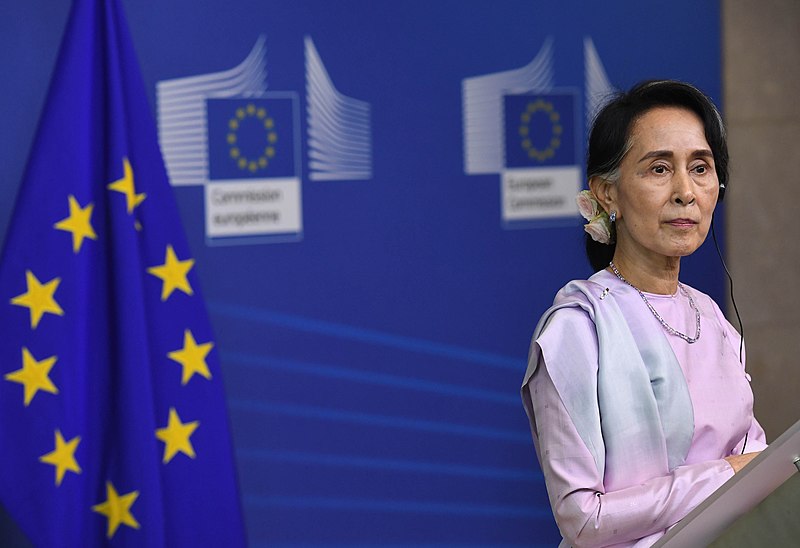
Ousted Myanmar leader Aung San Suu Kyi was convicted by a junta court on three criminal charges. From the conviction, Suu Kyi received a four-year prison sentence.
Suu Kyi was convicted of three new criminal charges Monday, receiving a four-year prison sentence according to Myanmar’s junta court. The ousted leader was found guilty of two charges in relation to illegal importing and owning walkie-talkies and one charge of breaking COVID-19 protocols.
A person familiar with the matter told AFP that the walkie-talkie charges stemmed from the day of the coup when troops raided her home and discovered the equipment.
Suu Kyi has been detained since February 1 last year when the country’s generals staged a coup against Suu Kyi’s democratic government. The coup staged by the military generals resulted in widespread dissent and unrest. This also led to a bloody crackdown that saw mass detentions and over 1,400 civilians were killed.
The latest convictions add to the sentencing Suu Kyi received back in December. Suu Kyi was charged for incitement and for breaching COVID-19 restrictions while campaigning. Junta chief Min Aung Hlaing reduced Suu Kyi’s sentencing to two years under house arrest in Naypyidaw.
The ruling Suu Kyi received back in December drew backlash from the international community and citizens of Myanmar showed their outrage through banging pots and pans. Human Rights Watch researcher Manny Maung said that any more convictions against Suu Kyi would only exacerbate public discontent. Maung told AFP that the last conviction angered the public and that the military sees the cases as a fear tactic, only to receive more backlash from the public.
Previously, Al Jazeera reported that the Myanmar military killed over 30 civilians in their vehicles on Christmas eve, leaving the burned bodies to the extent of being unrecognizable. The move by the military aimed to counter the growing resistance to the extent that they have also blocked citizens’ access to basic necessities as part of its “four-cuts” strategy that has long been used to dismantle the support for ethnic armed groups.
The recent killings added to the death toll from the crackdown staged in February, but have also led to an accelerated armed resistance to counter the military since May.







