


 Evan Gershkovich Says FSB Set Trap for 2023 Russia Arrest
  National Rally Secures French Senate Caucus for First Time
  Taiwan Says U.S. Arms Sales Protect Chip Supply
  UK PM Burnham Signals Social Care Tax Changes, Questions Heathrow Expansion
  South Africa Seeks US Talks Despite Visa Restrictions
  Senate Democrats Say Tether USDT Helps Iran Evade Sanctions
  Republicans Flood Safe House Races With Cash as Midterm Risks Rise
  China, US Extend Trade Truce Through January 10 After Trump-Xi Summit
  Iran Says Diplomacy Only Path to End U.S.-Israel Conflict
  China Cuts Tariffs on U.S. Farm Goods but Excludes Soybeans
  Iran Holds Firm on Hormuz Reopening Terms Despite Trump Rejection
  Swiss Voters Reject Stricter Neutrality Rules in Referendum
  Germany Political Risks Rise as Merz Faces Coalition Pressure
  South Korea Demands Ukraine Apology Over North Korean POW Disclosure
  Iran Awaits U.S. Response on Hormuz Ceasefire Proposal
  China Says U.S. Shares Responsibility for AI Governance
  Putin Says Ukraine Peace Proposals Remain on Table


 Add as a preferred source on Google
Julian Assange tried to warn the White House and then-Secretary of State Hillary Clinton over the impending release of unredacted U.S. diplomatic cable. This was revealed by Assange’s lawyer during his London extradition hearing as part of his defense, according to Reuters.
The WikiLeaks founder is being sought by the United States on 17 counts of espionage, according to ABC. Assange is also facing one charge of conspiring to commit computer intrusion with Chelsea Manning having leaked hundreds of thousands of documents almost ten years ago.
The lawyer representing the United States said during the hearing that Assange is wanted for crimes that endangered allies from Afghanistan, Iran, and Iraq, some of whom later went missing. He argued that by recklessly publishing the unredacted cables, Assange put various dissidents, human rights activists, informants, and journalists at risk of being abused, tortured or killed.
However, Assange’s lawyer Mark Summers is contesting the United States’ accusations. According to Summers, the allegations of having helped Manning break a government password, having knowingly put lives in danger, and encouraging theft of classified data are all “lies, lies and more lies.”
Summers asserted during the extradition hearing that it was Manning who sent the documents in April 2020. Assange went on to make a deal with publications such as Guardian, New York Times and Der Spiegel to release the redacted part of cables starting November of that year. In fact, the U.S. State Department was involved by suggesting redactions via conference calls.
A book on the WikiLeaks by Guardian reporters came out in February 2011. The book contained a password that granted access to the entire collection of cables, including the unredacted portion. A German publication later announced its discovery of another password that allowed users to access the entire collection.
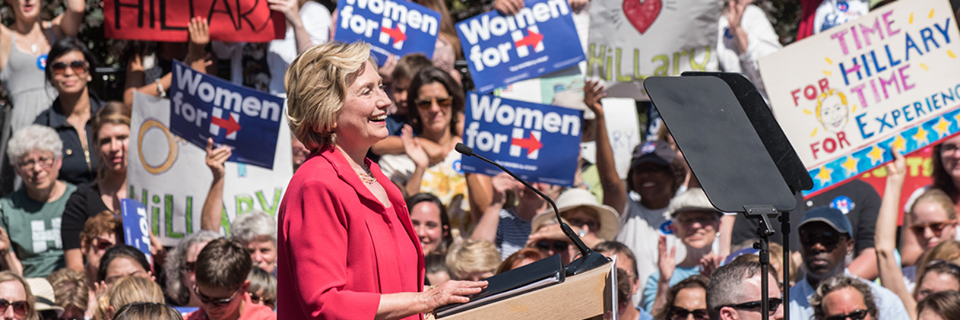
Knowing of an impending leak of the entire set of documents, Assange tried to warn the U.S. government by calling the White House as well as then-Secretary of State Hillary Clinton. He was concerned about what such release might mean and said “unless we do something, people’s lives are put at risk.” However, Assange was told by the State Department to call back in a couple of hours.







