


 Wall Street Falls as Treasury Yields Surge, Oil Rebounds on Iran Tensions
  Australia Unemployment Hits Five-Year High Despite Strong Jobs Growth
  US, China Extend Trade Truce to Jan. 10 Ahead of Trump-Xi Summit
  Oil Prices Ease as Iran Tensions Clash With Diplomacy Hopes
  Russian Envoy Dmitriev Heads to US for Ukraine Talks
  European Stocks Fall as Bond Yields and Geopolitical Risks Weigh
  Oil Prices Jump 3% as Houthi Attack Revives Supply Fears
  Japanese Bank Stocks Surge as Bond Yields Fuel Rate Hike Bets
  Asian Currencies Mixed as Dollar Holds Near Two-Month High
  Asian Stocks Fall as Surging Bond Yields Rattle Markets
  South Korea, US Discuss Warship Building Cooperation
  US Stock Futures Fall as Treasury Yields Surge Ahead of Trump-Xi Summit
  RBI Uses $10 Billion Currency Swaps to Drain Excess Rupee Liquidity
  U.S. 10-Year Treasury Yield Hits 2007 High as Fed Rate Hike Bets Rise
  US 10-Year Treasury Yield at 6% Emerges as New Market Risk Threshold
  Dollar Holds Near Two-Month High as Yen Approaches 160
  Gold Prices Fall as Treasury Yields Rise on Fed Rate Hike Bets


 Add as a preferred source on Google
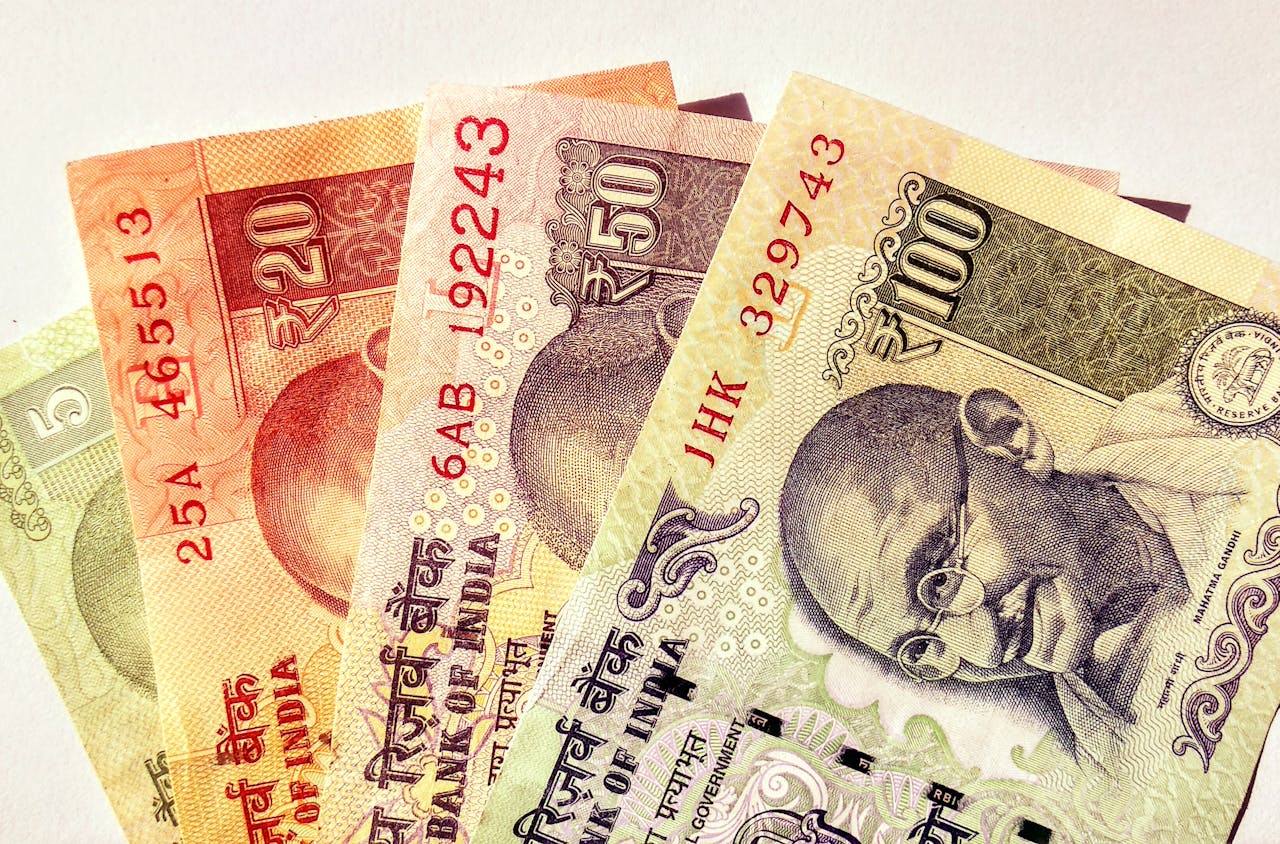
Asian currencies faced widespread pressure on Monday as escalating U.S.-Iran tensions and surging oil prices rattled investor confidence across the region. The U.S. dollar steadied following modest losses last week, with both the dollar index and dollar index futures holding firm during Asian trading hours.
The Indian rupee emerged as one of the hardest-hit currencies, with the USD/INR pair climbing 0.3% and breaching the 94-rupee mark for the first time on record. India's heavy dependence on imported oil and gas — accounting for roughly 80% of domestic consumption, much of it sourced from the Middle East — makes the country particularly exposed to supply disruptions. Reports of a domestic gas shortage added to bearish pressure on the rupee, though the Reserve Bank of India's continued intervention in foreign exchange markets has helped cushion steeper losses.
The South Korean won also weakened, with the USD/KRW pair rising 0.2%, though it pulled back from an earlier 17-year high. Sentiment around the won was partially supported by expectations that newly appointed Bank of Korea Governor Shin Hyun-song, known for predicting the 2008 financial crisis, may lean toward tighter monetary policy. Analysts at ING suggested the BOK could raise interest rates as early as July, especially given fresh inflationary pressures stemming from the Iran conflict.
Across the broader region, the Japanese yen edged 0.1% lower against the dollar, the Chinese yuan fell nearly 0.4%, and the Australian dollar dropped 0.6%. Only modest moves were seen in the Singapore dollar. Risk sentiment remained fragile after President Trump issued a 48-hour ultimatum to Tehran to reopen the Strait of Hormuz, threatening U.S. strikes on Iranian energy infrastructure. Iran responded with counter-threats targeting regional energy and water supplies, deepening concerns as the conflict entered its fourth consecutive week with no signs of de-escalation.







