


 Big AI wants to slow down AI research. Is it a safety pause or a strategic retreat?
  GLP-1 Weight-Loss Drug Use Surges Among U.S. Children
  FDA Weighs Safety Standards for Psychedelic Therapies
  Brazil Court Suspends Sigma Lithium Mine Operations
  Novartis Shares Plunge After Muscle Drug Fails Phase III Trial
  Paramount-Warner Bros $110 Billion Deal Draws Antitrust Backlash
  Should I take zinc or eat oysters to ward off colds, boost my immune system or improve fertility?
  FxWirePro- Crypto Weekly Alpha: ETF Rebounds, L2 Rallies & Key Resistance Levels
  Hawkish Fed Fuels Gold Sell-off: Gold Dives Below $4300 Amidst Rate Hike Fears
  OpenAI Rejects Apple Trade Secret Theft Claims
  CNN, MS NOW and Politico Sue Trump Over White House Media Ban


 Add as a preferred source on Google
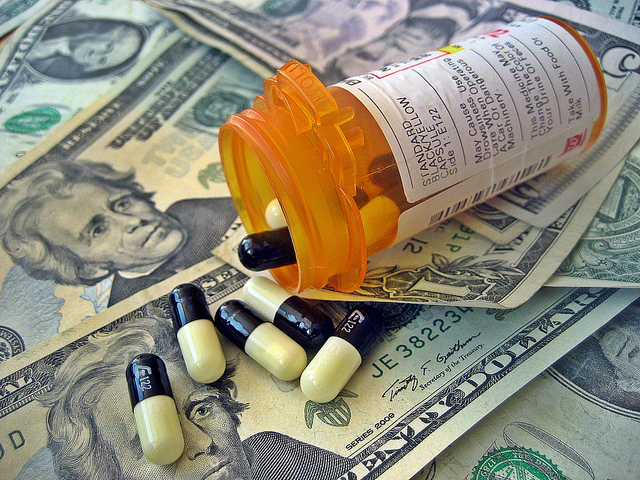

Facebook recently announced that it is getting more involved in the personal crowdfunding business. Individual users will have the option of placing a “donate” button on their posts to raise funds for six categories of causes that include personal emergencies and health-related expenses.
Given the enormous user base of Facebook, this practice will most likely benefit many people. But, as a bioethicist researching issues related to medical crowdfunding for the past two years, I am concerned about this development, particularly with regard to privacy.
Growing popularity of medical crowdfunding
The crowdfunding platform YouCaring reported that medical campaigns were its fastest-growing fundraising category in 2015. Since 2012 YouCaring has raised US$240 million for these campaigns. Similarly, another crowdfunding site, GoFundMe, has raised $930 million for medical crowdfunding campaigns.
Crowdfunding for medical expenses began with the development of personal crowdfunding platforms such as YouCaring and IndieGoGo in the U.S. a decade ago. Campaigners request funds for direct medical expenses such as paying hospital bills for cancer treatment or dental care. Help paying indirect medical expenses is also commonly sought, such as support for time off work and funding for travel to hospitals for treatment.
On the face of it, expanded access to funds through medical crowdfunding on Facebook and other platforms is a good thing. Americans with medical needs and who have limited or no health insurance face either having to forego necessary medical care or having their savings wiped out.
Even in countries with universal medical coverage like Canada, medical crowdfunding is often used for what is considered nonessential care (for example, dental care or fertility treatments) or other health-related expenses such as travel to access medical care.
Thus, medical crowdfunding can literally be a lifesaver.
Issues around privacy
However, there is a downside. As my research shows, medical crowdfunding has the potential to seriously undermine the medical privacy of users.
Typically, medical crowdfunding platforms (including but not limited to Facebook) urge their users to be as open as possible about the recipient’s medical condition. They also ask users to give regular updates about the progress of their medical care.

Medical crowdfunding could undermine patients’ privacy. Penn State, CC BY-NC-ND
These posts regularly include pictures and videos of the recipient and also images from doctors’ offices and hospital beds. This sharing of information amounts to a vast loss of privacy.
Medical emergencies and medical need are situations of great vulnerability, and often highly bodily invasive. Many patients might prefer to keep these details private or at the least limited to a select group of friends and family. However, these images are on display at any time on medical crowdfunding platforms.
For example, one of the campaigns featured at YouCaring leads off with an image of an emaciated woman in a hospital bed, surrounded by tubes and wires. In this campaign’s description, the woman reports severe symptoms including her teeth “falling apart” and her extreme financial distress.
Who decides?
Such images also raise questions about consent. While one might argue that campaigners are choosing to share this information with their friends, those in severe financial need may feel they have no other alternative.
Moreover, medical crowdfunding campaigns are often run by friends and families of the recipient. While their intentions are likely good, it is not always clear whether they have permission to share the patient’s private medical details online. The individual might be partially or fully incapacitated, or not be involved in the campaign due to the stigma associated with asking others for financial assistance.
Consent might also be an issue when these campaigns are managed on behalf of young children who are then burdened with a permanent, public record of their medical history.
Protecting medical data
None of this is to say that medical crowdfunding is, overall, a bad thing. Rather, it creates a threat to medical privacy that ought to be carefully thought through.
I argue that Facebook, in particular, should be especially sensitive to these concerns. Facebook collects a huge amount of personal data from users – considerably more than is the case for other crowdfunding platforms. In the past, Facebook also has faced sustained criticism in the U.S. and Europe about failing to protect users’ privacy.
Given this, in my view, all medical crowdfunding platforms should take steps to clarify how medical data posted online can be protected from misuse, and ensure that users are aware of these problems.
As it stands, users are in competition with one another to present the most compelling case for donation. This pressure to share private medical information can be relieved only by a clear response from crowdfunding platforms to limit this practice.
 Jeremy Snyder receives funding from the Canadian Institutes of Health Research.







