


 CNN, MS NOW and Politico Sue Trump Over White House Media Ban
  Russian Strikes Kill Eight Across Ukraine as Energy Sites Hit
  US Plans Two New Military Bases in Greenland Under Arctic Deal
  Judge Rejects Minnesota Bid to Force ICE Agent Extradition
  Lula and Flavio Bolsonaro Tied in Brazil Runoff Poll
  Brazil Court Suspends Sigma Lithium Mine Operations
  Najib Razak Granted House Arrest Until 2028
  Kremlin Says No Grounds Yet for Ukraine Peace Talks
  Mahmoud Khalil Sues Columbia Over Alleged Pro-Palestinian Harassment
  Appeals Court Rejects Trump Third-Country Deportation Policy
  Burnham Eyes UK Leadership Role in AI Ahead of Trump Meeting
  California Seeks Paramount Divestitures in Warner Bros. Merger
  Paramount Skydance Faces $30 Million Film Penalty in Warner Bros. Deal
  Venezuela Nears Deal to Move $4 Billion in Gold to New York Fed
  Iran Vows ‘Crushing’ Response as US Talks Continue
  Sara Duterte Posts Bail Over Grave Threats Case
  Maduro Seeks Dismissal of US Drug Trafficking Charges


 Add as a preferred source on Google
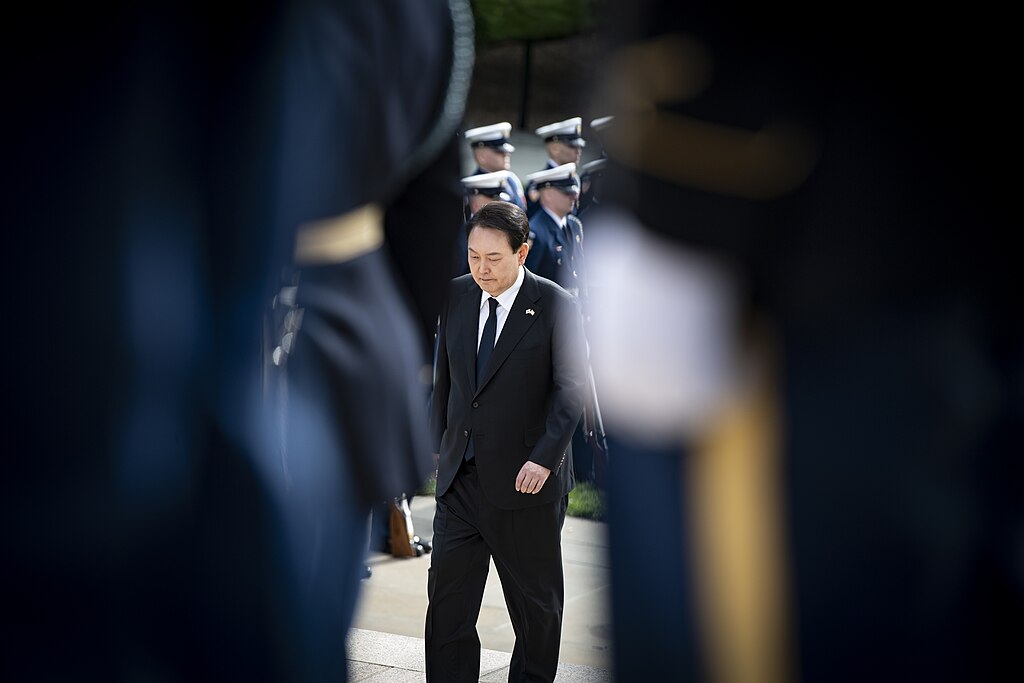
Former South Korean President Yoon Suk Yeol was sentenced to 30 years in prison on Friday after a Seoul court found him guilty in a high-profile case linked to his controversial 2024 martial law declaration. According to Yonhap News Agency, the court ruled that Yoon played a central role in a scheme involving military drones allegedly sent into North Korean airspace to create a justification for imposing martial law.
The case has become one of the most significant political scandals in South Korea’s recent history. Prosecutors argued that Yoon authorized military drones to fly over Pyongyang as part of an effort to heighten tensions with North Korea and manufacture a national security crisis. Investigators claimed the operation was designed to provide a pretext for declaring martial law, a move that ultimately failed and triggered widespread political backlash.
The court determined that the former president’s actions represented a serious abuse of power and posed a threat to South Korea’s democratic institutions. The ruling follows months of legal proceedings, during which prosecutors presented evidence and testimony linking Yoon to the alleged operation.
The verdict marks a dramatic fall for the former leader, who once held the nation’s highest office. Political analysts say the case is likely to have lasting implications for South Korean politics, civil-military relations, and public trust in government institutions. The sentence also highlights the judiciary’s willingness to hold senior political figures accountable for actions deemed harmful to the country’s constitutional order.
Yoon has denied wrongdoing throughout the investigation and trial. His legal team is expected to challenge the ruling through the appeals process. The case continues to attract significant domestic and international attention, given its connection to national security issues, North Korea relations, and concerns about democratic governance in South Korea.
The sentencing is expected to remain a major topic of discussion as the country assesses the political and legal consequences of one of its most controversial presidential scandals.







