


 US-Backed Pediatric HIV Treatment Drops After Foreign Aid Changes, Study Finds
  Paramount-Warner Bros $110 Billion Deal Draws Antitrust Backlash
  CNN, MS NOW and Politico Sue Trump Over White House Media Ban
  China Tightens Fentanyl Rules Ahead of Trump-Xi Summit
  Alcohol is one of the most dangerous drugs, yet its presence is ubiquitous in social settings and celebrations
  Lula and Flavio Bolsonaro Tied in Brazil Runoff Poll
  Novo Nordisk Raises 2025 Outlook Despite Wegovy Pill Miss and CagriSema Setback
  3 clinical-grade skincare creams you really shouldn’t buy online
  Russian Strikes Kill Eight Across Ukraine as Energy Sites Hit
  Should I take zinc or eat oysters to ward off colds, boost my immune system or improve fertility?
  Venezuela Earthquake Health Risks Rise as Disease Monitoring Intensifies
  France Battles Mediterranean Wildfires as Heatwave Fuels Fire Risk
  Trump Says ‘Freedom’ Is Coming to Cuba
  AstraZeneca Shares Sink After Wainua Trial Misses Key Heart Disease Goal
  Eli Lilly Eyes AtaiBeckley Acquisition to Expand Psychedelic Mental Health Pipeline
  Zelenskiy Meets CIA Chief John Ratcliffe at Ireland’s Shannon Airport
  Lula Meets Mamdani in New York as Elections Approach


 Add as a preferred source on Google
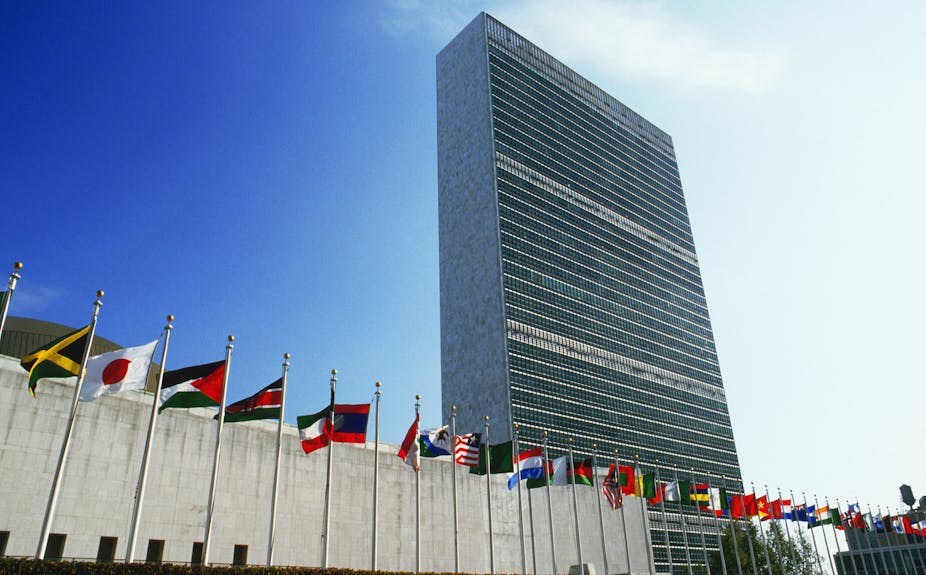
The head of UNAIDS, Winnie Byanyima, has urged the United States to reconsider its decision to withdraw HIV/AIDS funding for South Africa, warning that the move could put millions of vulnerable people at risk and potentially cost lives. Speaking ahead of a high-level United Nations conference on HIV/AIDS, Byanyima expressed concern over the impact of the planned reduction in support from the President’s Emergency Plan for AIDS Relief (PEPFAR), a key program in the global fight against HIV/AIDS.
According to the U.S. State Department, Washington has decided to begin a phased drawdown of PEPFAR funding in South Africa, citing the country’s failure to meet certain policy expectations set by the administration. The department stated that PEPFAR was never intended to be a permanent funding source and emphasized that South Africa, as a middle-income country, has the capacity to finance its own healthcare programs.
Recent reports suggest the decision may also be linked to broader diplomatic disagreements between the two countries, including concerns over South Africa’s relationship with Iran and domestic policy issues. However, Byanyima stressed that withdrawing HIV funding could have severe humanitarian consequences.
South Africa has the world’s largest population of people living with HIV, with approximately 8 million infected individuals. While the country funds its own HIV medication programs, PEPFAR has historically contributed more than $400 million annually and supported the salaries of around 15,000 healthcare workers. The program has accounted for roughly 17% of South Africa’s HIV response funding.
Byanyima also warned that broader cuts to global development assistance are threatening decades of progress in HIV prevention and treatment. UNAIDS data show that more than 32 million of the nearly 40 million people living with HIV worldwide are receiving treatment. However, around 9 million still lack access to care, while 1.2 million new infections were recorded last year.
The UNAIDS chief said early signs of disruption are already emerging, including a 22% decline in HIV testing in high-burden countries and significant reductions in condom distribution. She cautioned that these setbacks could reverse years of progress and jeopardize the global goal of ending AIDS as a public health threat by 2030.
Calling for a carefully managed transition rather than abrupt funding cuts, Byanyima urged donor nations to maintain support for life-saving HIV programs. She emphasized that reducing funding without adequate planning risks increasing HIV infections, undermining treatment access, and reversing hard-won gains in the global fight against AIDS.







