


 Dollar Near Two-Week High as Stock Rout, AI Concerns and Global Events Drive Market Volatility
  Silver Prices Plunge in Asian Trade as Dollar Strength Triggers Fresh Precious Metals Sell-Off
  Hims & Hers Halts Compounded Semaglutide Pill After FDA Warning
  RBI Holds Repo Rate at 5.25% as India’s Growth Outlook Strengthens After U.S. Trade Deal
  Tencent Shares Slide After WeChat Restricts YuanBao AI Promotional Links
  Amazon Stock Rebounds After Earnings as $200B Capex Plan Sparks AI Spending Debate
  Rio Tinto Shares Hit Record High After Ending Glencore Merger Talks
  Instagram Outage Disrupts Thousands of U.S. Users
  Trump Lifts 25% Tariff on Indian Goods in Strategic U.S.–India Trade and Energy Deal
  Japanese Pharmaceutical Stocks Slide as TrumpRx.gov Launch Sparks Market Concerns
  Once Upon a Farm Raises Nearly $198 Million in IPO, Valued at Over $724 Million
  Singapore Budget 2026 Set for Fiscal Prudence as Growth Remains Resilient
  Wildfires ignite infection risks, by weakening the body’s immune defences and spreading bugs in smoke
  Lake beds are rich environmental records — studying them reveals much about a place’s history
  American Airlines CEO to Meet Pilots Union Amid Storm Response and Financial Concerns
  Uber Ordered to Pay $8.5 Million in Bellwether Sexual Assault Lawsuit
  Missouri Judge Dismisses Lawsuit Challenging Starbucks’ Diversity and Inclusion Policies


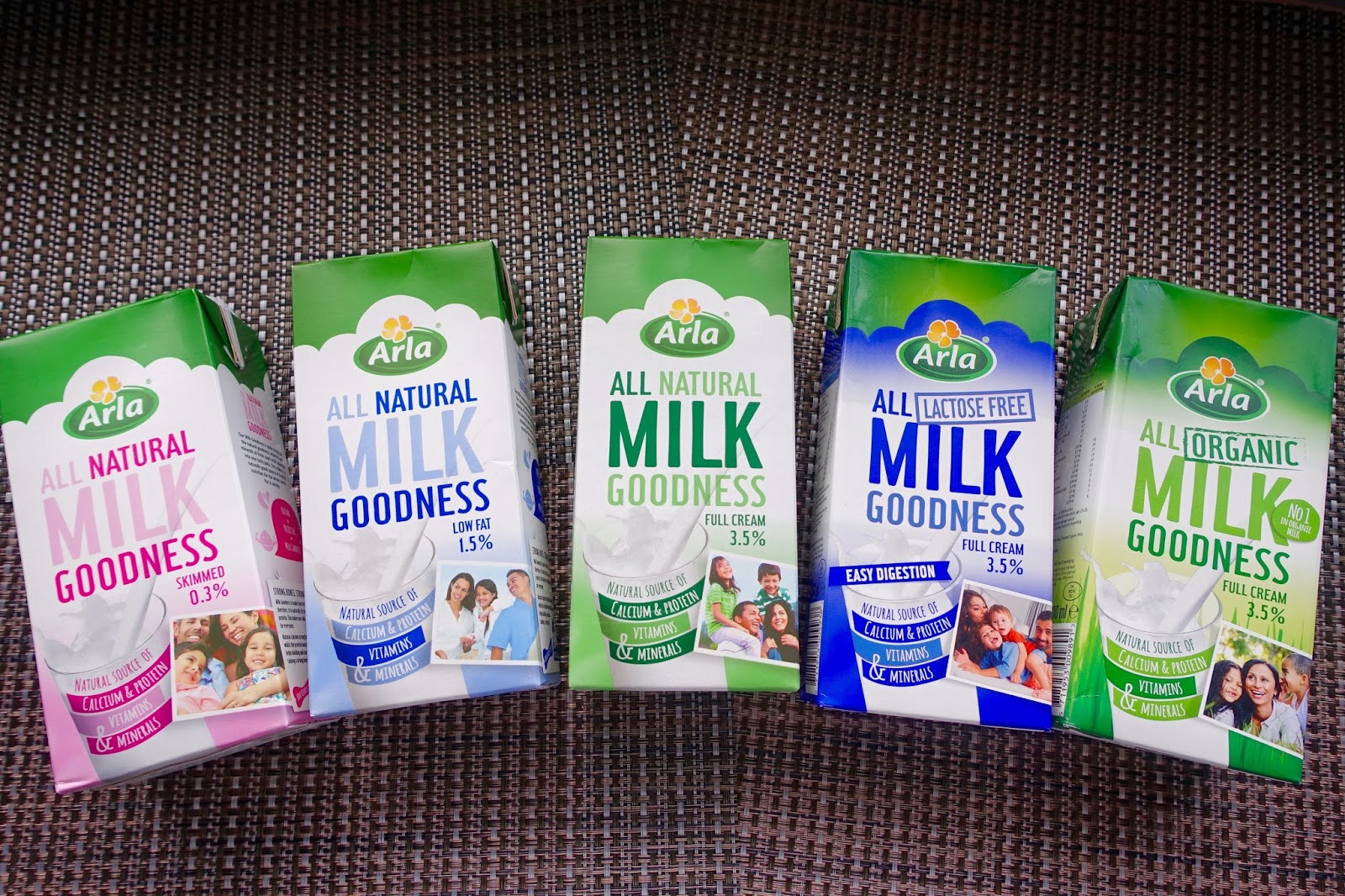
Arla Foods has launched a sustainability roadmap for the UK dairy industry that aims to inform consumers and retailers about how it will attain its 2030 climate targets.
The company hopes to reduce emissions across its entire value chain, including farms, production sites, and logistics.
Dubbed the Climate Roadmap – Towards Carbon Net Zero Dairy, Arla claims this is “a first for the UK dairy industry”.
According to Arla, its scope one and two emissions reduction target is consistent with changes needed to keep global warming to 1.5 degrees, which was outlined by the Paris Agreement.
Ben Wood, senior sustainability manager for Arla UK, said that their climate roadmap is another step on their long-term journey to producing milk in the best possible way for the planet.
Arla expects to reach carbon net zero across its entire business by 2050.













