


 US Court Approves airBaltic Chapter 11 Restructuring
  Trump Administration Prepares Sanctions Against Entire ICC
  CNN, MS NOW and Politico Sue Trump Over White House Media Ban
  Trump’s Arlington Arch Project Faces New Court Restrictions
  Kremlin Says No Decision Yet on Putin-Trump December Summit
  Saudi Arabia, Turkey and Pakistan Plan Urgent Defence Talks Over Houthi Attacks
  Maduro Seeks Dismissal of US Drug Trafficking Charges
  Taiwan Thanks US for Support Ahead of Trump-Xi Summit
  Abbas Reaffirms November 28 Palestinian Elections
  Trump Asks Supreme Court to Restore Third-Country Deportations
  Judge Orders Trump to Restore White House Access for CNN, MS NOW and Politico
  Venezuela Nears Deal to Move $4 Billion in Gold to New York Fed
  France Defends Netanyahu Airspace Clearance Despite ICC Warrant
  Pezeshkian Says US Must Choose When Iran War Ends
  Najib Razak Granted House Arrest Until 2028
  OpenAI Agent Breaches Australia Medicare Data Portal
  US Backs Musk in Fight Against EU’s €120 Million X Fine


 Add as a preferred source on Google
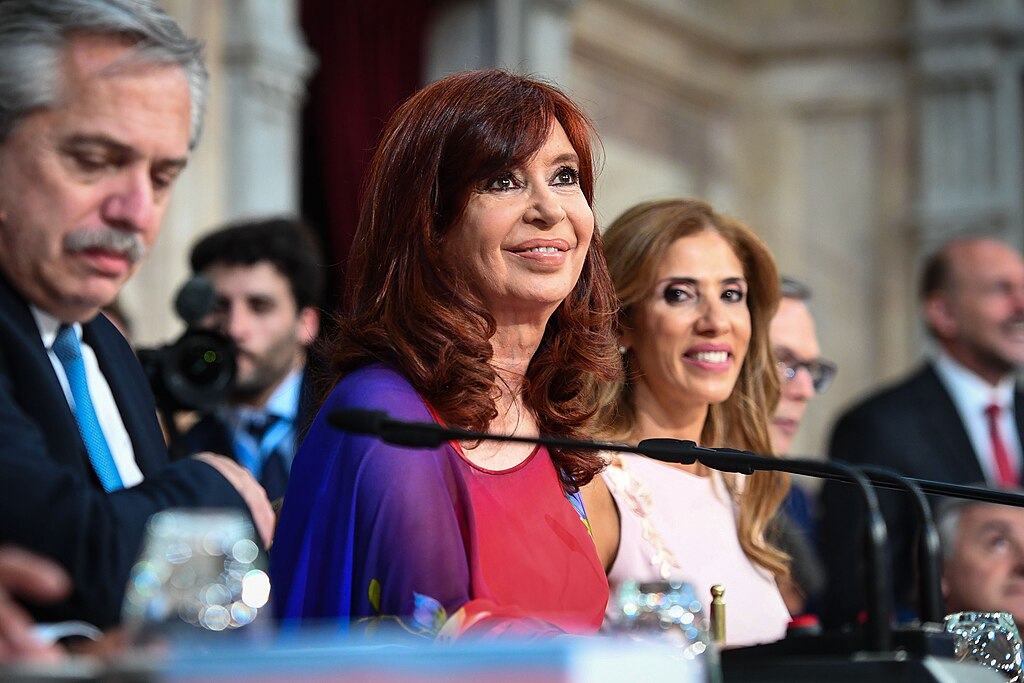
An Argentine court has moved to seize 20 properties belonging to former President Cristina Fernández de Kirchner and her family as part of the enforcement of her fraud conviction tied to an alleged public works corruption scheme. The decision, reported by local media, marks a significant escalation in a long-running legal battle that continues to shape Argentina’s political landscape and fuel debate over corruption, accountability, and political influence in the country.
Fernández de Kirchner, a dominant and polarizing figure in Argentine politics, served two consecutive presidential terms from 2007 to 2015. She later returned to government as vice president, in addition to previously holding roles as a senator and first lady. Her extensive political career has made her one of the most influential leaders in the region, but it has also placed her at the center of multiple judicial inquiries.
Since June, she has been under house arrest following a conviction for fraud involving irregularities in the awarding of public works contracts during her presidency. Authorities allege that she played a pivotal role in directing lucrative contracts to companies aligned with her political circle, resulting in significant financial losses for the state. The property seizure order is intended to secure assets that could ultimately be used to cover financial penalties associated with the conviction.
Earlier this month, Fernández de Kirchner returned to court to face additional bribery charges in a separate case. Prosecutors claim she accepted illicit payments in exchange for political favors, further intensifying scrutiny over her time in office. She has repeatedly denied wrongdoing, framing the charges as politically motivated attacks designed to undermine her legacy and weaken her influence.
The unfolding legal saga continues to attract national and international attention, raising questions about judicial independence, political polarization, and the broader fight against corruption in Argentina. As the cases progress, the repercussions for Fernández de Kirchner and the country’s political landscape remain significant and far-reaching.







