


 North Korea Warns South Korea Over US-Led Defense Role
  Judge Orders Trump to Restore White House Access for CNN, MS NOW and Politico
  Trump, Xi Focus on Trade and AI at White House Summit
  US Supreme Court Revives Trump Administration Voter Citizenship Database
  DOJ Will Investigate AI-Related Crimes, Attorney General Blanche Says
  Trump Scales Back Endangered Species Act Protections
  FDA Approves Mirum’s Atebrioz for Rare Bone Disorder FOP
  US Immigration Arrests Surge as Deportations Lag Behind
  US Comfortable With Canada Trade Standoff as Import Bans Loom
  US Judge Dismisses Imran Ahmed Deportation Lawsuit
  Saudi Arabia Seeks Military Support as Houthi Attacks Escalate
  Iran Rejects Nuclear Concessions in Hormuz Deal
  What ‘Taiwan Independence’ Means as Xi Presses Trump on US Policy
  France Defends Netanyahu Airspace Clearance Despite ICC Warrant
  Putin Says Ukraine Peace Proposals Remain on Table
  Colombia Extradites FARC Dissident Leader ‘Spider’ to US
  Pope Leo Backs Press Freedom After White House Media Ban


 Add as a preferred source on Google
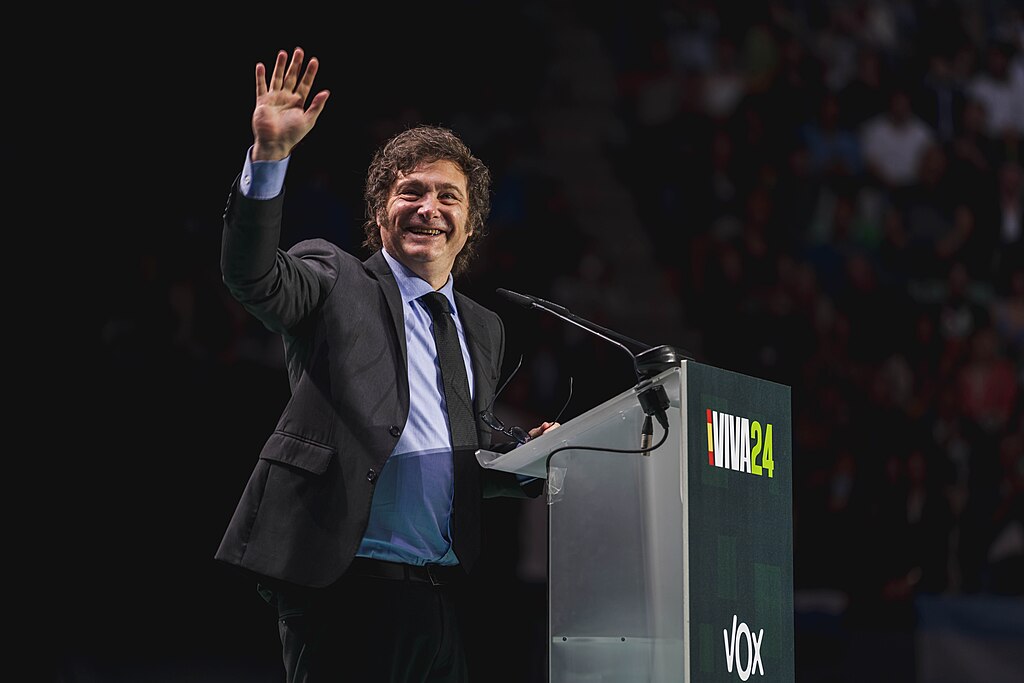
Argentina’s lower house of Congress has approved a bill aimed at restricting the use of presidential emergency decrees, marking a significant challenge to President Javier Milei’s executive authority. The measure, passed with 140 votes in favor, 80 against, and 17 abstentions, reflects growing concern among lawmakers about Milei’s reliance on executive powers since taking office.
The bill, which already passed the Senate but was modified by the lower chamber, will now return to the upper house for final approval. The key modification concerns the timeframe lawmakers have to review decrees—initially set at 90 days—allowing more flexibility in oversight.
If enacted, the new law would permit either legislative chamber to block presidential decrees with a simple majority vote. This change would force Milei’s administration to negotiate more extensively with opposition parties to advance its policy agenda.
The president, whose party holds a minority in both chambers, retains the power to veto the bill. Supporters of the measure argue that it restores institutional balance and prevents excessive executive control, while the ruling party warns that it could create legal uncertainty and disrupt governance.
The legislative move comes as Argentina prepares for crucial midterm elections on October 26, a pivotal moment for Milei’s presidency. With limited legislative backing, the upcoming elections will determine whether his reformist, libertarian platform can maintain momentum or face stronger opposition.
Political analysts say that if Milei’s party fails to secure more seats, his ambitious economic and political reform plans could stall. The outcome will serve as a referendum on his leadership and his unconventional approach to governing Argentina’s struggling economy.







