


 Evan Gershkovich Says FSB Set Trap for 2023 Russia Arrest
  Colombia Extradites FARC Dissident Leader ‘Spider’ to US
  Yemen Violence Displaces 130,000 as Civilian Toll Rises
  Xi Calls for Deeper U.S.-China AI Cooperation in Trump Talks
  Netanyahu’s Brief US Trip Highlights Strains With Trump
  Saudi Arabia, Turkey and Pakistan Plan Urgent Defence Talks Over Houthi Attacks
  Pope Leo Backs Press Freedom After White House Media Ban
  France Defends Netanyahu Airspace Clearance Despite ICC Warrant
  Trump Asks Supreme Court to Restore Third-Country Deportations
  North Korea Warns South Korea Over US-Led Defense Role
  US Backs Musk in Fight Against EU’s €120 Million X Fine
  Putin Says Ukraine Peace Proposals Remain on Table
  Najib Razak Seeks Stay of 15-Year 1MDB Prison Sentence
  Pope Leo Warns UN, Multilateral Groups Face Crisis
  Trump Warns China Against Supporting Iran in Xi Talks
  Iran Rejects Nuclear Concessions in Hormuz Deal
  What ‘Taiwan Independence’ Means as Xi Presses Trump on US Policy


 Add as a preferred source on Google
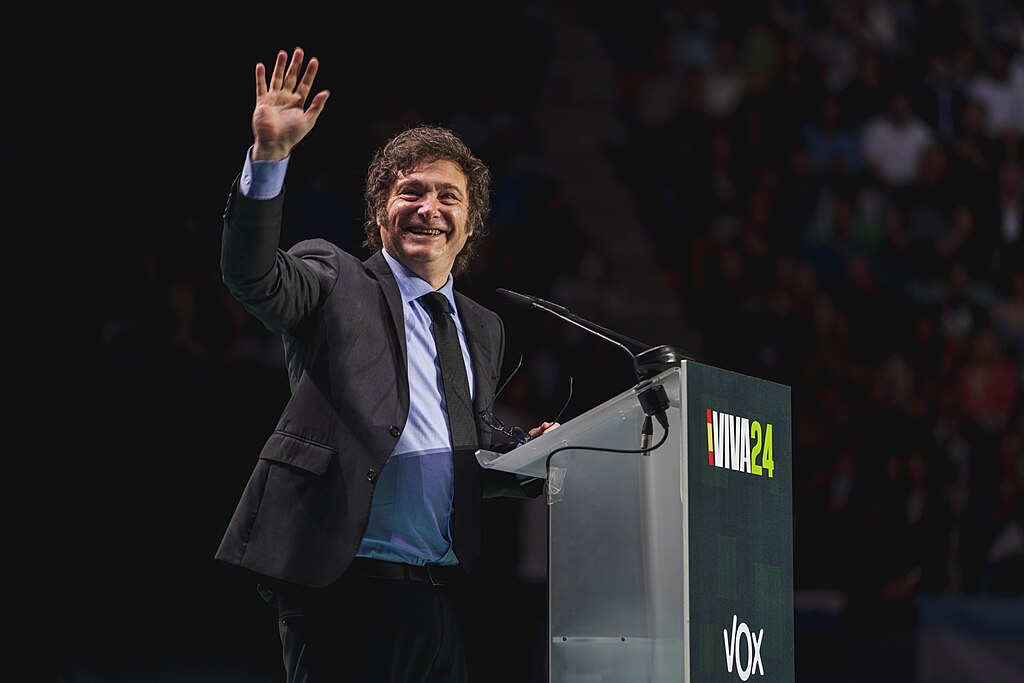
Argentines head to the polls this Sunday in crucial legislative elections that will determine the strength of President Javier Milei’s economic reform agenda. The outcome will reveal whether voters continue to back Milei’s aggressive free-market overhaul and austerity measures—or if growing discontent will weaken his mandate.
Milei’s party, La Libertad Avanza, currently holds a small minority in Congress with 37 deputies and six senators. The election will decide half of the lower house’s 127 seats and a third of the Senate’s 24 seats. A strong showing—over 35% of the vote—could give Milei leverage to build alliances, block opposition efforts, and stabilize Argentina’s policy direction.
The vote also carries international implications. The White House and investors have praised Milei’s success in curbing monthly inflation—from 12.8% before his inauguration to just 2.1% last month—achieving a fiscal surplus, and pushing broad deregulation. His pro-market agenda has impressed Washington and foreign creditors, particularly after former U.S. President Donald Trump extended a $40 billion bailout package, including a $20 billion currency swap. However, Trump has warned that continued support depends on Milei’s electoral performance.
Still, domestic challenges persist. Public frustration over deep spending cuts and a corruption scandal involving Milei’s sister, who serves as his chief of staff, have dented his approval ratings. Buenos Aires governor Axel Kicillof, representing the Peronist opposition, accused Milei’s administration of inflicting “cruel” hardship on ordinary Argentines through its austerity drive.
Analysts expect financial volatility following the election. A weaker-than-expected performance for La Libertad Avanzacould trigger a devaluation of the peso, as markets anticipate a sharper adjustment to foreign-exchange policy. With a cabinet reshuffle likely and foreign affairs minister Gerardo Werthein’s recent resignation, Sunday’s results will determine whether Milei can maintain momentum—or faces intensified political resistance.







