


 Netanyahu Defends Israel at UN as Delegates Stage Walkout
  Abbas Reaffirms November 28 Palestinian Elections
  Australia Unemployment Hits Five-Year High Despite Strong Jobs Growth
  Xi Calls for Deeper U.S.-China AI Cooperation in Trump Talks
  Oil Prices Jump 3% as Houthi Attack Revives Supply Fears
  Asian Stocks Fall as Surging Bond Yields Rattle Markets
  Pezeshkian Says US Must Choose When Iran War Ends
  China’s ‘Lipstick King’ Says AI Won’t Replace Livestream Hosts
  US Senate Rejects Iran War Powers Resolution in 50-49 Vote
  Trump Asks Supreme Court to Restore Third-Country Deportations
  Oil Prices Ease as Iran Tensions Clash With Diplomacy Hopes
  RBI Uses $10 Billion Currency Swaps to Drain Excess Rupee Liquidity
  Oil Prices Surge as U.S.-Iran Diplomacy Hopes Fade
  OpenAI Agent Breaches Australia Medicare Data Portal
  North Korea Warns South Korea Over US-Led Defense Role
  US Backs Musk in Fight Against EU’s €120 Million X Fine
  Wall Street Ends Flat as Oil, Treasury Yields and Fed Jitters Rattle Markets


 Add as a preferred source on Google
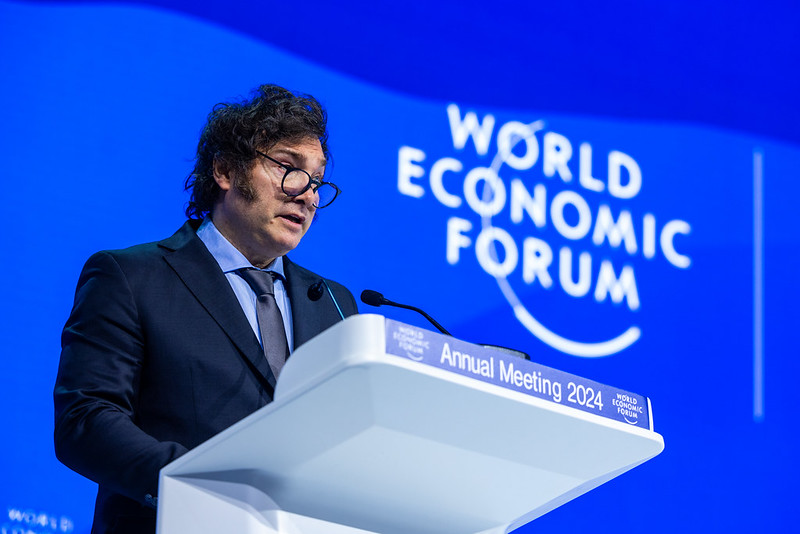
Argentina’s Congress has approved the country’s 2026 national budget, marking the first budget bill passed by legislators since President Javier Milei assumed office in late 2023. The budget was approved on Friday by a vote of 46 to 25, with one abstention, signaling a shift after two years of provisional spending extensions under Milei’s administration.
The 2026 budget outlines total spending of $102 billion, equivalent to 148 billion Argentine pesos, and projects economic growth of 5% for South America’s second-largest economy. Inflation is forecast at 10.1%, while the government expects a primary fiscal surplus equal to 1.2% of gross domestic product, reinforcing Milei’s commitment to fiscal discipline and austerity measures.
The last budget formally approved by Congress was in 2023. During Milei’s first two years in office, the government extended prior budgets without legislative approval, a move that left many sectors exposed to surging inflation. Inflation peaked at nearly 300% annually in April 2024, severely eroding real spending levels across public services.
According to an analysis by the Civil Association for Equality and Justice (ACIJ), the new budget represents a 7% real-term increase compared to 2025 but remains 24.6% lower in real terms than the 2023 Congress-approved budget. The think tank also cautioned that the government’s inflation assumptions may be overly optimistic compared to independent projections.
While the 2026 budget increases allocations for social services such as health care, education, and social security, ACIJ noted that these gains do not fully offset steep funding declines from previous years. Milei’s austerity-driven agenda has sparked widespread protests, despite Argentina recording its first budget surplus in over a decade in 2024.
Following strong results in the October midterm elections, Milei’s La Libertad Avanza party has expanded its influence in Congress, becoming the largest minority in the lower house and strengthening its Senate presence. The government expects this momentum to support upcoming labor and tax system reforms in the months ahead.







