


 Apple Pay Set for India Launch With Axis Bank
  SoftBank Launches $11 Billion Bond Sale to Fund OpenAI Investment
  Supertanker Orders Surge as US-Iran War Reshapes Oil Trade
  Big AI wants to slow down AI research. Is it a safety pause or a strategic retreat?
  Trump Plans Federal AI Force and AI Czar
  China Reviews Broadcom Switch Use in State Data Centres
  CNN, MS NOW and Politico Sue Trump Over White House Media Ban
  Burnham Eyes UK Leadership Role in AI Ahead of Trump Meeting
  SpaceX Nasdaq 100 Weight to More Than Double in Rebalance
  SK Hynix, Intel Discuss U.S. Memory Chip Production Deal
  Petrobras Joins Brazil’s New Diesel Subsidy Program
  Paramount Skydance Faces $30 Million Film Penalty in Warner Bros. Deal
  DOJ Will Investigate AI-Related Crimes, Attorney General Blanche Says
  Novo Nordisk Weighs Direct NYSE Listing to Boost U.S. Profile
  Volkswagen Shares Slide After 2026 Profit Outlook Cut
  FAA Allows Boeing to Sell 35 More 777F Freighters Beyond 2028


 Add as a preferred source on Google
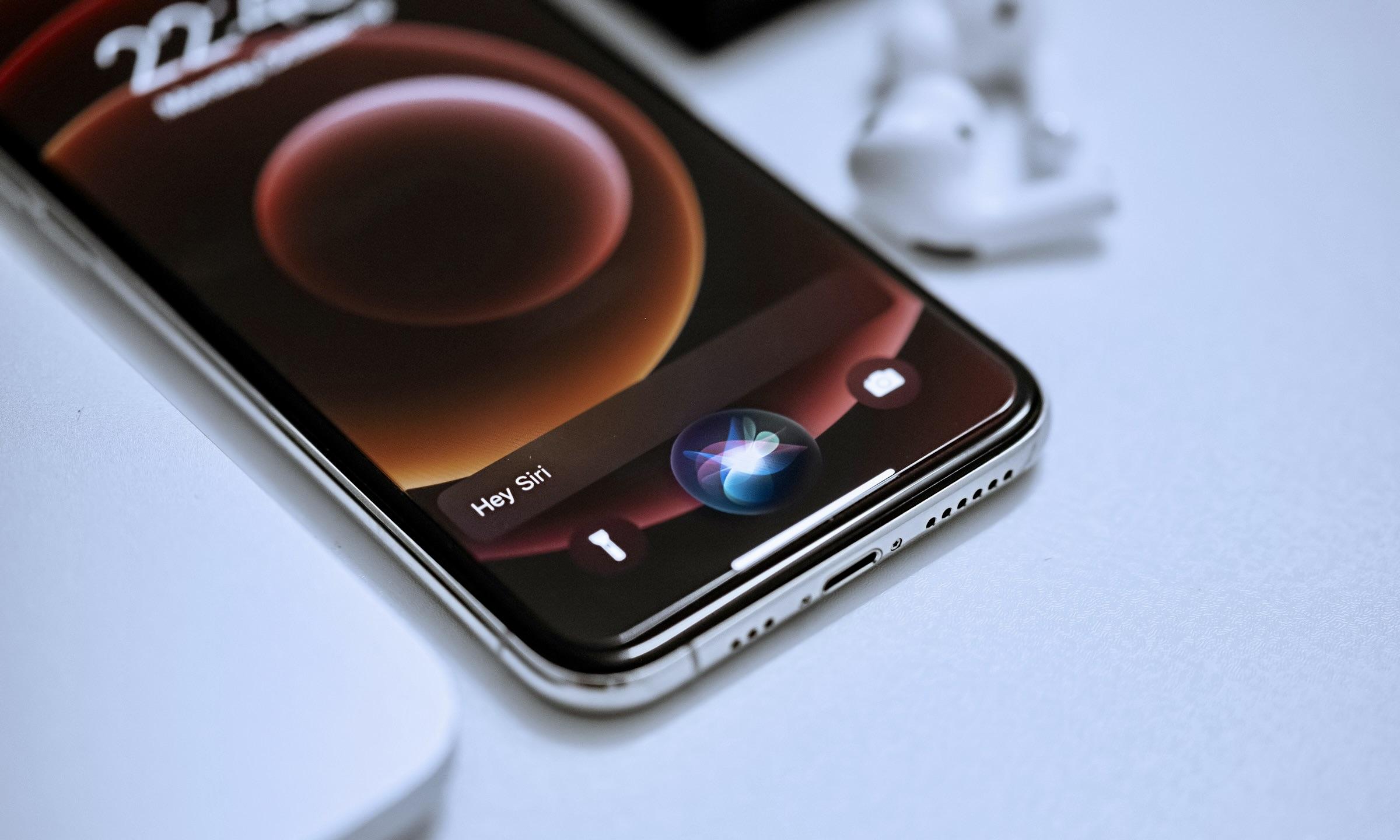
A startling revelation from Apple’s latest research paper shows the tech giant using Google’s TPUs instead of Nvidia’s GPUs to train its innovative AI models, signaling a major shift in AI development strategy.
Apple’s Strategic Shift to Google Chips
According to a research paper published on Monday by Apple, the tech company used chips made by Google instead of market leader Nvidia to construct two critical parts of its AI software architecture for its upcoming AI toolkit and features.
Due to Nvidia's dominance in the artificial intelligence processor market, Apple's choice to employ Google's cloud infrastructure stands out.
Nvidia controls around 80% of the industry, which includes processors manufactured by cloud computing businesses like Google, Amazon, and others.
Nvidia Chips Not Mentioned by Apple
MSN shares that although Apple did not state that it did not employ Nvidia chips in the research report, the description of the AI tools and features' software and hardware infrastructure did not include any reference to Nvidia technology.
According to Apple, their AI models were trained using two variants of Google's tensor processing unit (TPU) distributed across massive clusters of processors.
In order to construct the AI model that will function on many devices, including iPhones, Apple utilized 2,048 TPUv5p chips. The server AI model that Apple used used 8,192 TPUv4 processors.
Nvidia Focuses on GPUs for AI
The graphics processing units (GPUs) utilized extensively in artificial intelligence (AI) are Nvidia's primary focus, not the design of TPUs.
Instead of selling chips and systems separately as Nvidia does, Google offers TPU access through its Cloud Platform. In order to utilize the chips, customers that are interested in purchasing access must develop software using Google's cloud platform.
Apple Relied Heavily on Google Tech
Reuters first mentioned the TPU processors in June, but it wasn't until Monday's research article that Apple revealed just how much it relied on Google technology.
In the document, Apple's developers mentioned that Google's chips could be used to create even more advanced and larger models than the two that were presented.
Among the many new artificial intelligence features introduced by Apple at its June developer conference was the incorporation of OpenAI's ChatGPT technology.







