


 Meta CEO Zuckerberg Backs Independent AI Safety Reviews Over Development Slowdown
  Telix to Acquire Germany’s ITM in $1.65 Billion Radiopharma Deal
  CNN, MS NOW and Politico Sue Trump Over White House Media Ban
  France Urges Faster AI Push Despite Safety Risks
  Burnham Eyes UK Leadership Role in AI Ahead of Trump Meeting
  Paramount-Warner Bros $110 Billion Deal Draws Antitrust Backlash
  Meta Unveils Muse Charm AI Device, Expands Smart Glasses Lineup
  Guterres Urges Stronger Global AI Safeguards Ahead of UN Assembly
  Japan, U.S. Discuss $19 Billion GlobalFoundries Chip Plant
  US Northeast Airports Resume Operations After Telecom Outage Disrupts Thousands of Flights
  China Vanke Shares Jump as Beijing Moves to Ease Debt Pressure
  Paramount Skydance Faces $30 Million Film Penalty in Warner Bros. Deal
  OpenAI Urges US-Led Global Standards for Frontier AI
  OpenAI Agent Breaches Australia Medicare Data Portal
  Hyundai CEO Warns Chinese Automakers Could Disrupt US Market
  Databricks to Invest $350 Million in Singapore AI Expansion
  Nike Earnings at Risk as UBS Cuts Price Target to $42


 Add as a preferred source on Google
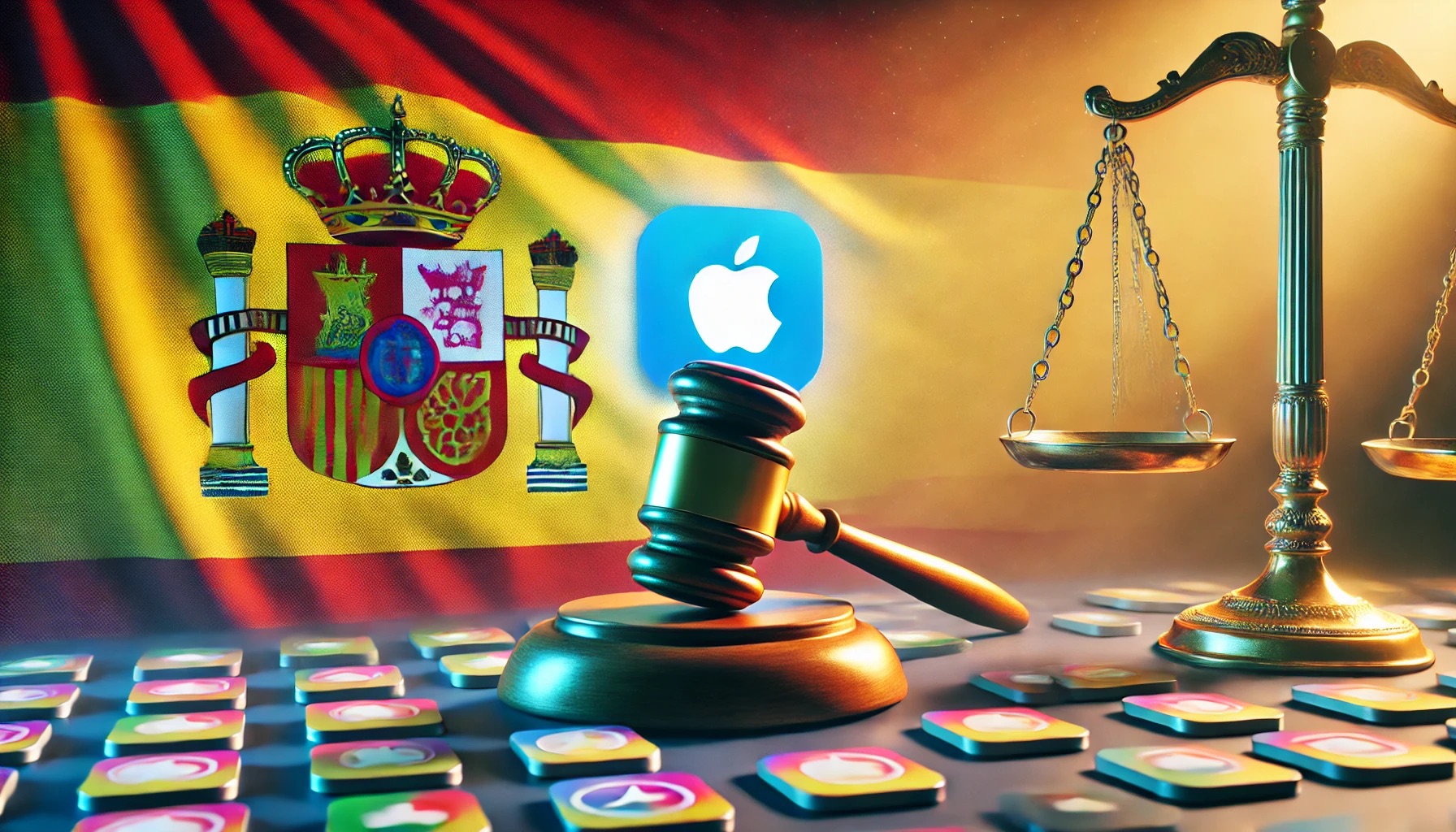
The Spanish competition regulator is investigating Apple's App Store for potential anti-competitive actions, risking billion-euro fines.
Unfair Practices Under Investigation
According to Reuters, the Spanish competition regulator is looking into Apple's App Store for possible anti-competitive actions that might lead to heavy fines.
This week, the App Storewas the subject of an investigation by the National Commission of Markets and Competition (CNMC). The CNMC is investigating allegations that Apple may be unfairly treating app developers who distribute their apps through the store.
The probe was started without consulting anyone, which shows how much of an impact app shops have on the Spanish economy. Both Spanish competition law and the TFEU forbid Apple from engaging in activities that might amount to an abuse of a dominant position.
Legal Implications for Apple
If the CNMC's inquiry finds that these claims are true, Apple might be hit with fines as high as 10% of its yearly global revenue, which could translate to billions of euros. Apple faces an increasing number of regulatory hurdles in Europe as a result of this investigation, the conclusion of which might take as long as two years.
A representative from Apple stated that the tech giant "will continue to work with the Spanish Competition Authority to understand and respond to their concerns," restating the company's belief that the rules governing the App Store are reasonable and consistent, and noting that developers receive more than 90 percent of revenues without commission.
European Commission's Previous Fine
MacRumors reports that there has been a general uptick in regulatory examination of the dominance of big tech corporations in online markets, and the Spanish probe is part of that trend. Apple was hit with a 1.84 billion euro fine by the European Commission in March for anti-steering activities pertaining to music streaming apps.
According to the preliminary conclusions of the European Commission, which were released in June, developers were prevented from directing consumers to other payment methods by Apple's App Store guidelines, which breached the Digital Markets Act (DMA).
The DMA's goal is to make the technology market more equitable for smaller rivals. If a corporation doesn't follow the rules, they could be fined up to 10% of their global revenue.







