


 FDA Lifts REMS Requirement for CAR-T Cell Cancer Therapies
  Eli Lilly’s Inluriyo Gains FDA Approval for Advanced Breast Cancer Treatment
  Blue Origin’s New Glenn Achieves Breakthrough Success With First NASA Mission
  CDC Vaccine Review Sparks Controversy Over Thimerosal Study Citation
  Tabletop particle accelerator could transform medicine and materials science
  Jared Isaacman Confirmed as NASA Administrator, Becomes 15th Leader of U.S. Space Agency
  Astronomers have discovered another puzzling interstellar object − this third one is big, bright and fast
  Cogent Biosciences Soars 120% on Breakthrough Phase 3 Results for Bezuclastinib in GIST Treatment
  SpaceX Prioritizes Moon Mission Before Mars as Starship Development Accelerates
  SpaceX Starship Test Flight Reaches New Heights but Ends in Setback
  SpaceX’s Starship Completes 11th Test Flight, Paving Way for Moon and Mars Missions
  Trump Signs Executive Order to Boost AI Research in Childhood Cancer
  Lost in space: MethaneSat failed just as NZ was to take over mission control – here’s what we need to know now
  Trump and Merck KGaA Partner to Slash IVF Drug Costs and Expand Fertility Coverage


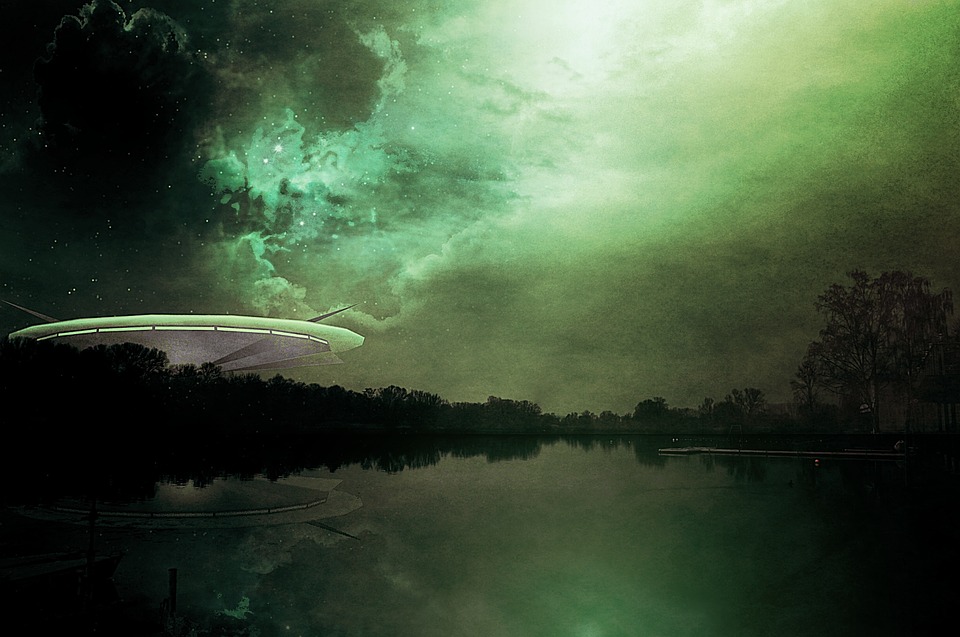
Space agencies are continuously studying the entities that are beyond the Earth, including one of the biggest mysteries in space. A new report reveals that distant exoplanets may have sources of water.
One of the biggest mysteries when it comes to exploring space or celestial entities is if there is life outside Earth. Express reports that there may just be life outside Earth due to the fact that some exoplanets may contain water sources. Scientists analyzed the data of 19 exoplanets in the cosmos, studying the thermal and chemical compositions of each one. These exoplanets were of differing sizes, ranging from 10 times to 600 times the size of the Earth, also referred to as “Super Jupiters.”
The researchers found that the common factor all these exoplanets shared was water, however, the quantity of water in the planets were also limited. Cambridge Institute of Astronomy’s Dr. Nikku Madhusudhan stated that they have discovered the “first signs of chemical patterns in extra-terrestrial worlds.”
Dr. Madhusudhan and his team studied the biosignatures of these exoplanets to check the water vapor in each of their atmospheres. They found that out of the 19 exoplanets, 14 of them had water vapor, and six planets have a lot of potassium and sodium. But the factor that the researchers have noticed was the amount of oxygen - the exoplanets lacked oxygen compared to the other elements.
So the question remains on whether or not we will be able to find life beyond Earth as soon as next year. Space reports that experts do not think so. Interviewing experts from the Search for Extraterrestrial Intelligence Institute, senior astronomer Seth Shostak said that finding aliens next year in 2020 will be unlikely to happen. Shostak went on to explain that looking for extraterrestrial beings is mostly done through checking nearby star systems for flashes of light or other indicators of extraterrestrial beings.
However, Shostak also said to the outlet that this could be successful at any time. Thus, there is no telling when we can be able to discover other beings beyond Earth. It may or may not happen, or it could happen in the coming decades, the latter being higher in probability.













