


 Sudan Rejects US Legitimacy Remarks, Defends Sovereignty
  US Invites Putin to Miami G20, Opening Door to Trump Summit
  Trump Administration Plans Faster FDA Reviews for Smoke-Free Nicotine Products
  Kremlin Says No Grounds Yet for Ukraine Peace Talks
  Gaza Faces Evacuation Crisis as War-Damaged Buildings Risk Collapse
  Netanyahu Takes Aim at Mamdani as Israel Election Nears
  Ghana Says Western Support Growing for Slave Trade Reparations
  Taiwan Thanks US for Support Ahead of Trump-Xi Summit
  US Officials Split Over Response to Israeli West Bank Settlements
  Lula and Flavio Bolsonaro Tied in Brazil Runoff Poll
  Trump Meets Venezuela’s Delcy Rodriguez at UN Assembly
  Judge Orders Trump to Restore White House Access for CNN, MS NOW and Politico
  Russian Strikes Kill Eight Across Ukraine as Energy Sites Hit
  China Tightens Fentanyl Rules Ahead of Trump-Xi Summit
  Trump to Press Xi on Release of US Nuclear Expert Held in China
  Venezuela Promises Elections as Delcy Rodriguez Pledges Democratic Transition
  Europe Warns Russia Is Escalating Hybrid Attacks Across NATO


 Add as a preferred source on Google
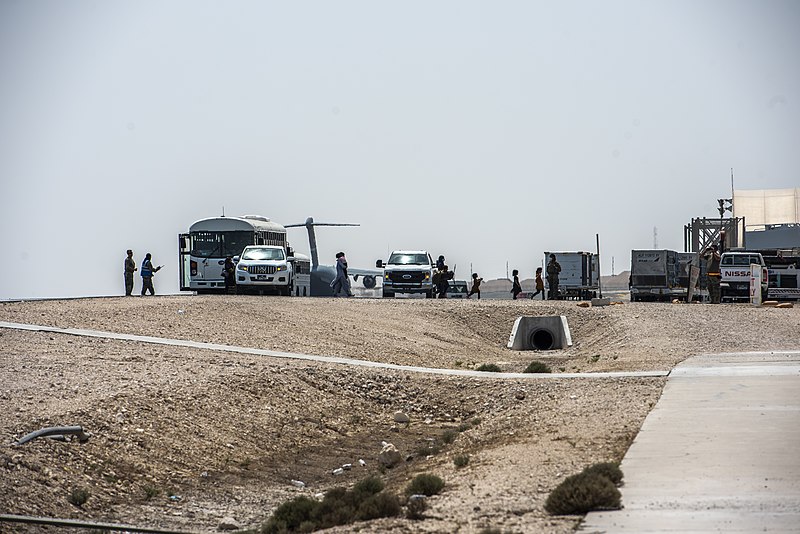
The US is looking into the details that played a part in what was an initially chaotic evacuation of US military personnel, Afghans, and allies from Afghanistan as the Taliban took control. In the midst of the hearing for Secretary of State Antony Blinken, Democratic Rep. Ted Lieu called out the role disgraced former President Donald Trump played in the withdrawal efforts.
Rep. Lieu, who is an air force colonel that serves in the reserves, reminded his Republican colleagues of the role the former president played in making the evacuation efforts in Afghanistan much worse than it seemed. During the hearing, Lieu cited the document from Trump and Blinken’s predecessor Mike Pompeo dated Feb 29, 2020, that committed the withdrawal by the US from Afghanistan.
The California Congressman noted that the first page of the document stated the US’s commitment to removing all military personnel including non-diplomatic civilian personnel, “private security, contractors, advisers, and supporting services within 14 months following announcement of this agreement. That is a very specific timeline,” said Lieu in which Blinken agreed. Lieu also specified the details in the agreement, including withdrawing troops from five military bases, which Blinken also confirmed.
“When you read this document, let’s be clear, this is a surrender document. Donald Trump surrendered to the Taliban. He said, we are leaving Afghanistan, we are not coming back, and we will not fight you anymore. Now, our Republican colleagues want to say it is conditions-based. Did you notice earlier that they didn’t want you to talk about the conditions? Because the main condition is that the Taliban was going to stop attacking US forces,” added Lieu, who cited the number of soldiers that died in Afghanistan during Trump’s one-term presidency.
Lieu went on to note that the insurgent group did not attack the US soldiers because of the said agreement, and added that had the Biden administration walked back on the agreement and chose to remain in Afghanistan, the insurgent group would attack US troops again.
Previously, the Taliban announced last week the names of officials who will take key positions in the new government of the war-torn country. The insurgent group announced that UN-sanctioned member Mullah Mohammad Hassan Akhund as the leader of the new government. Taliban co-founder Abdul Ghani Baradar would be serving as Akhund’s deputy.







