


 Bessent Defends US Yen Intervention Over Treasury Market Risks
  Mojtaba Khamenei’s Absence Fuels Iran Leadership Doubts
  South Korea Leveraged Chip ETF Trading Plunges After New Rules
  Tennessee Plans to Rename Nashville Airport After Dolly Parton
  Iran Condemns New US Sanctions as Hormuz Standoff Deepens
  King Haakon VIII Honors Late Father Harald in First Address
  Nepal Declines Foreign Rescue Aid After Deadly Flash Flood
  Iran Weighs Conditions to Reopen Strait of Hormuz
  ICE Awards $16.7M Contract for Electric Shock Gloves
  South Korea, Japan and US Plan Joint Military Drills
  Ecuador Court Convicts Ex-President Lenin Moreno in Bribery Case
  Pentagon Eyes 100-Year Lease on Venezuela Oil Fields
  Flavio Bolsonaro Pledges to Respect Brazil Election Result
  Iran’s Khamenei Urges Muslim, Gulf Unity Against ‘Real Enemy’
  North Korea Vows to Strengthen Nuclear Arsenal Amid U.S. Tensions
  Bessent Says Yen Moves Contained as BOJ Rate Decision Looms


 Add as a preferred source on Google
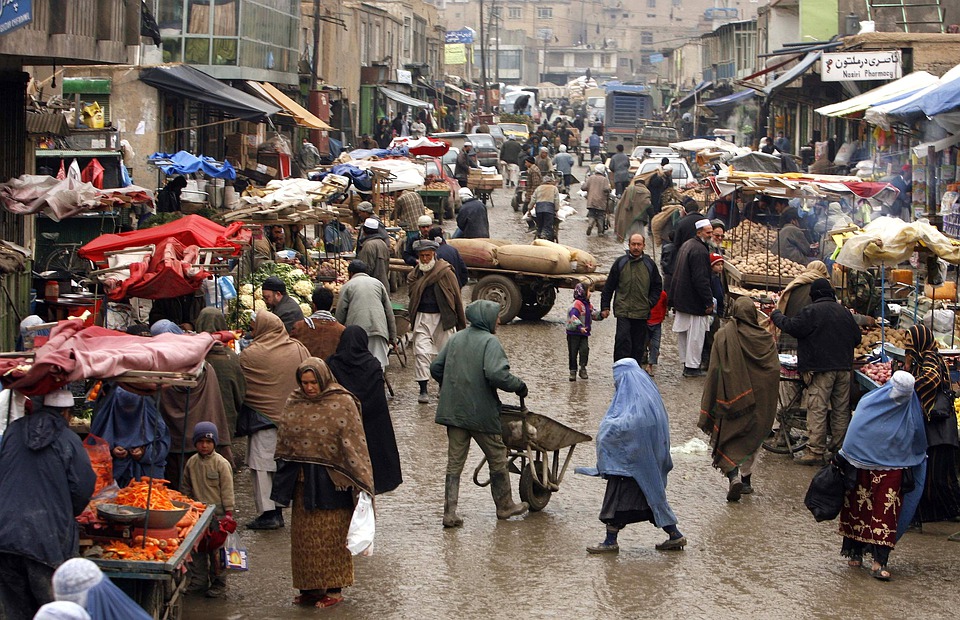
Afghanistan’s acting Commerce and Industry Minister said the insurgent group has signed a provisional deal with Russia to supply gas, diesel, and wheat. This comes as the ministry is looking to diversify its trading partners.
The acting Afghan Commerce and Industry minister Haji Nooruddin Azizi told Reuters Tuesday that the Taliban signed a provisional deal with Russia in an effort to diversify its trading partners.
In the deal, Russia would supply Afghanistan with gasoline, gas, diesel, and wheat. Moscow also offered the Taliban government a discount on the average global commodity prices.
Azizi said that under the deal, Russia would supply Afghanistan with around one million tons of gasoline, one million tons of diesel, 500,000 tons of liquefied petroleum gas, and two million tons of wheat per year.
This marks the first major economic deal the insurgent group has made since taking control of Afghanistan last year. The deal could also help ease Afghanistan’s “isolation” from the global banking system due to the sanctions imposed on some of the insurgent group’s members and frozen overseas assets.
The West said that for the insurgent group to be recognized internationally, it must change its policies on women’s rights and prove that it has severed ties with other militant groups. While
Russia does not also recognize the Taliban’s government, Moscow hosted Taliban leaders during the time leading up to the fall of the Western-backed government in Kabul last year, and the Russian embassy is one of the very few that are still running in Afghanistan.
Meanwhile, a senior member of the Taliban has called on its leaders to reopen schools for girls, saying that there is no valid reason in Islam for the ban. The Taliban deputy foreign affairs minister Sher Mohammad Abbas Stanikzai made the comments during a Taliban gathering in the capital Kabul.
“It is very important that education must be provided to all, without any discrimination,” said Stanikzai. “Women must get an education. There is no Islamic prohibition for girls’ education.”
“Let’s not provide opportunities for others to create a gap between the government and people,” Stanikzai added. “If there are technical issues, that needs to be resolved and schools for girls must be reopened.”







