


 PDG Explores $1 Billion Sale of China Data Center Assets
  GameStop Raises eBay Stake to 6.6% as Ryan Cohen Pushes $56 Billion Takeover Bid
  Lam Research Expands AI-Powered Semiconductor Tools and Arizona Operations
  OpenAI Eyes IPO Filing as Early as This Week Amid Rising AI Competition
  SpaceX Eyes AI Computing Expansion Ahead of Historic IPO
  Nvidia Beats Earnings Expectations as AI Demand Drives Record Growth
  Japan Airlines Signs 10-Year Boeing 787 Maintenance Deal With GE Aerospace
  Texas Sues Meta Over WhatsApp Encryption Claims
  Samsung Faces Major Strike Threat as Union Restarts Pay Talks
  China vs U.S. AI Race Shifts Toward Robotics and Manufacturing Power in 2026
  Tencent Shares Jump 4% as AI Models Move Toward Paid Commercial Services
  Google Expands AI Partnership With Singapore Government
  Takeda Hit With $885M Verdict Over Amitiza Generic Drug Delay Scheme
  SpaceX Delays Starship V3 Launch Ahead of Potential Record IPO
  Blackstone and Google Launch AI Cloud Venture, Pressuring CoreWeave and Nebius Shares
  Anthropic Revenue Surge Signals Strong AI Market Momentum in 2026


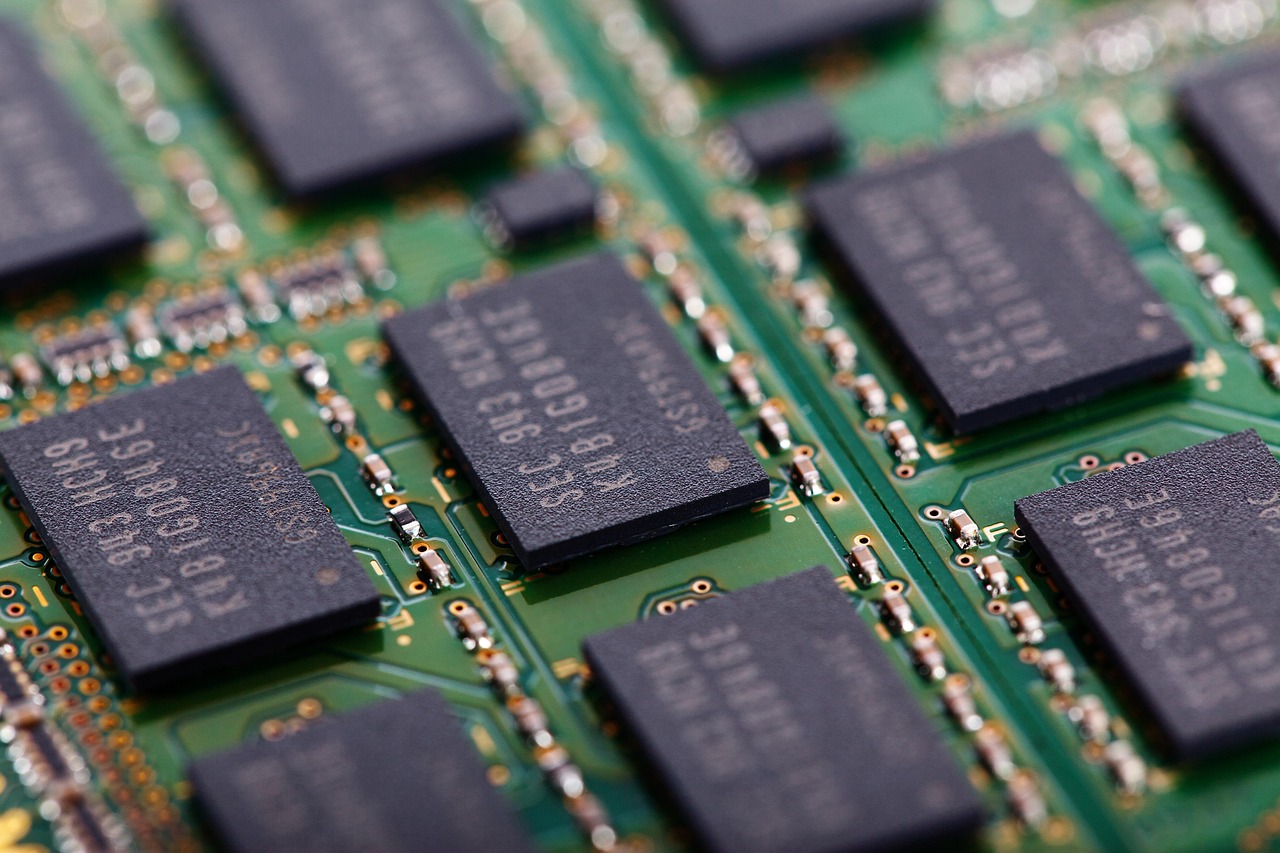
ASML has become Europe’s most valuable company by dominating one of the most critical technologies in modern chipmaking: extreme ultraviolet (EUV) lithography. These massive semiconductor lithography machines, often described as “chip printers,” cost up to $250 million each and are essential for producing the world’s most advanced chips used in artificial intelligence, high-performance computing, and data centers.
The surge in demand for ASML’s EUV systems is being driven by rapid advances in AI and the global expansion of data center infrastructure. Leading semiconductor manufacturers such as TSMC, Samsung, Intel, SK Hynix, Micron, and Rapidus rely on ASML’s technology to manufacture cutting-edge AI chips, including those designed for Nvidia. ASML currently holds a monopoly on EUV lithography machines, giving it a unique and powerful position in the global semiconductor supply chain, even as competitors in the U.S. and China attempt to develop alternatives.
ASML’s EUV machines are engineering marvels. Each system is roughly the size of a school bus and weighs around 150 tons, yet it operates at the nanometer scale. The machines project intricate circuit patterns onto silicon wafers using EUV light with a wavelength of just 13 nanometers. To put that into perspective, a single human hair is about 80,000 to 100,000 nanometers thick. This extreme precision enables higher chip performance, better energy efficiency, and greater scalability—key requirements for advanced AI processors.
Producing EUV light is one of the most complex processes in modern manufacturing. Tiny droplets of molten tin are fired 50,000 times per second and hit with some of the most powerful industrial lasers ever built, supplied by Germany’s Trumpf. The resulting light is directed by ultra-smooth mirrors from Zeiss, kept in a vacuum and polished to standards exceeding those of space telescopes. Meanwhile, the wafer stage levitates on magnetic fields and moves at speeds of up to 80 meters per second with astonishing accuracy.
Once assembled in the Netherlands, each EUV system is shipped in about 40 containers and flown by cargo aircraft to chipmaking facilities worldwide. In 2024 alone, ASML delivered 44 EUV machines, with analysts forecasting significantly higher shipments in 2026 and 2027 as global demand for AI chips continues to rise.







