


 Asian Stocks Mixed Ahead of Trump-Xi Meeting
  Gold Prices Rise as Oil Slump Eases Fed Rate Hike Fears
  Canada Unveils Bill to Fast-Track Major Resource Projects
  Yen in Focus as BOJ, Fed Rate Hikes Reshape Currency Markets
  Europe Jet Fuel Deficit Drives South Korean Imports to Four-Year High
  Oil Prices Extend Losses as U.S.-Iran Talks Ease Supply Fears
  S&P 500 Historically Rallies After Midterm Elections, UBS Says
  RBA Says ASX Still Falls Short on Governance and Risk Controls
  Yen Weakens as Dollar Gains on Widening US-Japan Rate Gap
  Oil Prices Rise as U.S.-Iran Talks Fuel Diplomacy Hopes
  Asia Stocks Rise on AI Demand as Oil Eases
  Asian Currencies Muted as Dollar Firms Ahead of Trump-Xi Summit
  France Debt-to-GDP Ratio Seen Hitting Record 119.3% in 2026
  Gold Prices Slip as Strong Dollar and Hawkish Fed Pressure Bullion
  Vietnam Stocks Join FTSE Emerging Market Indexes, Unlocking Billions in Foreign Investment


 Add as a preferred source on Google
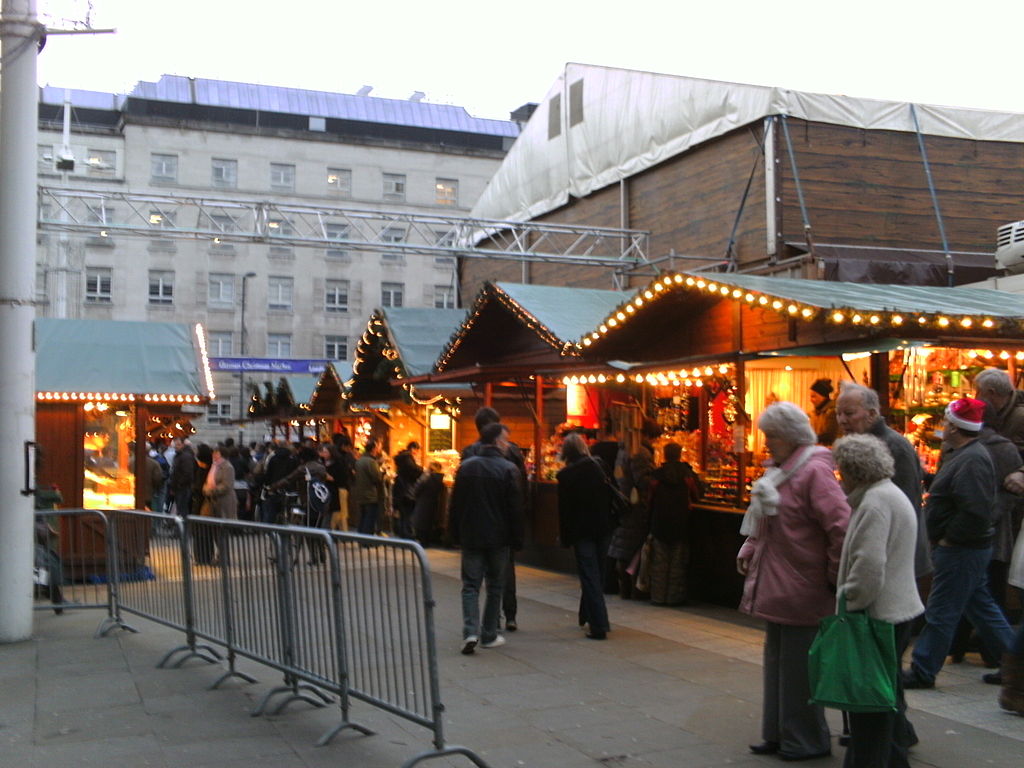
Germany’s iconic Christmas markets, celebrated for their warm charm and festive traditions, are facing an unprecedented challenge this holiday season: skyrocketing costs. In cities like Berlin, the cherished Glühwein (mulled wine) has reached an all-time high of €5 per mug, up from €3.25 pre-pandemic. Visitors, once enticed by the markets' affordable treats, now tread cautiously, evaluating every purchase against inflated prices driven by rising energy costs and labor shortages.
Event organizers have adopted innovative solutions to sustain visitor enthusiasm. Among the standout strategies is the all-inclusive Christmas market concept. Spearheaded by FARO Group at Berlin's Spree, this initiative offers unlimited food and drink options for a fixed price starting at €29.90 for off-peak hours, escalating to €45.90 during peak times. The result? An overwhelming demand, with over 1,000 tickets sold daily, reflecting a fundamental shift in how people experience these festive events.
Traditional markets, such as those at the Memorial Church and Potsdamer Platz, have also adapted, combining culinary offerings with unique attractions like ice skating, tobogganing, and even themed markets catering to pets. Such adaptations not only help maintain footfall but also reinforce Berlin’s position as the epicenter of Germany’s Christmas festivities, hosting over 60 markets annually.
However, not all changes have been embraced universally. Critics argue that escalating prices risk alienating locals, turning these markets into luxury experiences rather than inclusive community gatherings. Vendors remain cautiously optimistic, with many noting that the holiday spirit still drives both tourists and residents to partake in festive indulgences, albeit more selectively than before.
This year’s Christmas season highlights both the enduring appeal of Germany’s holiday traditions and the evolving strategies needed to preserve them in challenging economic times.







